Textile & Fabric-Roll Warehouse Automation Solutions
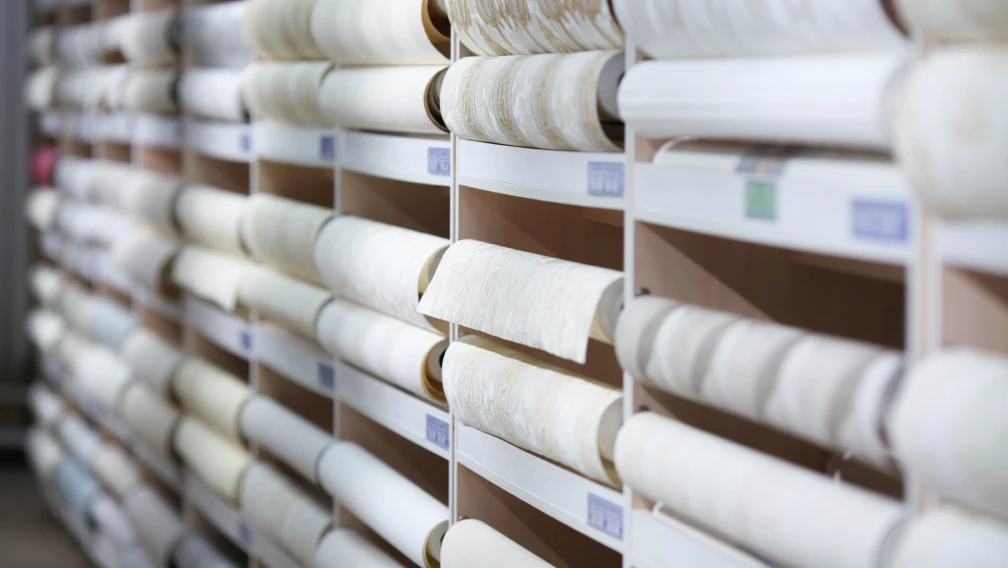
Fabric rolls are one of the hardest load types to store well. A single roll can run over 1.6 meters wide, weigh 30 to 80 kilograms, and take a permanent set if it rests on a hard edge for too long. Multiply that across thousands of dye lots, colorways, and widths, and a textile warehouse turns into a place where staff spend more time finding and lifting rolls than adding any value. The cutting room waits on material. Older rolls sit buried behind newer ones and age out. Every buried roll is capital standing still.
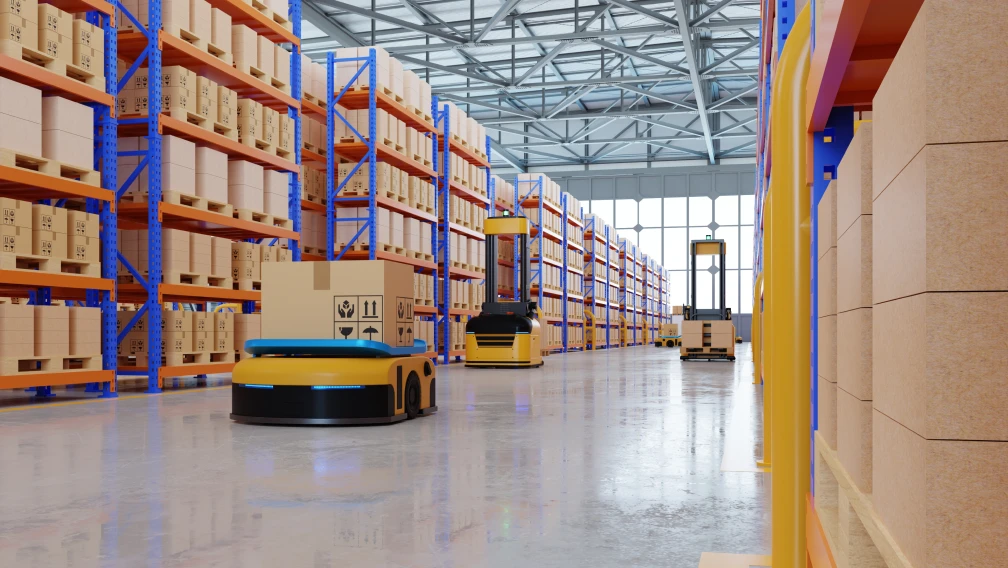
HOWEPROFIT builds warehouse automation for textile mills, fabric converters, home-textile makers, and curtain and upholstery manufacturers. Our systems store rolls at high density, retrieve the exact dye lot a cutting order calls for, and feed spreading and cutting lines on schedule — with each roll handled gently enough to reach the table without creases or edge damage.
Why Fabric-Roll Storage Breaks a Manual Warehouse
Textile storage has a few properties that ordinary racking and forklift workflows handle badly:
• Weight and bulk. Rolls are heavy and awkward. Manual lifting is slow and a well-documented cause of back and shoulder injury, and every extra touch risks flattening or scuffing the goods.
• Deformation. Fabric held on a hard bar or stacked flat under load creases, develops flat spots, and crushes at the edges — defects that surface later at the cutting table.
• Dye-lot and shade control. Two rolls of the same fabric from different lots rarely match. Pull the wrong lot into a cut order and the finished panels shade off. Manual systems lose track of lot boundaries quickly.
• FIFO failure. Natural and blended fabrics age — grey goods yellow, elastane relaxes, coatings cure. Without enforced FIFO, old rolls stay at the back and get written off. Poorly run stores lose an estimated 8 to 12 percent of roll inventory this way.
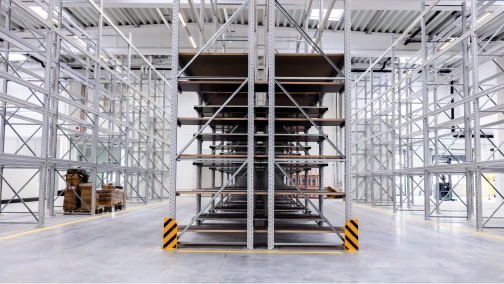
• Wasted vertical space. Cantilever and A-frame roll racks are wide and shallow. They consume floor area and rarely climb past a few meters, leaving the air above them empty.
• Cutting-room starvation. When rolls are hard to locate, the cutting room runs dry and waits — the most expensive queue in the building.
Standard pallet ASRS does not solve this on its own, because a fabric roll is not a pallet.
Why Roll Handling Is Not Pallet Handling
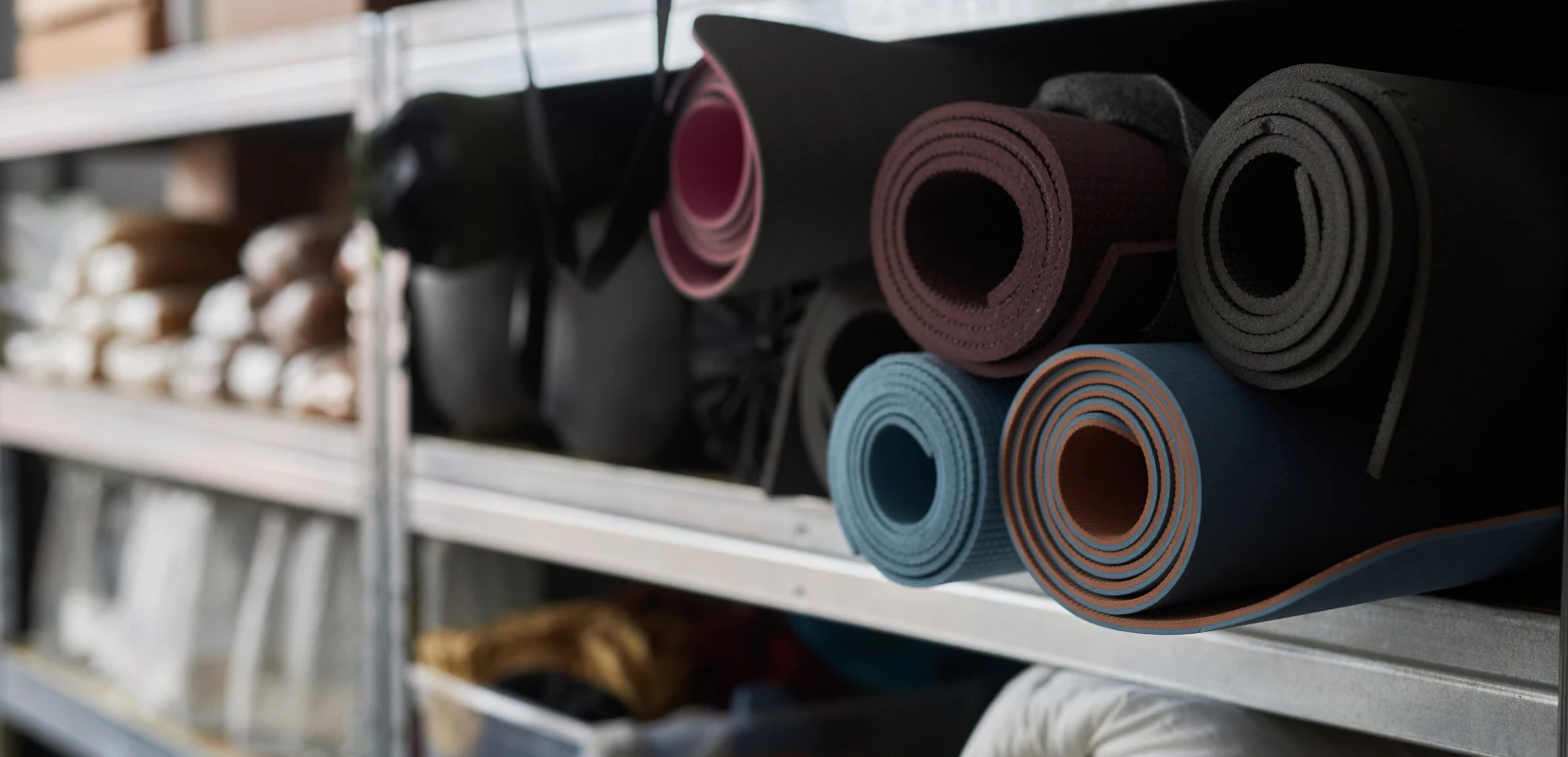
This is the part most storage vendors skip. A telescopic pallet fork grabs a pallet from underneath. A fabric roll has no pallet, no fixed footprint, and a round profile that will roll away if you set it down wrong. Automating roll storage takes purpose-built handling:
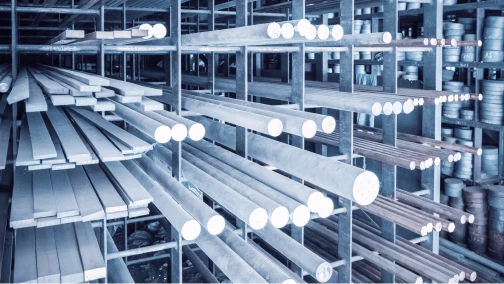
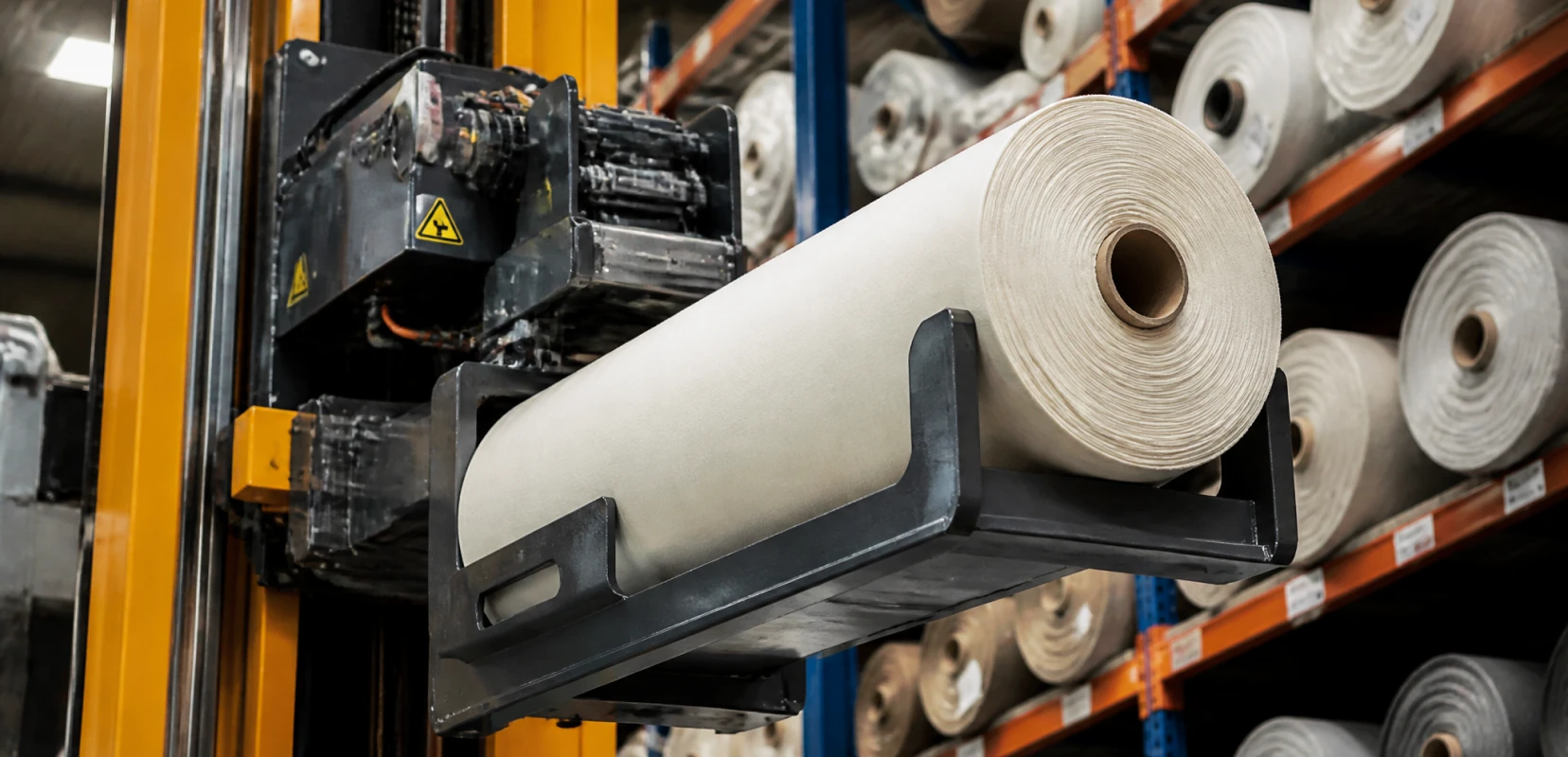
• Direct roll forks or cradles. Instead of pallet forks, the stacker crane or shuttle carries a fork or cradle shaped to cup the roll, or a mandrel that engages the core. The roll is supported along its length, not pinched at two points.
• Storage without pallets. Rolls go straight into slot or channel locations sized to their diameter and width. Removing the pallet is what makes high-density roll storage possible.
• Single- or multi-roll moves. Depending on roll size, one cycle can carry a single heavy roll or several light rolls at once, which lifts throughput on trim-weight fabrics.
• Diameter and width tolerance. Rolls of the same SKU shrink in diameter as they are consumed and rewound. Location sizing and gripper design have to absorb that range.
Put plainly: an automated fabric-roll warehouse stores each roll in its own indexed location and uses a roll-specific device — a shaped fork, cradle, or core mandrel on a stacker crane or shuttle — to put rolls away and retrieve them under software control, with no manual lifting and no pallet.
The HOWEPROFIT Fabric-Roll Automation Stack
We match equipment to roll size, throughput, and the mix of raw goods, finished rolls, and trims. A typical textile deployment combines:
| Need | HOWEPROFIT System |
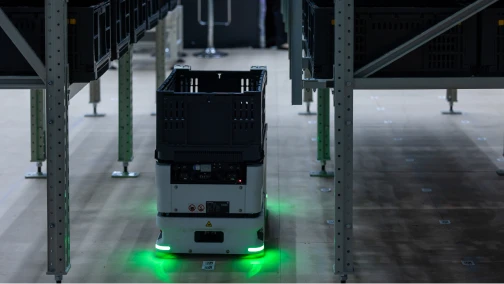
| Dense storage of standard rolls, one lot per location | One-Bin-Per-Slot Robot, Miniload |
| Heavy or large-diameter rolls, buffered raw material | Heavy-Duty Bin / Unit-Load ASRS |
| Oversized or extra-wide rolls (curtain, upholstery, technical) | Gantry AS/RS |
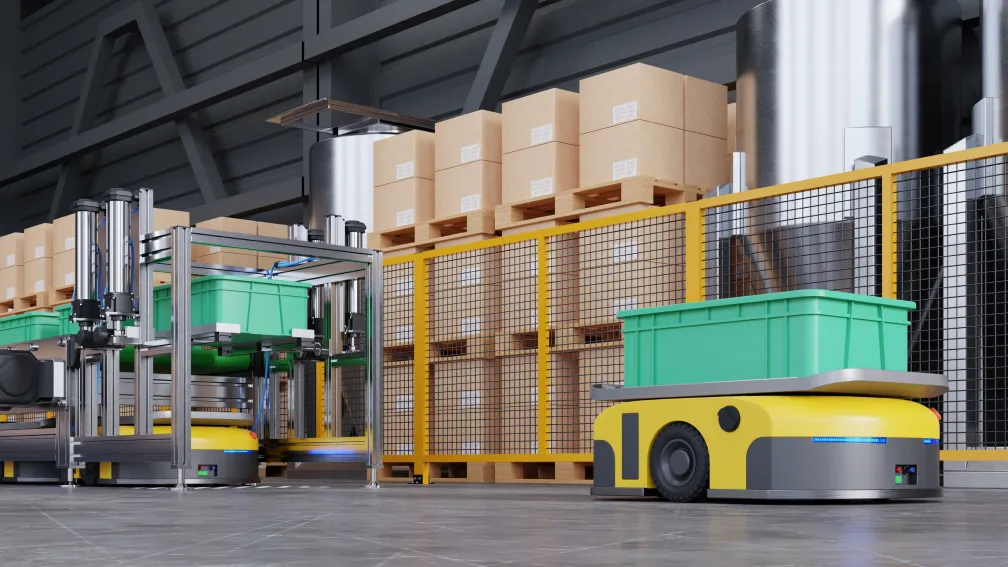
| Trims, cut pieces, labels, samples (goods-to-person) | High-Speed Bin Robot |
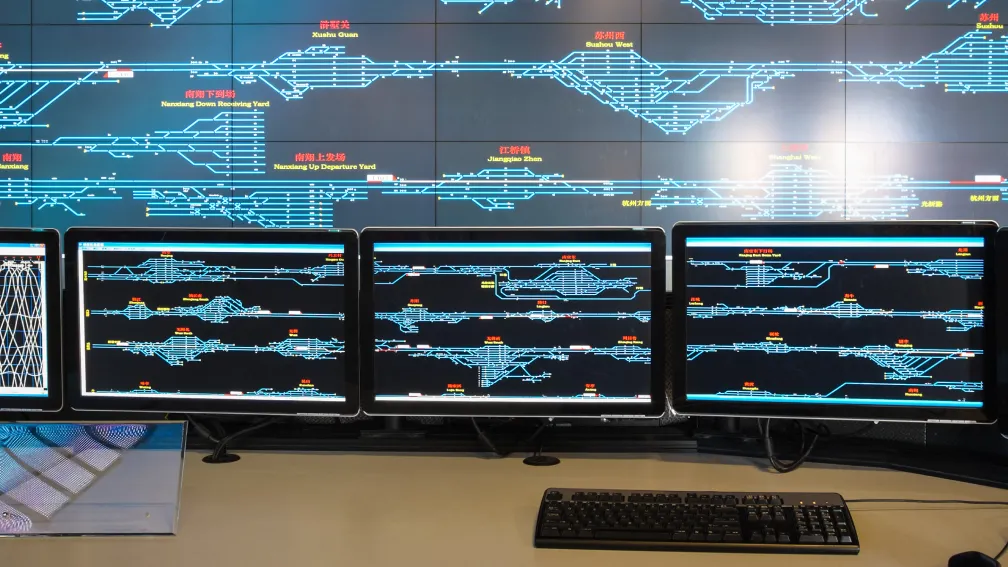
| Dye-lot FIFO, cutting-order release, ERP sync | WMS + RCS |
One-Fabric-Per-Bin Roll Storage
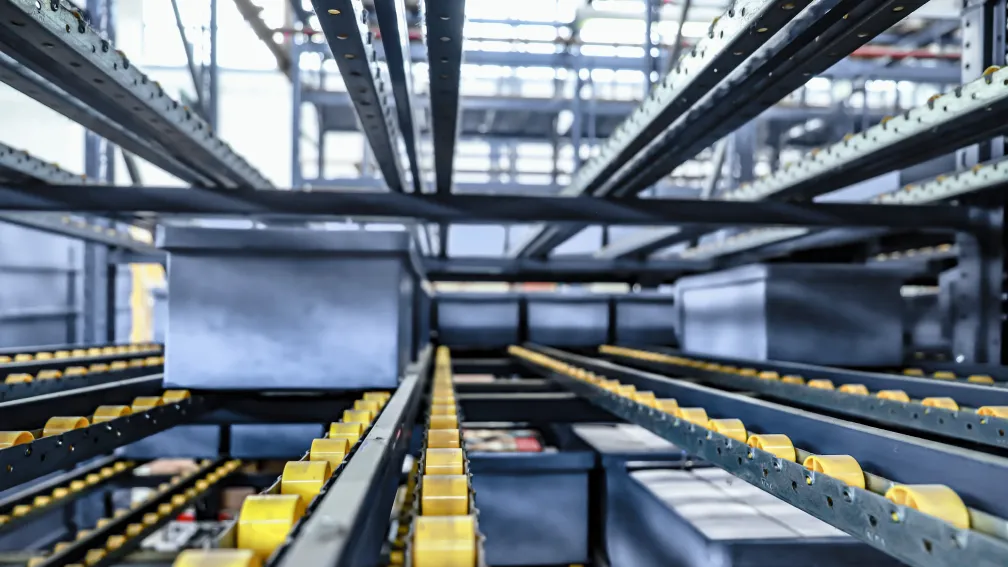
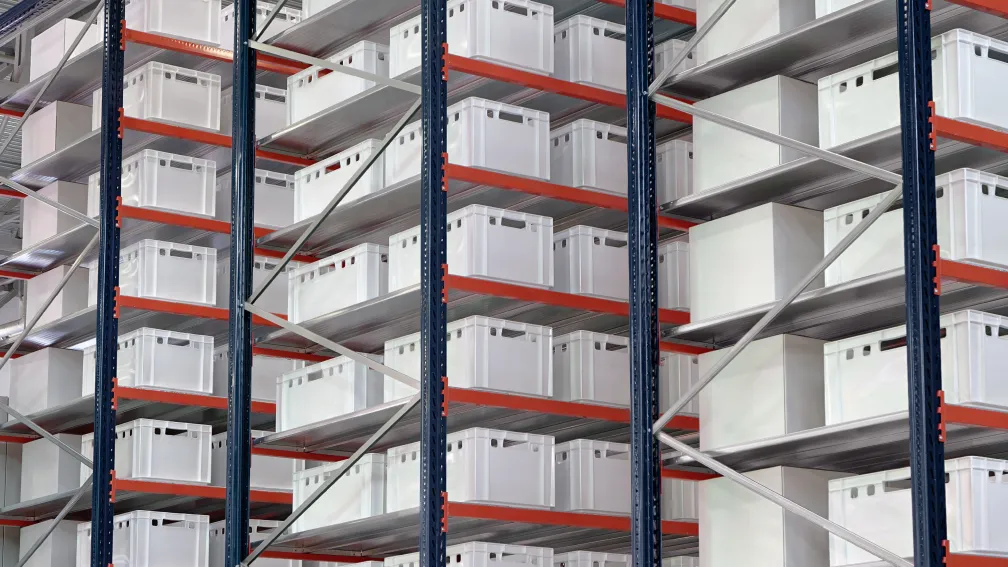
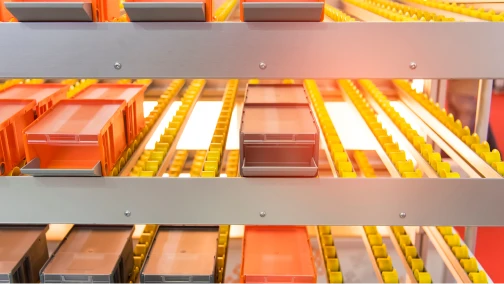
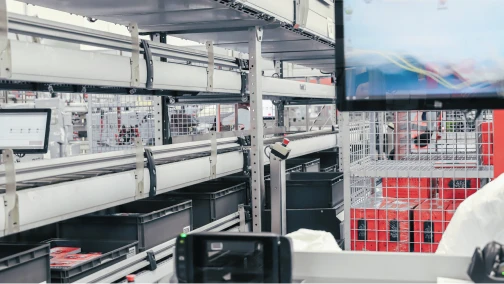
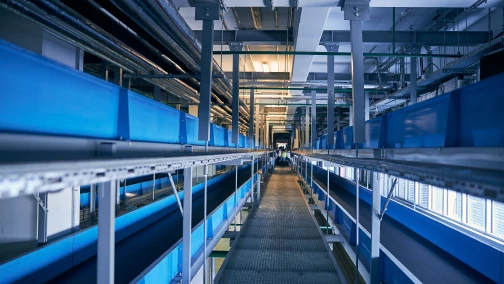
Our signature approach gives every roll its own bin, indexed in the WMS by SKU, width, dye lot, and remaining length. Density climbs because rolls stack vertically instead of spreading across cantilever bays, and inventory stays accurate even on slow-moving colors and widths that manual cycle counts routinely miss. Standard rolls run on the one-bin-per-slot robot; larger or heavier rolls move to unit-load storage.
Heavy-Duty Bin and Unit-Load ASRS for Large Rolls
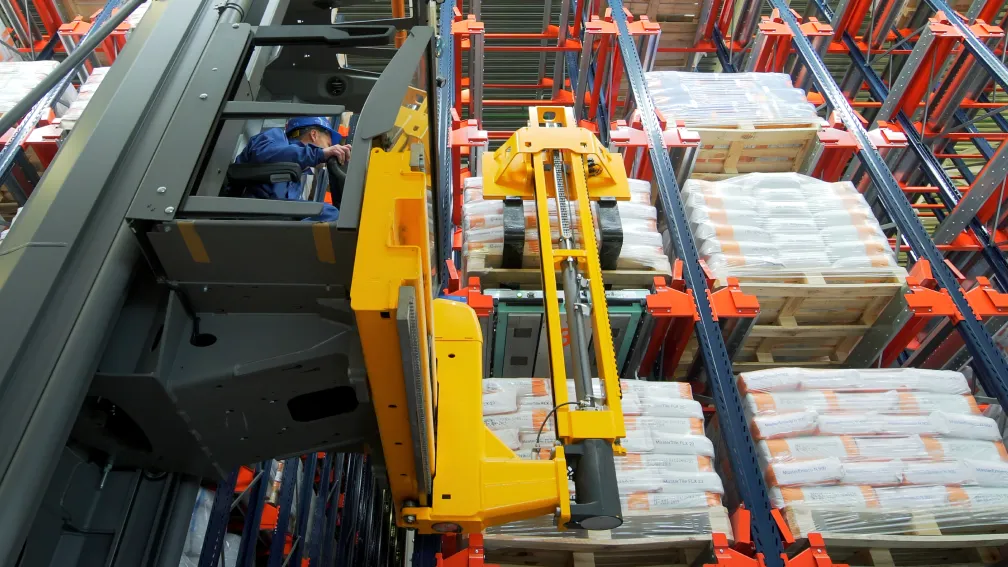
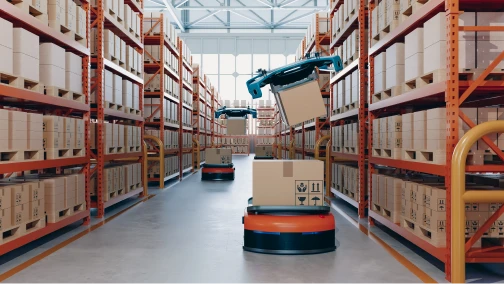
Raw-material rooms often hold big, dense rolls that a light shuttle cannot lift. A unit-load ASRS with a stacker crane stores these in high-bay racking and pulls them on demand, syncing quantities with the plant ERP in real time. This is the pattern behind several of our textile raw-material projects, where vertical storage doubled capacity and turned a manual search into an automated retrieval cycle.
Gantry AS/RS for Oversized Rolls
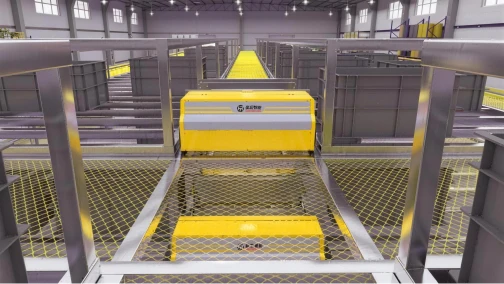
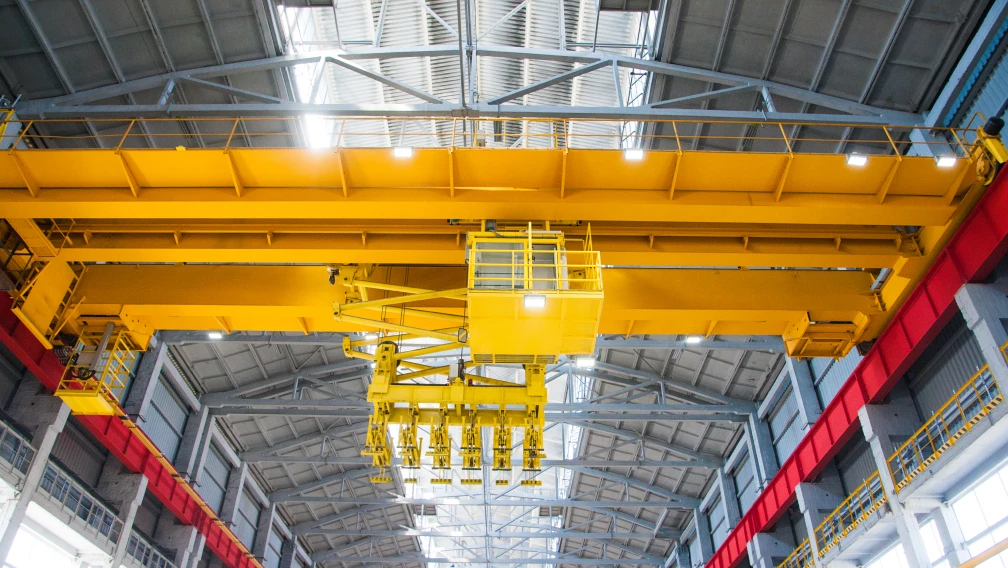
Curtain, drapery, and wide home-textile rolls are longer and heavier than apparel goods. Our gantry storage system uses an overhead crane structure and multi-tier racking to hold these safely and densely, and ties the retrieval sequence directly into the cutting workflow.
High-Speed Bin Robot for Trims and Cut Pieces
Not everything in a textile warehouse is a roll. Trims, labels, zippers, cut bundles, and samples are small-part goods, best handled goods-to-person. The high-speed bin robot brings the right tote to an operator, keeping the trim store as organized and traceable as the roll store.
WMS and RCS — the Control Layer
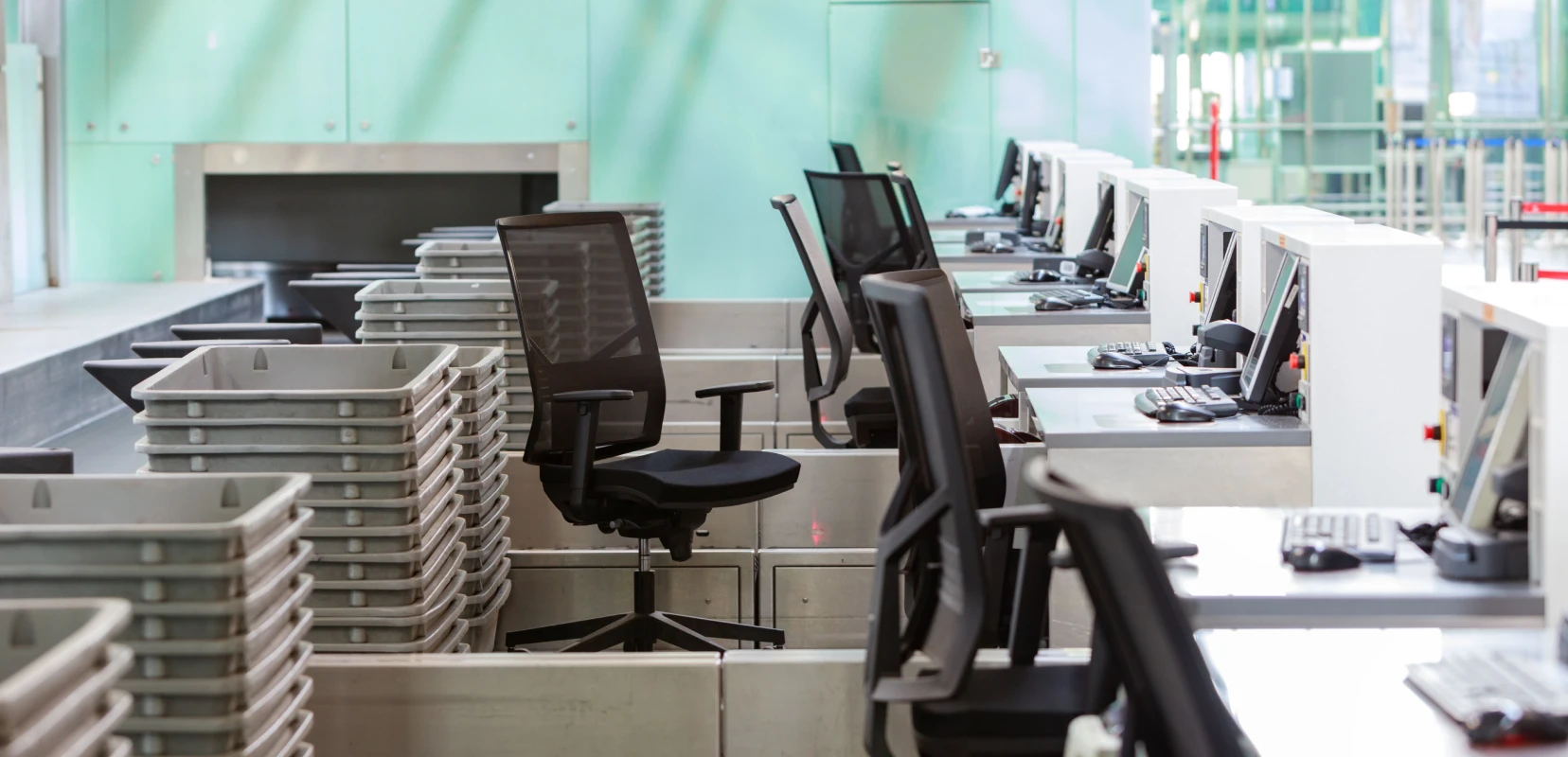
The warehouse management system enforces dye-lot FIFO, allocates the correct lot to each cutting order, and tracks remaining length per roll so partial rolls return to stock with an accurate balance. The robot control system schedules the cranes, shuttles, and bin robots so retrieval matches the cutting plan. Both connect to mainstream ERP through standard APIs, so order entry flows through to material release without re-keying.
Cutting-Room Integration and Remnant Recovery
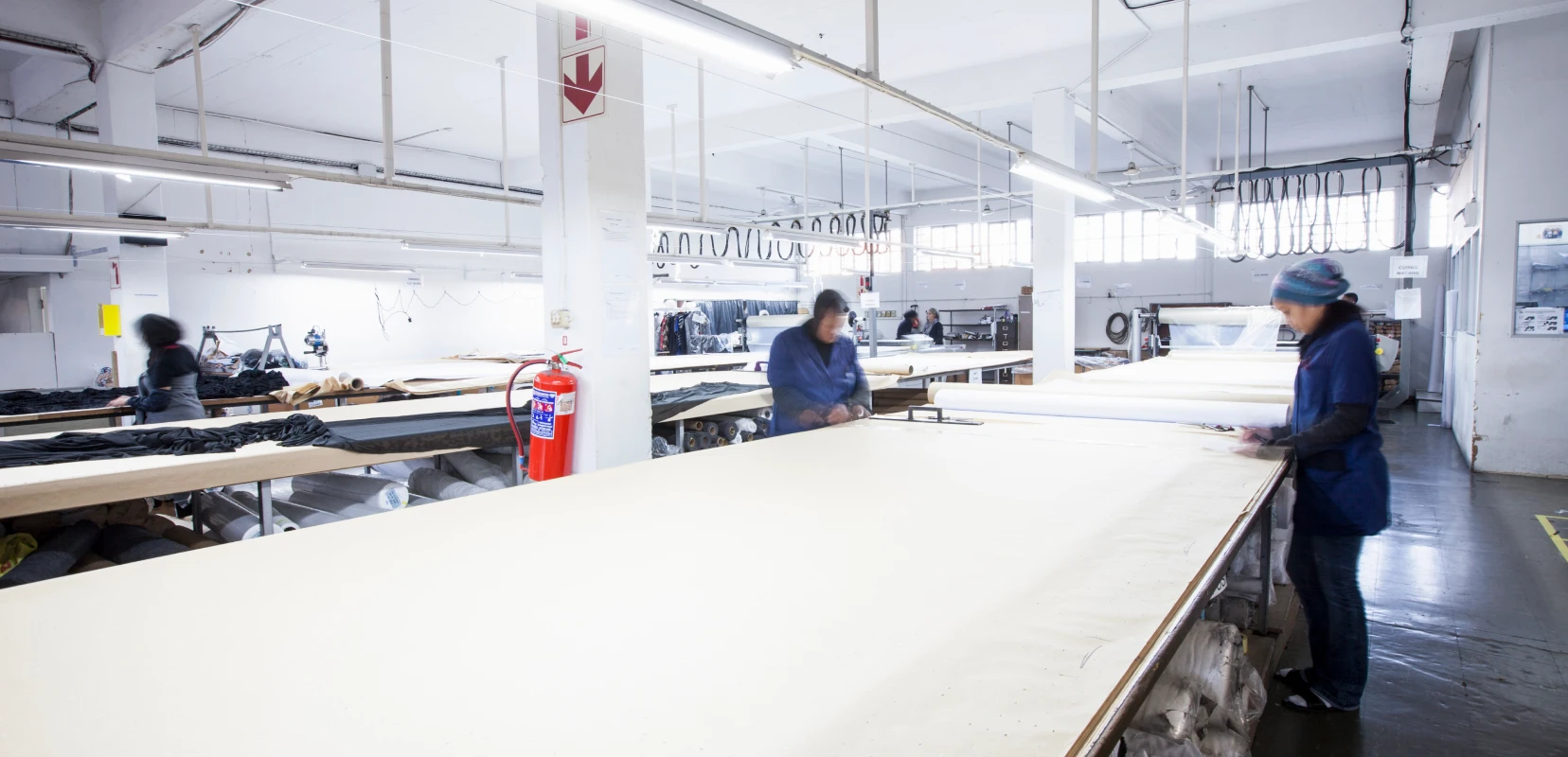
The point of storing rolls well is to cut well. Our systems link the warehouse to the cutting room in two ways that move directly to the bottom line.
First, scheduled feeding. The WMS releases rolls in cut-order sequence and stages them at the spreading or cutting line, so the cutting room is fed on schedule instead of waiting on a manual search. Accurate retrieval also removes the wrong-lot spreads that force a re-cut.
Second, remnant recovery. Every cut leaves a leftover, and in a manual shop that remnant usually gets sold as scrap by the kilo. With length tracked per roll, partial rolls go back to stock with a known balance and get offered to the next suitable order first. Some of our textile clients categorize leftover fabric by type and route it to downstream buyers through a dedicated channel, recovering well above scrap value on material that used to be written off. Precision cutting modules at the table add to this by trimming the fabric lost on each cut.
This end-of-line math — less waste per cut, leftovers sold near full value, fewer re-cuts — is often where a textile automation project pays back fastest.
What Textile Operators Get From Automation
Across textile and fabric-roll deployments, the gains cluster in a few areas:
• Space. High-bay roll storage typically doubles usable capacity on the same footprint, or holds the same inventory in far less floor area.
• Labor. Automated put-away and retrieval remove the heavy manual lifting and the walk-to-search time, freeing staff from the most injury-prone work.
• Accuracy. Real-time, per-roll inventory reaches 99 percent and above, and keeps dye-lot and length data trustworthy for allocation.
• Material yield. Enforced FIFO cuts age-out write-offs, and remnant recovery turns cutting leftovers from scrap into recoverable value.
• Throughput. The cutting room runs without material stoppages, and the system supports continuous operation through peak production.
Exact figures depend on roll profile, building height, and cutting-line count, which is why we size every project against real inventory and order data before recommending equipment.
Designing a Fabric-Roll Automation System
A handful of inputs drive both the design and the payback:
1. Roll profile. Diameter, width, weight, and core type set the handling device and location sizing. A store of 40 kg apparel rolls needs a different system than one holding 200 kg technical-textile rolls.
2. Dye-lot depth. How many lots per SKU, and how tight the shade matching has to be, drives location count and WMS lot logic.
3. Throughput. Rolls in and out per hour, and how many cutting lines the store feeds, set the number of cranes or robots.
4. Storage duration and climate. Long-held or dye-sensitive fabric needs FIFO discipline and, in some cases, controlled temperature and humidity in the storage zone.
5. Material mix. The split between raw rolls, finished rolls, and trims decides how many storage types the layout has to combine.
We run these through a layout and simulation study and return topology options with a payback model, so the equipment decision rests on data rather than a catalog. You can see the range of build types on our case studies page.
Talk to Us About Your Textile Warehouse
Whether you are planning a new mill warehouse, upgrading a raw-material or finished-goods store, or connecting storage to your cutting room, our engineers will run a sizing study against your roll data and order profile. Studies usually take two to four weeks and come back with layout options, capacity figures, and a financial model.
→ Request a textile warehouse automation consultation from HOWEPROFIT.
Frequently Asked Questions
How are fabric rolls stored in an automated warehouse?
Each roll is stored in its own indexed location, sized to its diameter and width, with no pallet underneath. A stacker crane or shuttle fitted with a roll-specific fork, cradle, or core mandrel puts rolls away and retrieves them under WMS control. The system records SKU, dye lot, width, and remaining length for every roll, so the right lot can be pulled on demand and partial rolls return to stock with an accurate balance.
Can one system handle different roll diameters and widths?
Yes. Location sizing and gripper design are set to cover the range of diameters and widths your operation runs, including rolls that shrink in diameter as they are consumed. Adjustable handling and mixed location profiles let one system hold varied roll sizes without a separate rack for each.
How does the system keep dye lots and shade matching under control?
The WMS tracks dye lot at the roll level and allocates lots to cutting orders by rule, so a single order draws from matching lots. It also enforces FIFO within a lot so older stock moves first. That removes the shade-off defects caused by mixing lots by mistake in a manual store.
What happens to leftover fabric after cutting?
Remaining length is tracked per roll, so partial rolls go back to stock with a known balance and are offered to the next suitable order first, rather than being buried or scrapped. Operations that categorize and resell leftover fabric through a dedicated channel commonly recover well above scrap value on material that was previously written off.
Does the warehouse feed our cutting or spreading lines directly?
Yes. The WMS releases rolls in cut-order sequence and stages them at the spreading or cutting line, and can integrate with precision cutting modules at the table. The cutting room is fed on schedule, which removes the material-search delays that stall production.
Can it integrate with our existing ERP or MES?
Yes. Our WMS and RCS connect to mainstream ERP and MES platforms through standard APIs, syncing inventory, orders, and material release in both directions. During design, our team works with your IT staff so data flows from order entry through to roll retrieval without manual re-keying.
What storage height and density can we expect?
High-bay roll storage reaches well beyond the height of manual cantilever racking, and because rolls are held without pallets in slots sized to their profile, density is far higher than open roll racks. The exact height and slot count come from your building clearance and roll profile in the sizing study.
-

HOWEPROFIT Team
Warehouse Automation Specialists, HOWEPROFIT
The HOWEPROFIT Team consists of senior intralogistics engineers and supply chain experts specializing in advanced AS/RS and robotic fulfillment solutions. Backed by years of field experience across e-commerce, 3PL, and manufacturing sectors, we provide data-driven automation strategies, rigorous throughput simulations, and objective ROI modeling. Our mission is to help facilities seamlessly transition to high-efficiency, reliable, and scalable automated operations.