The Regulatory Burden of Pharmaceutical Intralogistics
Material handling in the pharmaceutical and life sciences sector operates under regulatory constraints that do not exist in general retail or industrial manufacturing. In standard distribution, an inventory error results in a delayed shipment or a chargeback. In pharmaceutical distribution, a loss of lot traceability, a deviation in temperature control, or a contamination event can trigger catastrophic recalls, severe FDA or EMA penalties, and direct harm to patient safety.
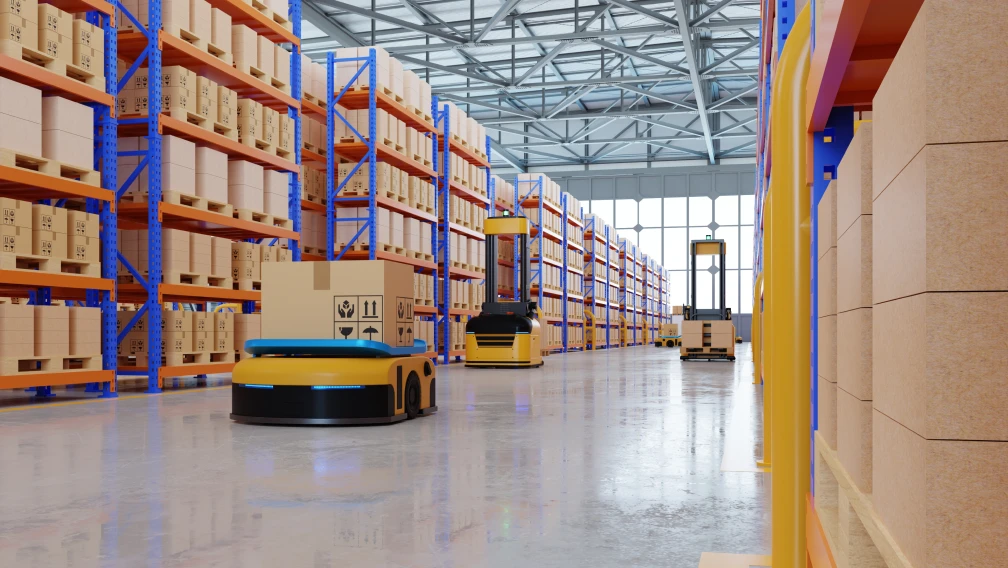
Conventional manual warehousing relies on human operators navigating pallet racks or static shelving. This manual intervention introduces continuous risks: particulate contamination from forklift tires, misinterpretation of similar packaging (look-alike/sound-alike drugs), failure to enforce strict First-Expired-First-Out (FEFO) retrieval sequences, and the breaking of the digital chain of custody required for drug serialization. To eliminate these liabilities, pharmaceutical manufacturers and distributors deploy Automated Storage and Retrieval Systems (AS/RS). However, deploying automation in a Good Manufacturing Practice (GMP) environment or an ISO-classified cleanroom requires highly specialized mechanical engineering and software architecture that complies with rigorous regulatory standards, including FDA 21 CFR Part 11.
Mechanical Engineering for Cleanroom Environments
Standard automation equipment generates microscopic debris. Belts shed rubber particulate as they rub against pulleys; carbon brushes in standard motors emit carbon dust; pneumatic actuators exhaust unfiltered air; and unsealed bearings leak micro-droplets of industrial lubricant. In an ISO Class 7 or ISO Class 8 pharmaceutical cleanroom environment, this particulate generation is unacceptable.
Tribology and Particulate Mitigation
Pharmaceutical-grade AS/RS architectures are designed specifically to mitigate friction-induced shedding. Standard rubber or polyurethane drive belts are replaced with FDA-approved, non-shedding synthetic timing belts. Drive mechanisms often utilize encapsulated, brushless servo motors that emit zero carbon dust. Where lubrication is mechanically unavoidable, the systems employ NSF H1-registered food-grade synthetic lubricants that pose no toxicological risk if incidental contact occurs.
Structural Hygienic Design
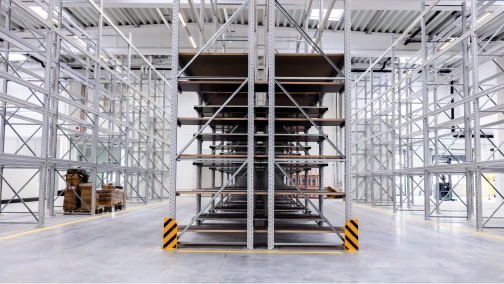
The structural racking and the mast of the stacker cranes undergo strict hygienic design modifications. Standard carbon steel racking with open profiles (like C-channels) allows dust to accumulate in inaccessible corners. Cleanroom-rated AS/RS structures often utilize enclosed, smooth-profile anodized aluminum or stainless steel components. Horizontal surfaces are minimized or sloped to prevent the settling of airborne particulates, allowing for rapid and effective chemical washdowns or aerosolized hydrogen peroxide (VHP) decontamination procedures without degrading the metal.
Hardware Architectures for Pharma Operations
Pharmaceutical operations handle inventory in two distinct phases: bulk raw materials (Active Pharmaceutical Ingredients - APIs) and finished, packaged goods (vials, blister packs, pre-filled syringes). Each phase dictates a specific kinematic approach.
Raw Material Buffering: Specialized Unit-Load Systems
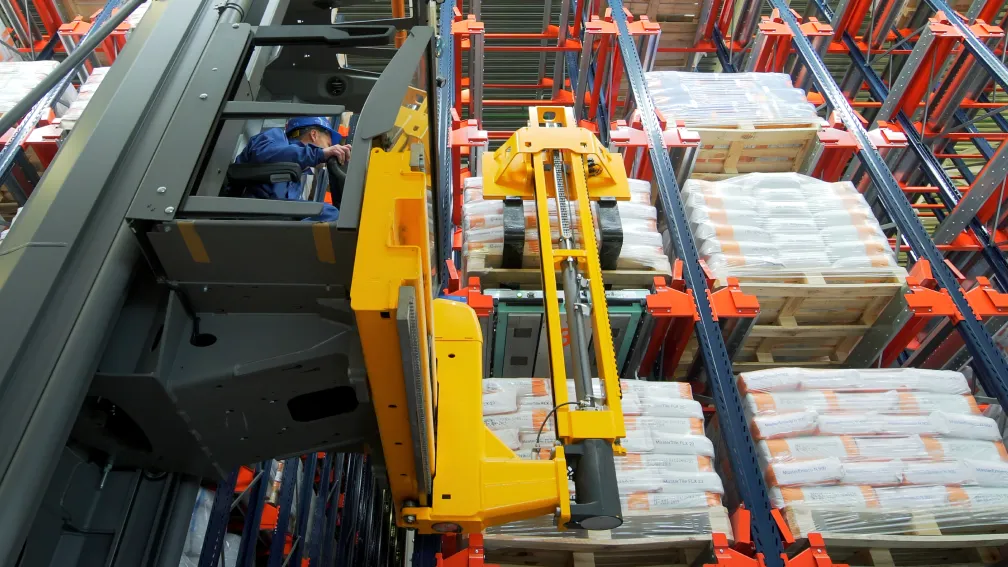
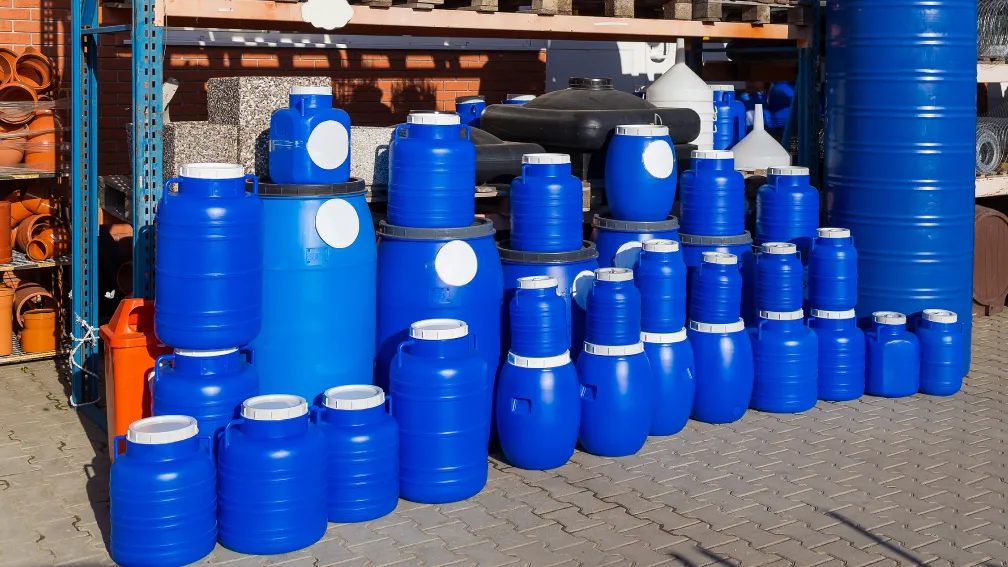
Upstream manufacturing requires buffering massive barrels of APIs, excipients, and temperature-sensitive biologics. These are typically managed by Unit-Load AS/RS cranes. In pharmaceutical deployments, these cranes often operate within strict temperature-controlled zones (e.g., 2°C to 8°C cold rooms). The cranes map the thermal gradients of the high-bay structure, and the software actively avoids storing highly sensitive biologics in the upper tiers where warm air naturally stratifies, ensuring absolute temperature uniformity across the inventory.
Finished Goods and Order Fulfillment: Miniloads and Bin Robots
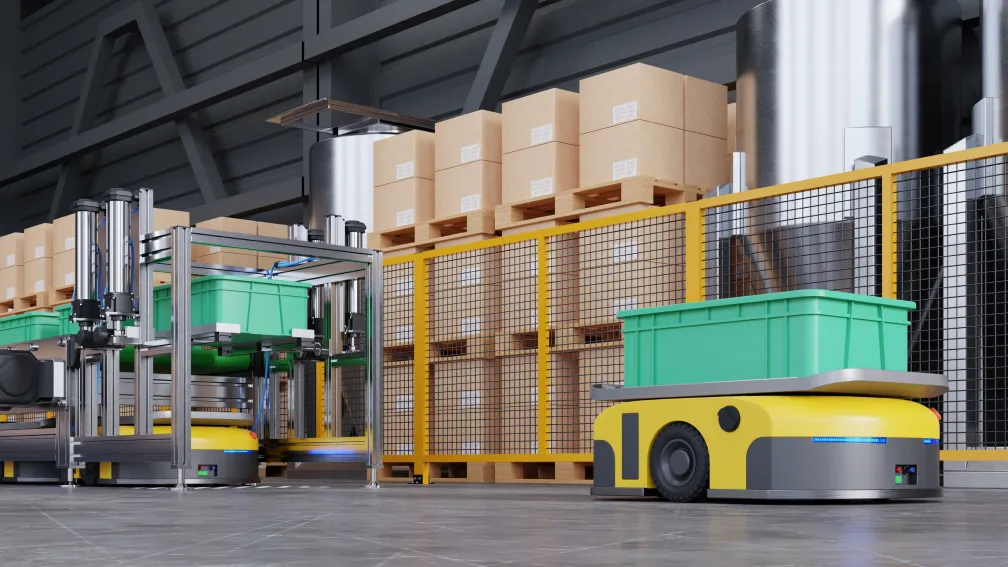
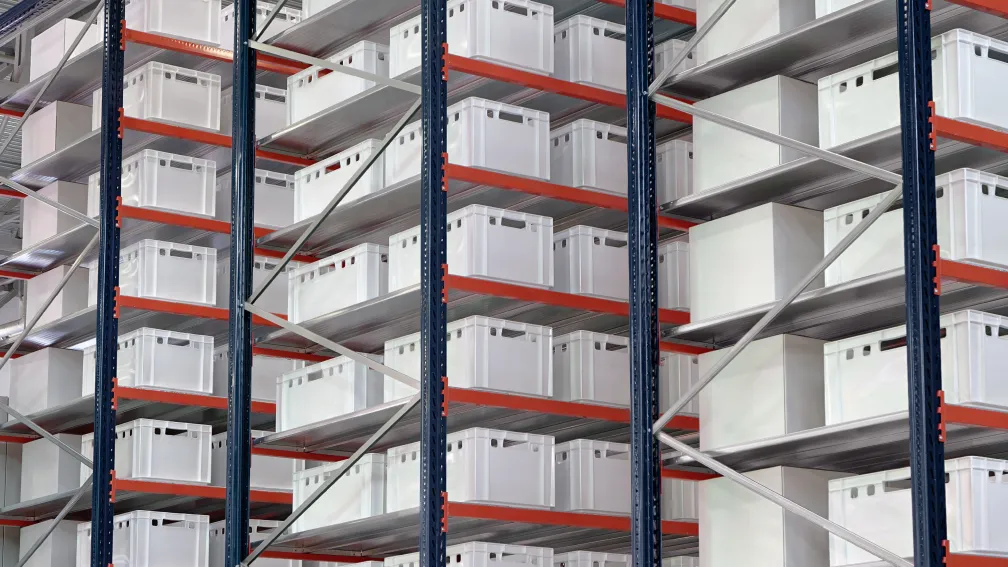
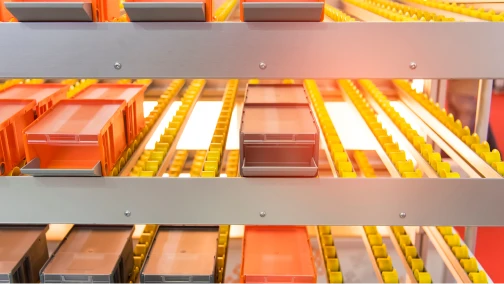
For downstream distribution, where thousands of discrete SKUs must be picked at high speeds for hospital or pharmacy delivery, operations rely on tote-based storage. The Miniload AS/RS provides highly dense, vertical storage for captive plastic totes containing packaged medicines.
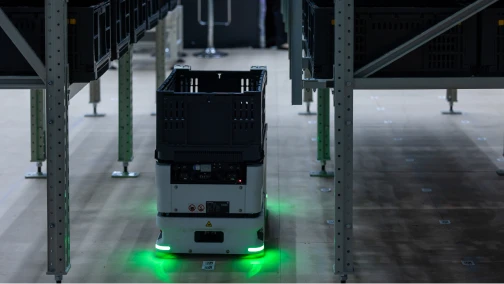
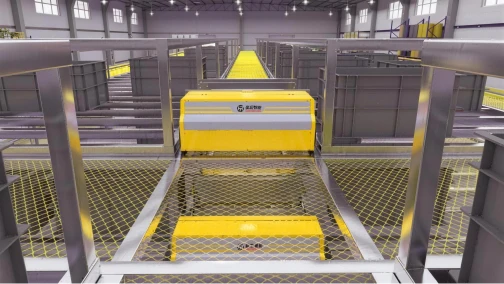
Increasingly, high-throughput distributors are transitioning to High-Speed Bin Robot grids. The robotic architecture offers a distinct contamination advantage: if a liquid medication spills within a tote, a single bin robot can isolate the contaminated tote and deliver it to a designated hazardous-waste station without exposing the rest of the storage grid. Furthermore, the decentralized nature of the bin robots means there are no localized areas of concentrated mechanical wear and particulate shedding, as traffic is distributed across the entire horizontal rail network.
| Component Category | Standard Industrial AS/RS | Pharmaceutical/Cleanroom AS/RS |
| Structural Material | Powder-coated carbon steel, open C-channels | Stainless steel or anodized aluminum, closed profiles |
| Drive Belts & Wheels | Standard polyurethane or rubber | FDA-approved non-shedding synthetics, Vulkollan |
| Lubrication | Standard industrial mineral oils and greases | NSF H1 food-grade synthetic lubricants, sealed bearings |
| Pneumatics | Standard exhaust into ambient air | Filtered exhaust or replacement with electromechanical actuators |

Software Orchestration: Serialization and 21 CFR Part 11
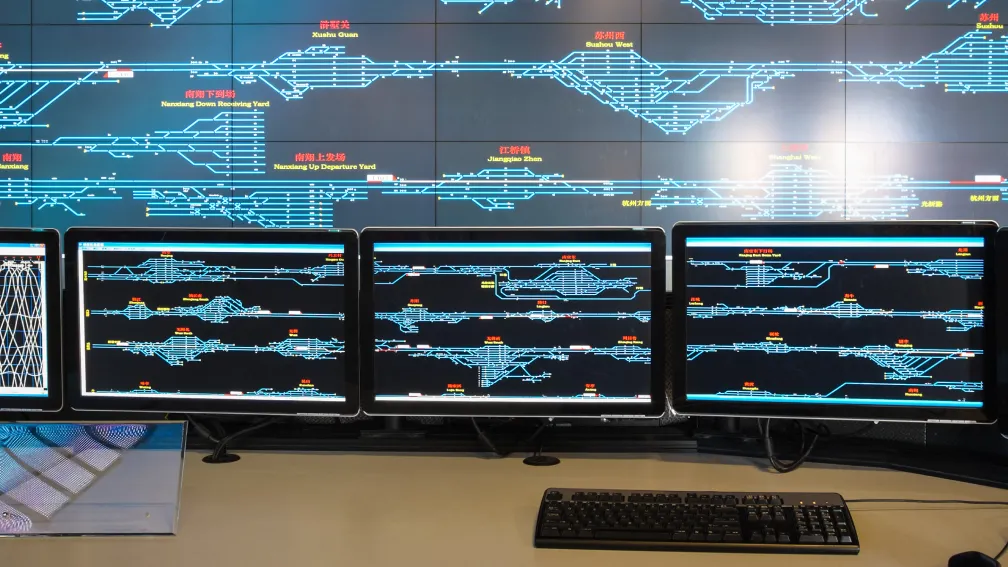
The mechanical hardware secures the physical environment, but the Warehouse Management System (WMS) secures the regulatory compliance. In pharmaceutical logistics, the software must meet the stringent requirements of FDA 21 CFR Part 11 (or equivalent global standards like EU Annex 11), which governs electronic records and electronic signatures.
Audit Trails and Access Control
Every mechanical movement executed by the AS/RS must be permanently recorded. If an operator manually overrides a retrieval sequence at the WCS level, the software logs the user ID, the timestamp, the previous state, the new state, and the explicit reason for the change. This creates an immutable, time-stamped audit trail that proves to regulatory inspectors exactly who authorized the movement of a specific batch of narcotics or controlled substances.
FEFO Enforcement and Automated Quarantine
The WMS manages inventory strictly by batch number and expiration date, enforcing rigid First-Expired-First-Out (FEFO) logic. This entirely removes the risk of a manual picker grabbing a newer box of medication while older stock expires on the shelf.
More importantly, the software executes automated logical quarantines. If the laboratory identifies a quality deviation in a specific batch of APIs, the Quality Assurance (QA) manager triggers a hold status in the enterprise software. The WMS instantly locks the specific X-Y-Z coordinates of every tote or pallet containing that batch within the AS/RS grid. The stacker cranes and bin robots are physically prevented from retrieving those items for downstream processing or shipping, ensuring that non-compliant materials are definitively contained without requiring manual floor sweeps or hazard tape.
System Validation: The IQ/OQ/PQ Lifecycle
Unlike standard industrial equipment, a pharmaceutical AS/RS cannot simply be installed and switched on. It must undergo a rigorous, documented validation lifecycle to prove it operates exactly as intended under all conditions.
1. Installation Qualification (IQ): This phase verifies that the racking, cranes, robots, and control cabinets are installed exactly according to the approved engineering drawings. It confirms that the correct cleanroom-grade materials were used and that wiring meets specifications.
2. Operational Qualification (OQ): This tests the system's operational limits. Engineers intentionally trigger error states—simulating power failures, sensor blockages, or emergency stops—to prove that the hardware and software fail safely and that the WMS recovers data accurately without losing inventory tracking.
3. Performance Qualification (PQ): This is the final stage, testing the system under full production load. The facility runs live orders (often using placebo materials initially) to verify that the system maintains throughput, enforces FEFO logic, successfully executes quarantine commands, and records all audit trails correctly under peak operational stress.
Validating the Pharmaceutical ROI
The capital expenditure for a GMP-compliant automated storage system is significant, but the Return on Investment (ROI) in the pharmaceutical sector is calculated differently than in retail. The financial justification rests on risk mitigation. By eliminating manual handling, facilities eradicate the risk of cross-contamination, prevent the shipping of expired or recalled products, and ensure absolute compliance with serialization mandates.
A single prevented recall or avoided FDA warning letter often covers the entire capital cost of the automation infrastructure, while the continuous operational benefits—drastically reduced footprint, minimal labor dependency, and perfect inventory accuracy—provide ongoing bottom-line profitability.
→ Contact HOWEPROFIT’s engineering and software validation team to discuss the architectural requirements for your GMP-compliant storage facility.
-

HOWEPROFIT Team
Warehouse Automation Specialists, HOWEPROFIT
The HOWEPROFIT Team consists of senior intralogistics engineers and supply chain experts specializing in advanced AS/RS and robotic fulfillment solutions. Backed by years of field experience across e-commerce, 3PL, and manufacturing sectors, we provide data-driven automation strategies, rigorous throughput simulations, and objective ROI modeling. Our mission is to help facilities seamlessly transition to high-efficiency, reliable, and scalable automated operations.