There's No Such Thing as a Generic AS/RS
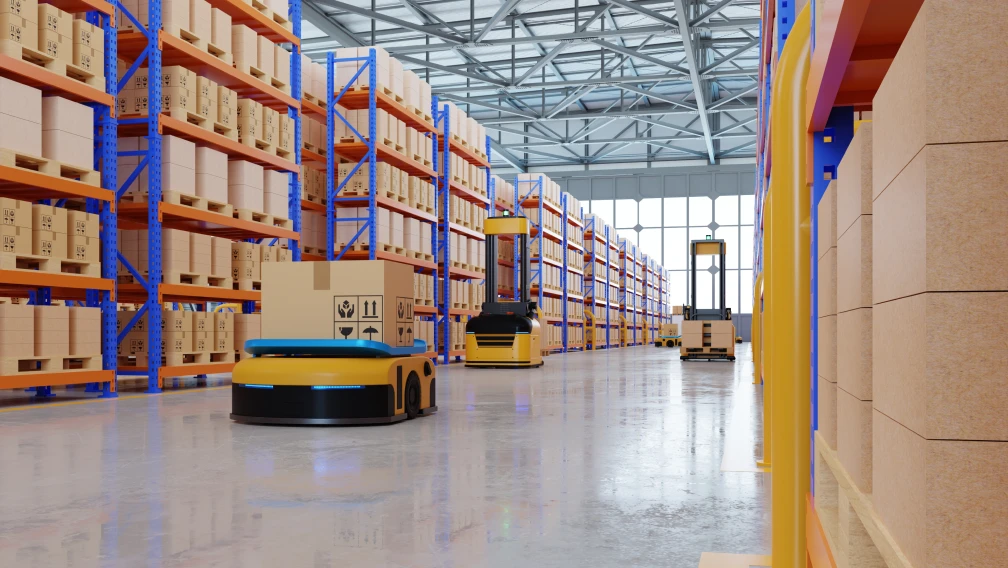
The AS/RS category covers eight or nine distinct technologies, each with a different sweet spot. (If you're new to the topic, start with our complete guide to automated storage and retrieval systems first.) Picking the wrong one means either throwing away money on capacity you don't need or hitting a throughput wall two years after going live. This guide walks through the major AS/RS types side by side, with the operational data and use cases that actually matter when you're making the decision.
We'll cover seven AS/RS technologies in depth: mini-load, shuttle-based, cube-grid, vertical lift module, vertical carousel, horizontal carousel, and unit-load. By the end you should be able to shortlist the right two or three for your operation and understand why the others don't fit.
How AS/RS Types Differ — The Four Variables That Matter
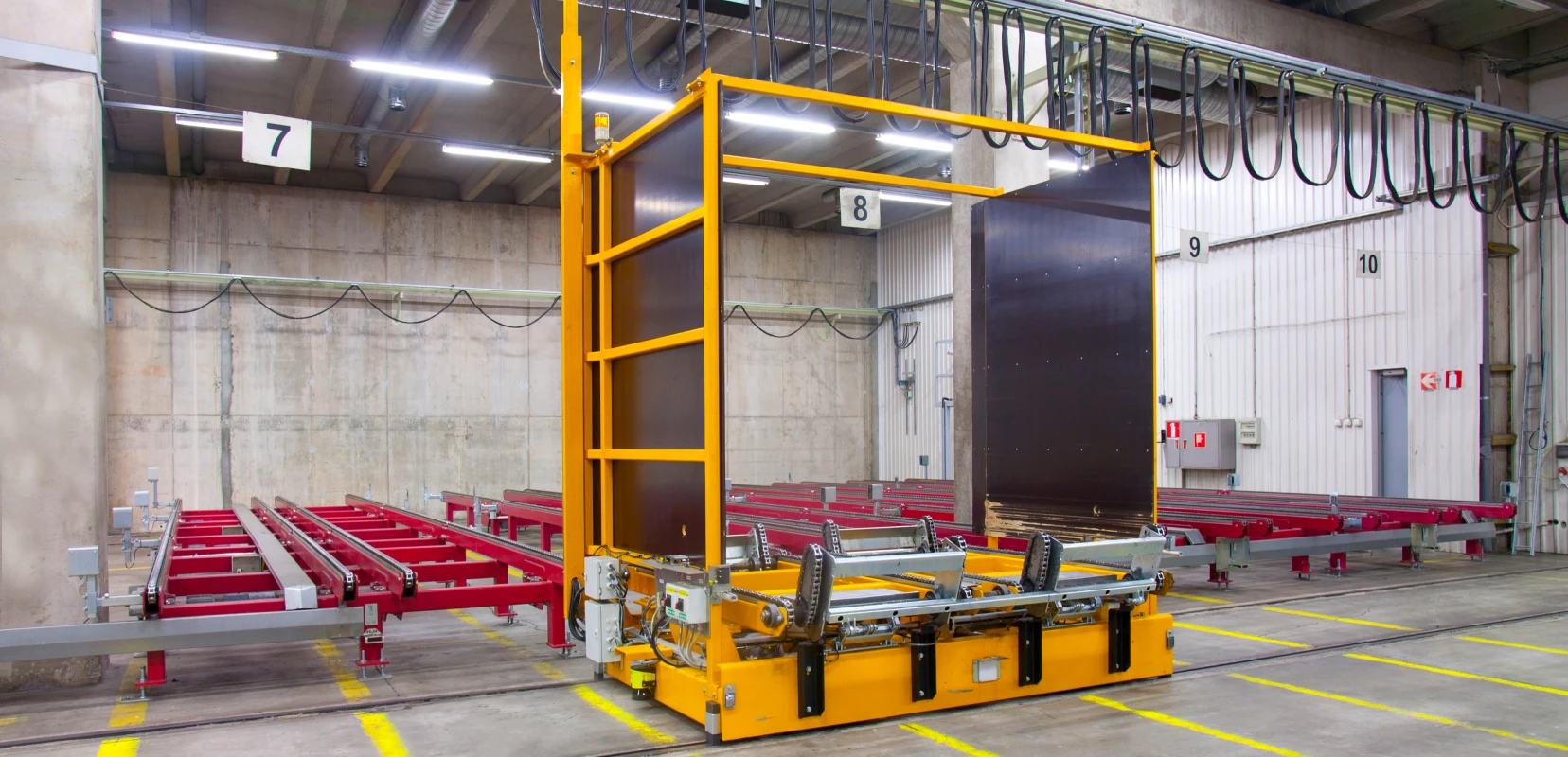
Comparing AS/RS systems on raw throughput numbers without context is misleading. Four variables actually drive the comparison:
1. Load type and weight. What are you storing? Cartons, totes, pallets, trays of small parts, hanging garments? Weight per load matters as much as dimension.
2. Throughput per aisle. Some systems can run hundreds of cycles per hour per aisle. Others top out at 30–50. This is the single biggest differentiator on volume operations.
3. Storage density. How many bins or pallets fit per square meter of building? Density matters most when you're paying premium real estate or expanding into a constrained footprint.
4. Flexibility and scalability. Can you add capacity incrementally? Can you reconfigure for different SKU profiles? Can you handle SKU growth without rebuilding?
A throughput metric called TPOSF — throughput per occupied square foot — combines these into a single comparable number. Divide hourly throughput by total system footprint to get a sense of how productively each technology uses space. It's useful shorthand when comparing topologies.
Mini-Load AS/RS
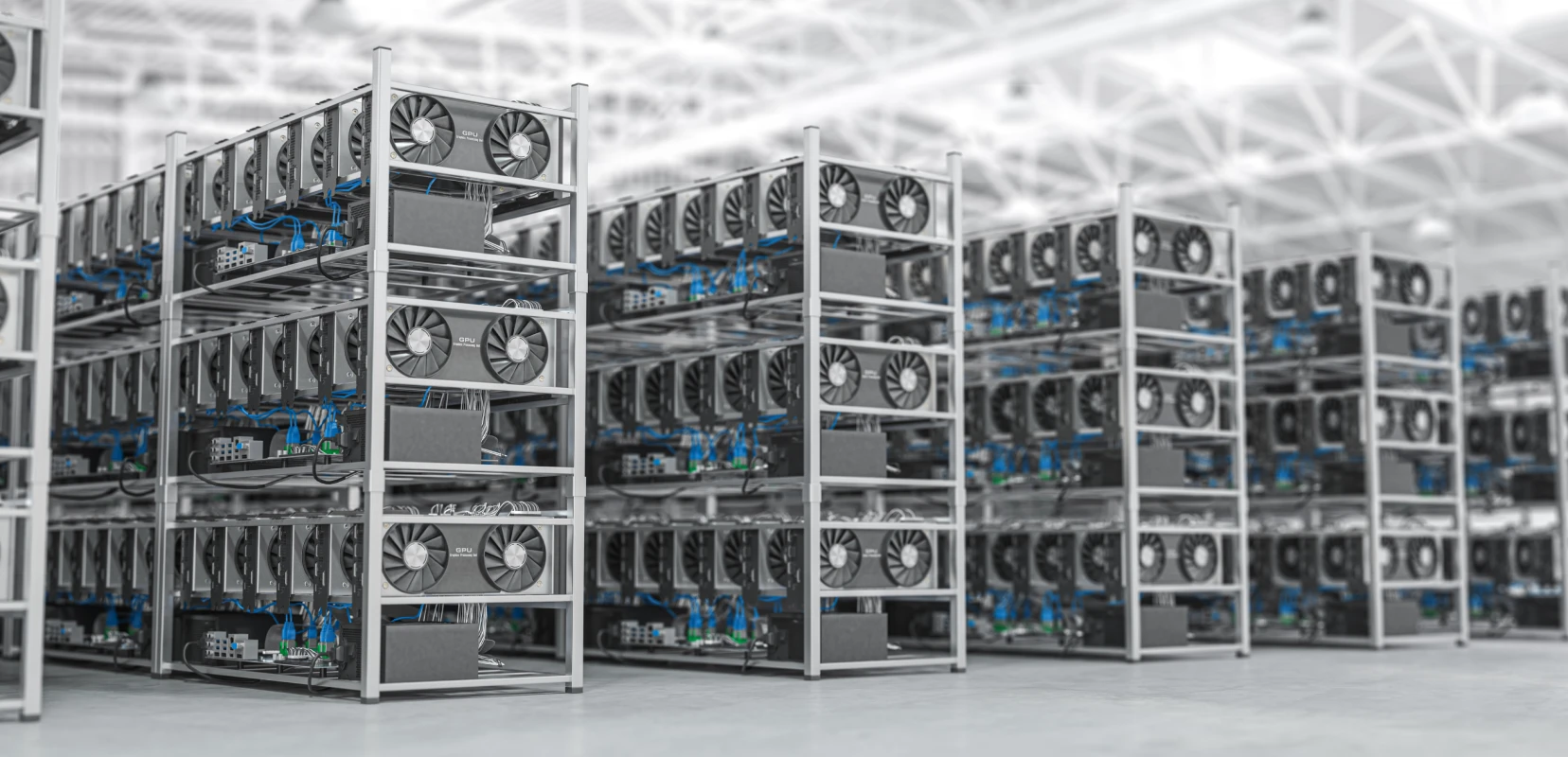
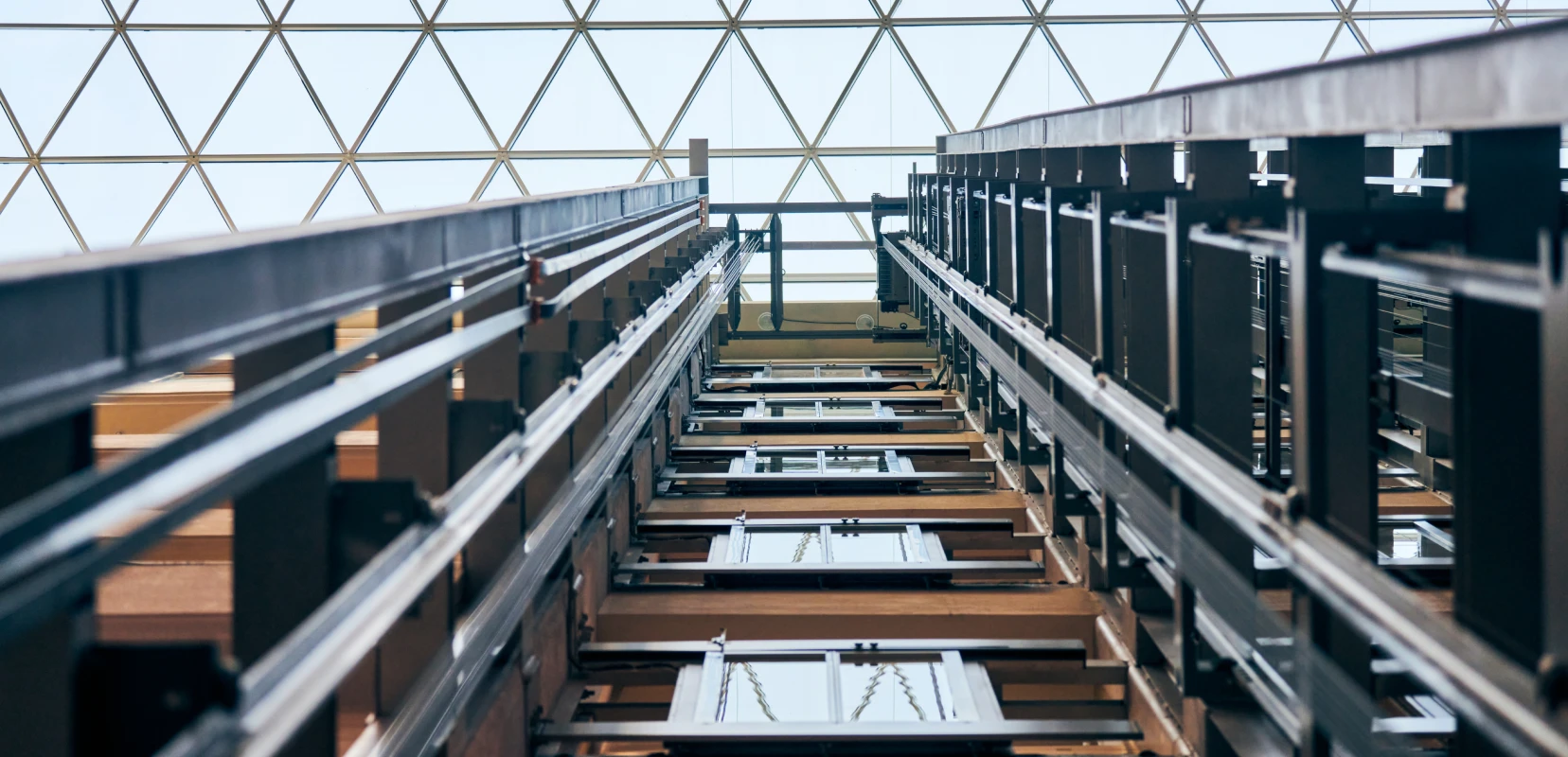
Mini-load is the workhorse small-load AS/RS. A stacker crane runs in a narrow aisle (1.4–1.8 m wide), serving racks on both sides up to 22 m high. Each crane handles cartons, totes, or trays weighing typically 30–50 kg.
Best for: Operations with 5,000–100,000+ SKUs in tote-sized loads. Parts distribution, pharma, e-commerce mid-volume, beauty, electronics.
Throughput: 60–120 cycles per hour per crane aisle. Single-deep racks faster than double-deep.
Density: Good — about 2.5–3x conventional shelving. Less dense than cube-grid but better than carousels.
Strengths
• Mature, well-understood technology with hundreds of vendors and integrators globally
• Handles wide range of tote and carton sizes in one system
• Tall installations (22 m+) take advantage of vertical building space
• Predictable maintenance and parts availability
Limitations
• Throughput bottleneck — one crane per aisle means parallel cycles aren't possible
• If a crane fails, the entire aisle is down
• Less flexible to reconfigure than newer technologies
Typical project size: USD 1M–5M for mid-range installations, USD 5M–15M for large multi-aisle systems.
Shuttle-Based AS/RS
Shuttle systems put a dedicated shuttle on each level of a rack. With 8–15 levels per aisle, the system runs 8–15 cycles in parallel instead of one. This is the throughput upgrade path from mini-load.
Best for: High-velocity small-load operations. E-commerce fulfillment, fast-moving consumer goods, food, pharmaceutical distribution.
Throughput: 500–800+ cycles per hour per aisle. Some high-end shuttle systems push above 1,000.
Density: Comparable to mini-load — about 2.5–3x shelving. Density doesn't change much by going to shuttles; what changes is throughput per aisle.
Strengths
• Highest throughput per aisle of any rack-based AS/RS
• Single-shuttle failure doesn't shut down the aisle — other levels keep running
• Scales by adding more shuttles to existing rack
• Lower height than miniload (typical 10–15 m) reduces civil costs in low-clearance buildings
Limitations
• More moving parts means higher maintenance burden
• Higher capex per cycle than miniload at low throughput
• Inter-aisle moves require lifts or transfer mechanisms — added complexity
Typical project size: USD 3M–10M for mid-range, USD 10M–30M for large multi-aisle.
Cube-Based / Grid AS/RS
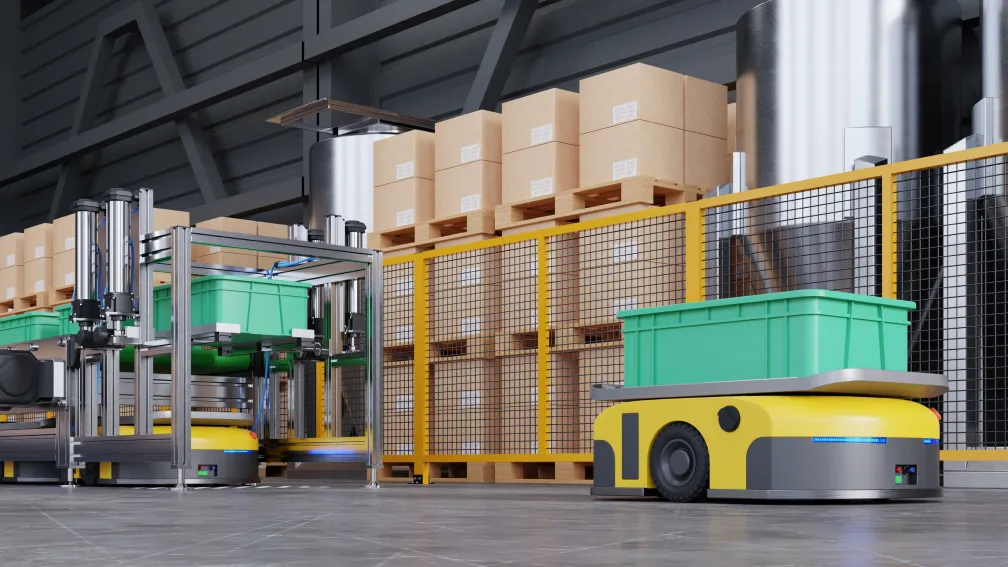
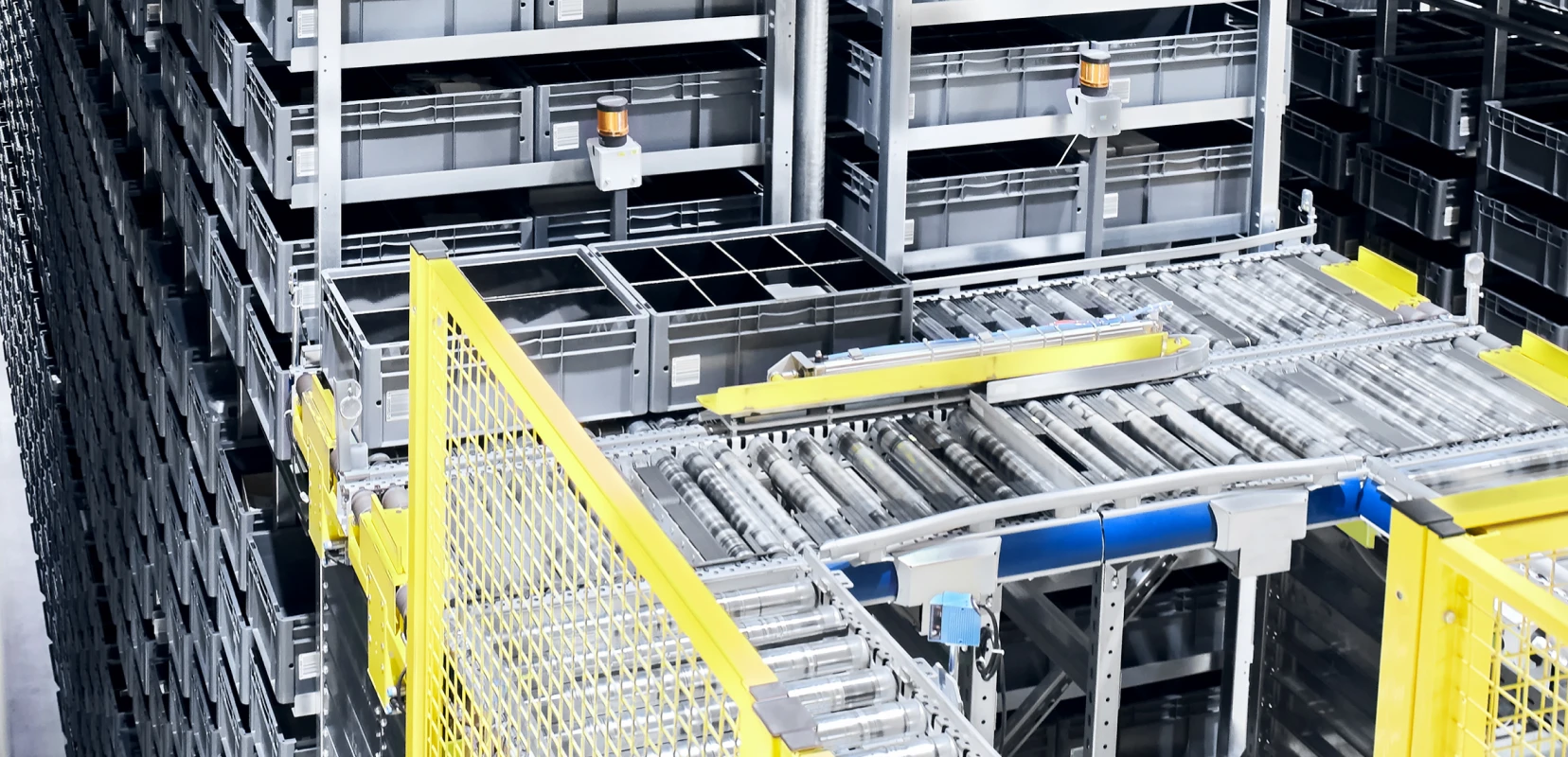
Cube-based systems store bins in vertical columns inside a solid grid. Wheeled robots travel on rails on top of the grid, dig through columns to retrieve target bins, and deliver them to ports at the perimeter. AutoStore is the most recognized brand; HOWEPROFIT's own implementations — including the high-speed bin robot and the one-bin-per-slot robot — target different sweet spots on the density-vs-speed trade-off.
Best for: High-SKU operations where storage density is the dominant constraint. E-commerce fulfillment, retail back-of-house, pharma, parts distribution in urban DCs.
Throughput: Per-bin retrieval times average 30–90 seconds depending on bin depth in column. Total system throughput scales with robot count — small systems run 100–300 bins/hour, large systems several thousand.
Density: Highest of any AS/RS type. 4x conventional shelving is common, sometimes higher in tall buildings.
Strengths
• Unmatched storage density — no aisles wasted on access
• Modular and scalable — add robots, ports, or grid sections incrementally
• Single robot or port failure doesn't bring down the system
• Simple structure means lower civil engineering costs
• Reconfigures more easily than crane-based systems
Limitations
• Slow movers buried deep in columns require digging through bins above (extra cycle time)
• Maximum bin size limits product range — typical bin envelope 600 mm × 400 mm × 220–330 mm deep
• Robot fleet maintenance can be substantial at scale — proper robot fleet management software is essential for keeping utilization high in large deployments.
• ROI breaks down if SKU velocity profile is highly skewed (very fast top movers favor shuttle systems)
Typical project size: Quoted per bin slot — USD 250–450 per slot fully installed. A 50,000-slot installation runs USD 12M–22M.
Vertical Lift Module (VLM)
A VLM is a self-contained vertical tower with trays of inventory on both sides of a central lift mechanism. The lift retrieves the target tray and delivers it to an operator at a window at the base. Inside the tower, trays are stored at variable heights — the system measures each tray's contents and stores them with minimal vertical gap.
Best for: Space-constrained operations with high-value or small-parts inventory. Spare parts rooms in manufacturing, pharma kitting areas, electronic components, lab supplies, medical devices.
Throughput: 50–80 trays per hour per VLM unit. Multiple VLMs in a pod can serve one operator at the same time, raising effective throughput to 150–250 lines/hour.
Density: Excellent in vertical dimension. Footprint is small (typically 2 × 4 m), but height utilization is dramatic — 8–15 m tall is common, 20 m+ for high-density installations.
Strengths
• Smallest footprint per unit of storage of any AS/RS
• Self-contained — doesn't require building integration
• Highly secure (closed structure suits valuable inventory)
• Quick deployment (single-unit installations in days)
• Lower cost than crane or shuttle systems for equivalent capacity
Limitations
• Throughput per unit is modest — not suitable for high-volume order picking on its own
• Single lift mechanism means one operation at a time per unit
• Tray weight limits restrict heavier items
• Inventory access is single-point (slower than multi-port systems for high-volume operations)
Typical project size: USD 50K–200K per VLM unit. Multi-unit installations USD 500K–2M.
Vertical Carousel
A series of carriers attached to a chain that rotates in a vertical loop, like a Ferris wheel. The operator commands a target shelf, and the carousel rotates it to the access window.
Best for: Slow-to-medium velocity inventory in space-constrained operations. Tools, fasteners, lab supplies, document storage, slow-moving spare parts.
Throughput: 100–400 lines per hour per carousel. Slower than VLM because the entire loop has to move to bring the target tray to the window.
Density: Good in vertical dimension. Comparable to VLM on density but typically lower capacity per unit because tray sizes are smaller.
Strengths
• Lower cost per unit than VLM
• Smaller footprint than mini-load or shuttle systems
• Simple mechanical design with predictable maintenance
• Quick deployment
Limitations
• Throughput is limited — not suitable for high-volume picking
• Rotation time grows with tray count
• Carrier weight capacity (typically 350–750 kg per carrier) constrains heavier items
• Less flexible than newer technologies
Typical project size: USD 40K–150K per unit.
Horizontal Carousel
Bins rotate horizontally on an oval track. Common in pharmacy and order-picking pods where two or three carousels run in parallel for a single operator.
Best for: Small-item picking at medium volumes. Pharmacy, electronic components, light manufacturing assembly support.
Throughput: 200–400 lines per hour per pod (2–4 carousels working together).
Density: Moderate. Better than open shelving but less than vertical AS/RS.
Strengths
• Excellent for batch picking — multiple orders simultaneously from one workstation
• Lower height than vertical systems (suits buildings with low clearance)
• Mature technology with broad vendor base
Limitations
• Lower storage density than vertical AS/RS
• Floor space efficiency lower than other AS/RS types
• Slower for single-line picking than VLM
Typical project size: USD 50K–200K per carousel, typically deployed in 2–4 unit pods at USD 300K–800K.
Unit-Load AS/RS
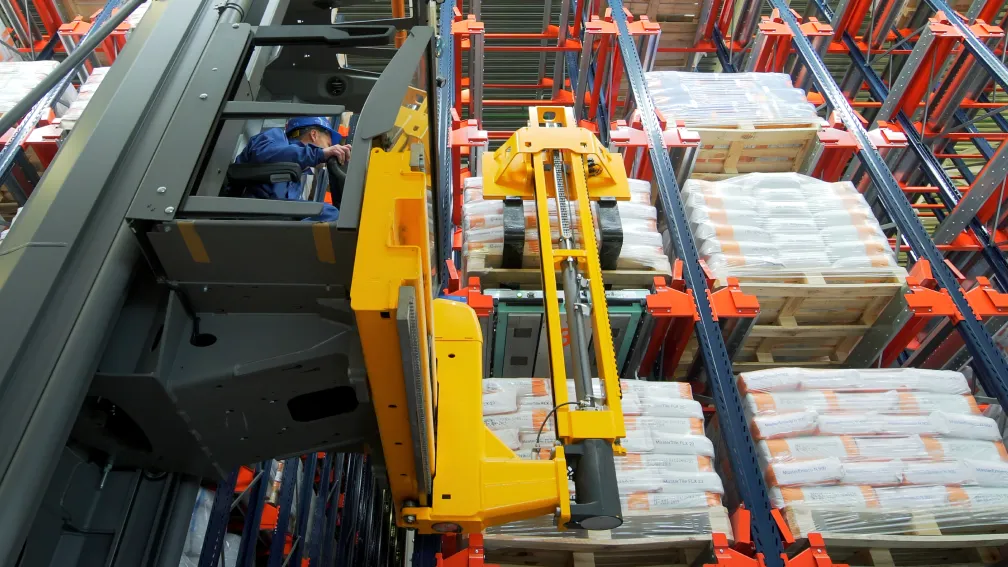
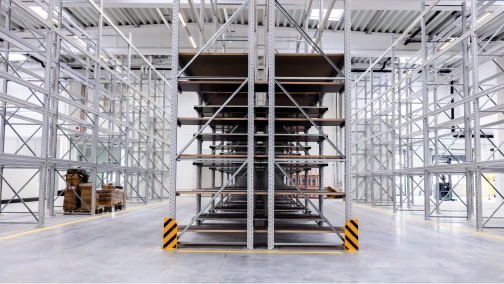
Full-pallet handling AS/RS. Stacker cranes operate in narrow aisles (1.8–2.2 m) at heights up to 40+ m, moving pallets weighing up to 5,000 kg.
Best for: High-volume pallet operations. Beverages, paper products, cold-storage food, automotive bulk parts, manufacturing finished goods buffer.
Throughput: 25–40 pallet moves per hour per crane aisle.
Density: Excellent for pallet operations. High-bay storage at 30–40 m height is far denser than ground-stacked or rack-supported pallet operations.
Strengths
• Handles heavy loads no other AS/RS technology can match
• Very tall installations maximize cubic utilization in expensive real estate
• Mature technology with strong vendor support globally
• Cold-storage variants available
Limitations
• Higher per-cycle cost than mini-load or shuttles
• Civil engineering for tall installations is expensive (floor flatness, fire suppression, building envelope)
• One crane per aisle means failure shuts down the aisle
• Less flexible to reconfigure than newer technologies
Typical project size: USD 3M–15M for mid-range installations, USD 20M+ for large operations.
Side-by-Side Comparison
Here's the rough comparison across the four variables that matter:
| AS/RS Type | Throughput per Aisle/Unit | Density vs Shelving | Typical Capex Range |
| Mini-Load | 60–120 cycles/hr | 2.5–3x | USD 1M–15M |
| Shuttle | 500–800+ cycles/hr | 2.5–3x | USD 3M–30M |
| Cube-Grid | 100–3,000+ bins/hr (system) | 4x | USD 12M–22M (50K slots) |
| VLM | 50–80 trays/hr/unit | Tall vertical | USD 50K–200K/unit |
| Vertical Carousel | 100–400 lines/hr | Tall vertical | USD 40K–150K/unit |
| Horizontal Carousel | 200–400 lines/hr (pod) | Moderate | USD 300K–800K (pod) |
| Unit-Load (Pallet) | 25–40 pallets/hr | Tall pallet storage | USD 3M–20M+ |
How to Choose: A Decision Framework
Start with the load type. If you're handling full pallets, you're in unit-load territory — none of the other technologies handle that weight. If you're handling totes and cartons, the rest of the categories are in play.
Next, look at throughput target per square meter. If you need 500+ lines per hour from a single zone, you're looking at shuttle-based or large cube-grid systems. If 100–200 lines per hour is sufficient, mini-load, VLM pods, or horizontal carousels all work.
Storage density is often the third gate. If real estate cost dominates, cube-grid wins. If labor cost dominates and density is moderate, shuttle systems usually win on throughput per dollar.
Finally, look at scalability. If your business growth is uncertain or your SKU mix changes seasonally, cube-grid and AMR-based systems flex better than crane-based mini-load or shuttle systems.
Most real warehouses end up with hybrid designs. A typical mid-size e-commerce fulfillment center might run mini-load for B-class SKUs, shuttle systems for A-class top movers, and VLMs for high-value low-velocity items. The WMS unifies all three, while a warehouse control system directly drives each piece of AS/RS motion equipment in real time.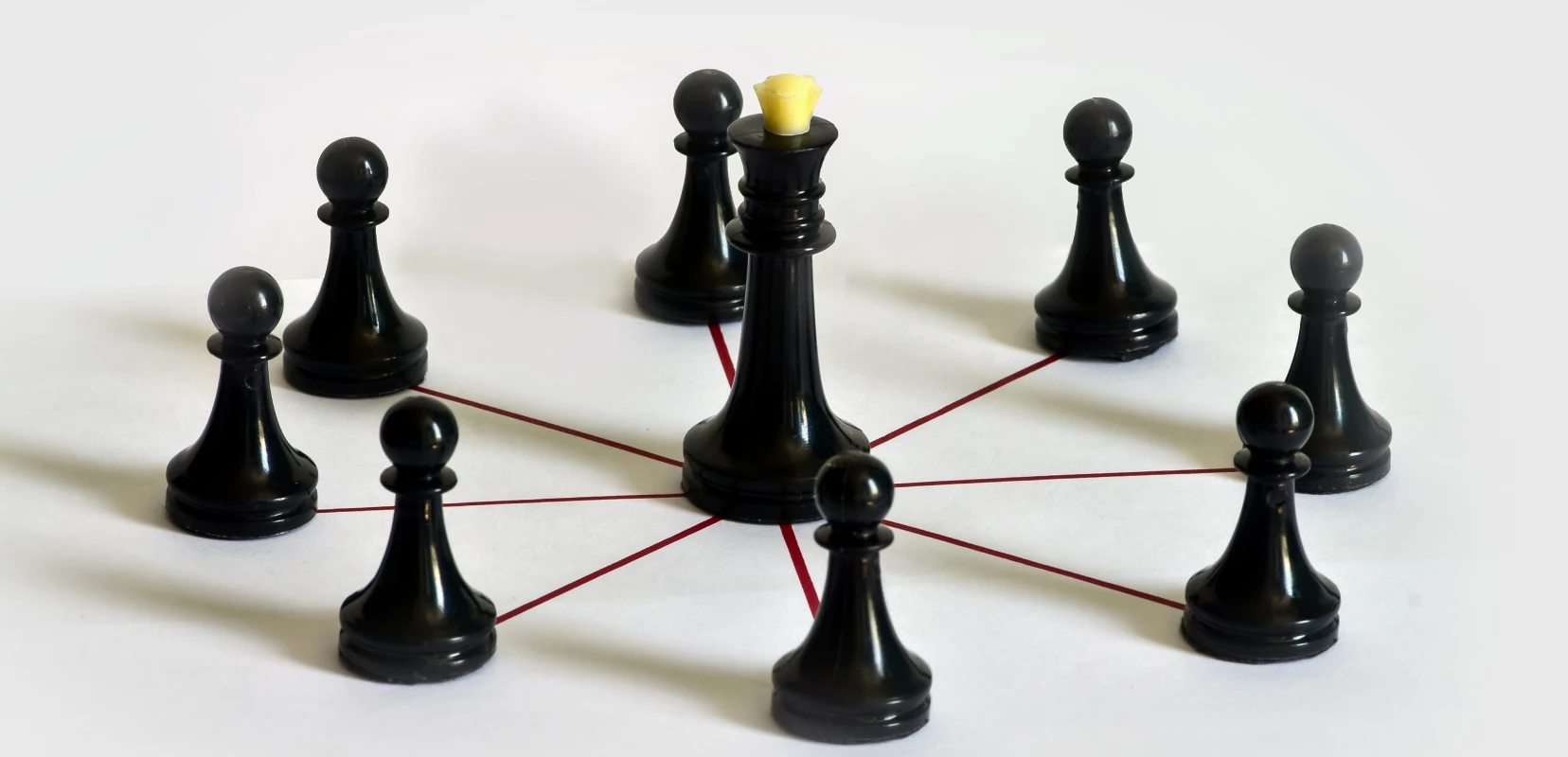
Common Mistakes When Selecting an AS/RS
After years of running sizing studies and rescue projects on bad ones, the same five mistakes show up:
5. Sizing on average throughput, not peak. Operations that look fine at 100 orders/hour average get crushed at 400 orders/hour peak. Always size to peak, not average.
6. Ignoring inbound flow. AS/RS retrieval throughput is half the equation. If you can't put away as fast as you pick, the system starves. Inbound design gets less attention than outbound and pays the price later.
7. Underestimating integration scope. ERP integration, label printing, carrier integration, returns processing — these add 20–30% to project cost and timeline. Many projects ignore them in the budget phase, which is exactly why proper ROI and payback calculation for AS/RS and robotics needs to account for full-scope integration cost, not just equipment.
8. Choosing technology before profiling SKUs. Walking into a vendor and asking 'should I buy a shuttle system?' leads to whatever that vendor sells. Profile your SKUs first — velocity distribution, weight, dimension, cubage — and let the data drive the technology choice.
9. Ignoring redundancy. A single point of failure in a high-volume DC can cost millions per day in lost throughput. Crane-based systems concentrate risk; shuttle and cube-grid systems distribute it. Factor failure modes into the technology decision.
Talk to Us About Your AS/RS Selection
The right AS/RS for your operation depends on data your team probably already has — 12 months of order history, an SKU master, peak vs. off-peak profile, building dimensions. HOWEPROFIT runs technology-agnostic sizing studies that compare 2–4 AS/RS topologies side by side against your specific operational profile. Most studies come back with a clear recommendation and a payback model in 2–4 weeks.
→ Request an AS/RS comparison study.
Frequently Asked Questions
Which AS/RS type has the highest throughput?
Shuttle-based AS/RS leads on throughput per aisle (500–800+ cycles/hour) because each rack level runs in parallel. For total system throughput, large cube-grid installations with many robots can exceed any single-aisle shuttle system.
Which AS/RS type has the highest storage density?
Cube-grid (AutoStore-style) systems achieve the highest density — typically 4x conventional shelving. VLMs are dense in the vertical dimension but limited by single-unit footprint.
What's the cheapest AS/RS to deploy?
VLMs and vertical carousels have the lowest entry cost (USD 40K–200K per unit). Cube-grid and shuttle systems have the lowest cost per cycle at scale.
Can I mix AS/RS types in one warehouse?
Yes, and most real deployments do. A hybrid design typically pairs cube-grid or shuttle for high-velocity SKUs with VLMs or mini-load for slower or specialty inventory. The WMS unifies workflow across types.
How long does each AS/RS type take to install?
VLM: days to weeks. Mini-load: 4–8 months. Shuttle systems: 6–10 months. Cube-grid: 4–8 months. Unit-load: 6–12 months. Software integration usually adds 2–3 months on top of equipment installation.
Which AS/RS is best for cold storage?
Unit-load AS/RS is the most common in cold storage (frozen food, pharmaceutical bulk). Mini-load and shuttle systems also have cold-rated variants for picking-intensive cold operations.
Can AS/RS handle large or oddly-shaped items?
Standard AS/RS types are designed for predictable load envelopes (totes, cartons, pallets). Oversized or irregular items typically sit outside the AS/RS in pallet rack, gantry storage, or other purpose-built solutions, with the WMS managing the unified order picking across all zones.
-

HOWEPROFIT Team
Warehouse Automation Specialists, HOWEPROFIT
The HOWEPROFIT Team consists of senior intralogistics engineers and supply chain experts specializing in advanced AS/RS and robotic fulfillment solutions. Backed by years of field experience across e-commerce, 3PL, and manufacturing sectors, we provide data-driven automation strategies, rigorous throughput simulations, and objective ROI modeling. Our mission is to help facilities seamlessly transition to high-efficiency, reliable, and scalable automated operations.