Warehouse Control System: The Software Layer That Runs an Automated Warehouse
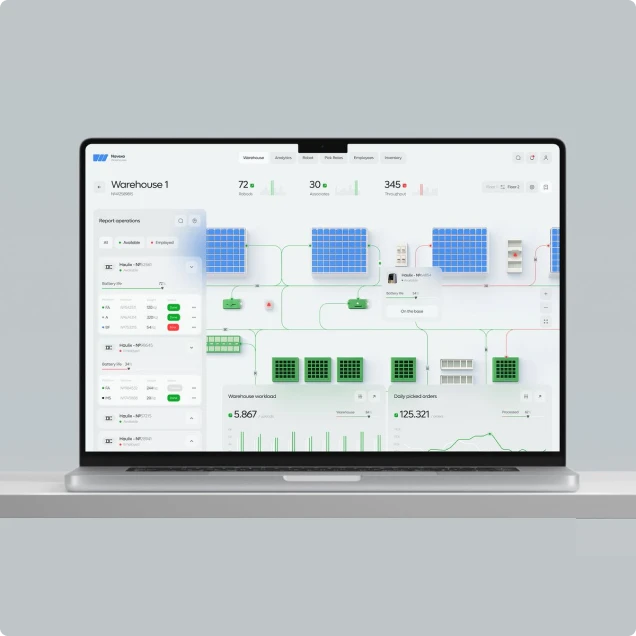
Automated equipment is only as good as the software that coordinates it. A warehouse control system is that software — it turns orders into real-time movements of cranes, shuttles, conveyors, and robots, and keeps the whole floor running without conflicts. This system goes a step further by combining the management layer (WMS) and the control layer (WCS) in one platform. Here is what each layer does, how they fit together, and what to look for when choosing one.
What Is a Warehouse Control System (WCS)?
A warehouse control system is specialized software that directs automated material handling equipment in real time — stacker cranes, shuttles, conveyors, sorters, lifts, and AGVs. It sits between the higher-level WMS and the machines on the floor, receiving instructions about what needs to move and issuing the low-level commands that make the equipment do it: open this aisle, send this shuttle to lane 14, route this load to packing. Without a WCS, automated equipment has no coordinated way to know what to do next.
WMS vs WCS vs WES
Three software layers run a modern warehouse, each with a different job. Knowing which does what makes the stack easier to plan.
| System | Role | Manages | Focus |
|---|
| WMS | The brain | Inventory, orders, locations, strategy | What needs to happen |
| WCS | The nerves | Real-time control of automated equipment | How the machines execute it |
| WES | The coordinator | Workflow and task execution between the two | Balancing and sequencing work |
In many operations these are separate products that must be integrated. This system combines the WMS and WCS layers, with execution logic built in, so the planning and the control share one data model instead of passing messages across a boundary.
Why an Integrated WMS + WCS Matters
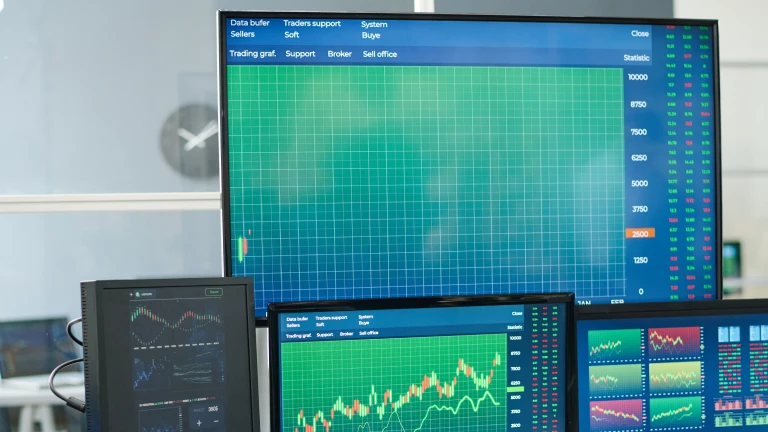
When the WMS and WCS come from different vendors, the integration between them is where projects slow down and errors appear. Orders and equipment status have to be synced constantly, and a lag or a mismatch shows up as a stalled crane or a wrong pick. With both layers in one platform, an order becomes an equipment task directly, inventory updates the moment a load moves, and there is no third-party interface to build and maintain. That shortens deployment and removes a common source of downtime.
How the Control Layer Drives Automation
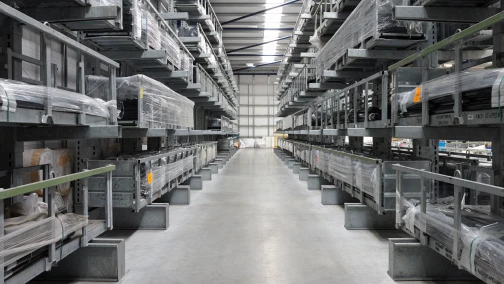
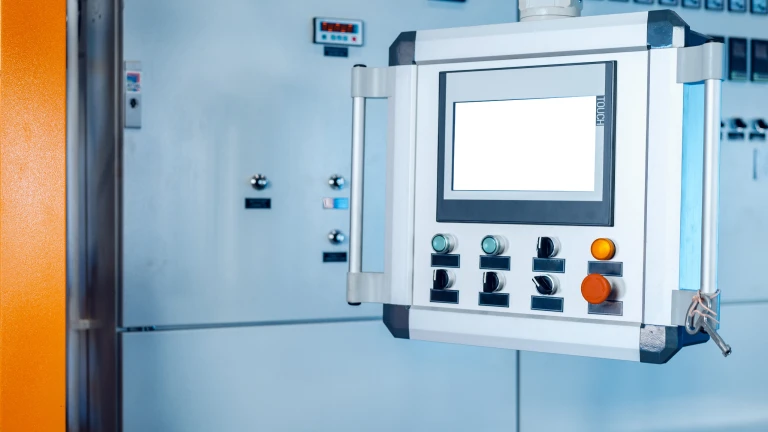
The control layer holds a live model of every piece of equipment and every load. When work is released, it assigns tasks to the right machines, sequences moves so cranes and shuttles do not conflict, and routes loads through conveyors and lifts to the pick or dispatch point. Idle equipment is dispatched to the next job automatically, and load is balanced across the fleet. It coordinates our unit-load ASRS cranes, four-way shuttle fleets, mini load systems, and AGVs as one operation.
Connecting ERP, WMS, WCS, and Equipment
A working automated warehouse is a stack: ERP at the top for purchasing, material, product, and finance data; the WMS layer for inventory and orders; the WCS layer for equipment control; and the machines at the bottom. This system connects all four. It exchanges data with your ERP over standard interfaces, so warehousing and production share one live record, and it drives the equipment directly, so there is no gap between a planned order and the load that fulfills it. The result is one continuous flow from a purchase order to a shipped pallet.
What to Look for in a Warehouse Control System
When comparing systems, weigh these points:
- Whether it integrates the WMS and WCS layers or needs a separate WMS
- The range of equipment it can control — cranes, shuttles, conveyors, AGVs
- Its ability to coordinate mixed, multi-vendor automation as one fleet
- Standard ERP interfaces and how cleanly data flows both ways
- Real-time inventory accuracy, traceability, and cycle counting
- Configurability of strategies, slotting, and reporting to your processes
Integration with ASRS, Shuttles, and Robots
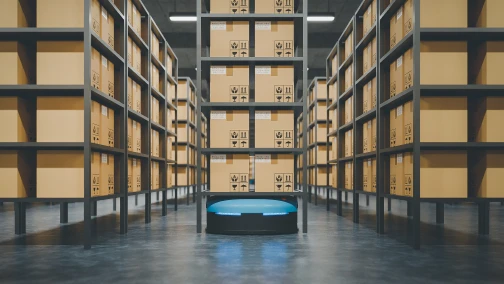
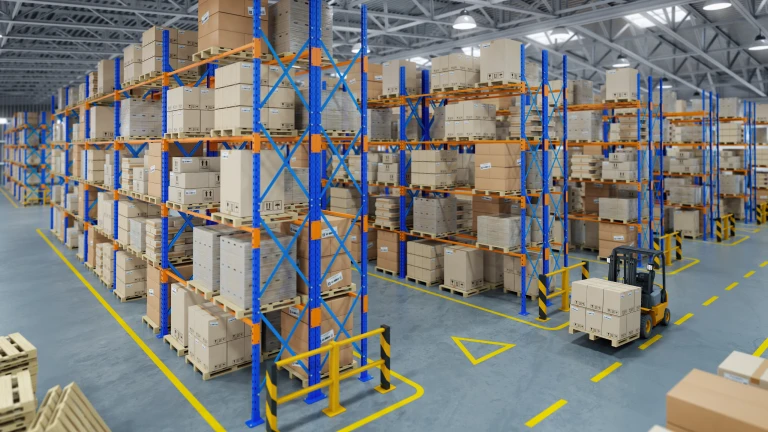
The system is designed to run our full equipment range together. It dispatches stacker cranes for heavy unit loads, four-way shuttles for dense tote storage, mini load cranes for small parts, and AGVs for transport, sequencing them so the warehouse works as one coordinated operation. Because the control logic and the inventory management share one platform, adding equipment or aisles is a configuration step, not a new integration project, which keeps the automated warehouse scalable as volume grows.