Search

Enter keywords to search for products, blog posts, and more.

High-Speed Bin Robot for Automated Warehouse Storage

Mobile Pallet Racking System for High-Density Storage


One Aisle, Up to 130% More Capacity

Racks ride on powered rails and compact together, opening only the one aisle you need. Removing the fixed aisles that eat most of a warehouse raises storage capacity by 80-130% in the same building — no expansion, no move.


Direct Access to Every Pallet

Unlike drive-in or deep-lane storage, every pallet stays directly accessible. Open the target aisle and reach any position straight away, so the system suits a wide SKU mix, not just bulk single-product lanes.


Shuttle Automation & AI Slotting

An in-rack shuttle handles storage and retrieval, and the WMS slots fast-moving SKUs near the exit on its own. That keeps picking quick and inventory accurate to 99.99%, with the racks running unmanned.


Fits Low-Ceiling, Tight Floors

Built for warehouses that can't build up — limited floor and low ceilings, like retail back-of-store, parts rooms, and small factory stores. It turns wasted aisle space into stock without touching the roof line.


Fits Low-Ceiling, Tight Floors

Elevating Density with Heavy-Duty Mobile Pallet Racking Systems

Mobile Pallet Racking +80-130% Capacity Single Working Aisle Direct Pallet Access Shuttle Automation WMS Controlled

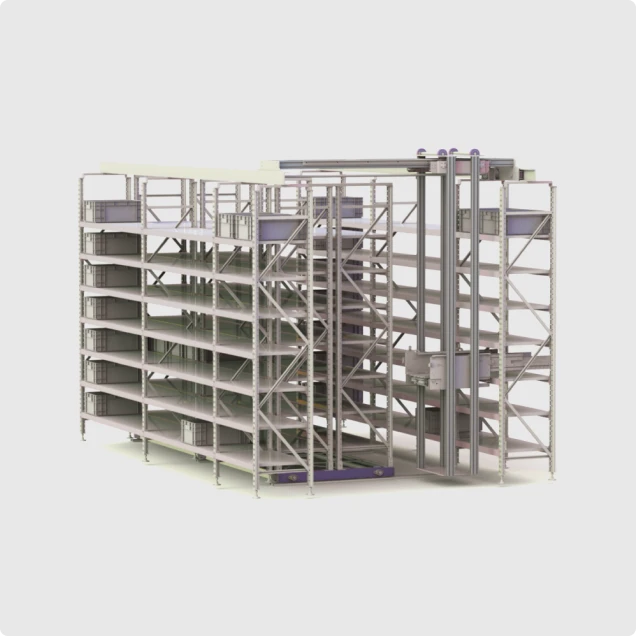
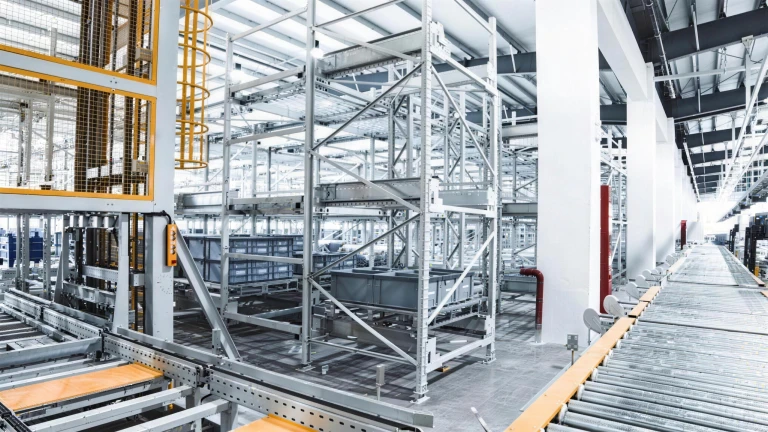
HOWEPROFIT mobile pallet racking is a high-density storage system that mounts racks on powered, rail-guided bases. The racks compact together and open a single working aisle wherever stock is needed, turning the floor space that fixed aisles waste into storage — raising capacity by 80-130% in the same building. An in-rack shuttle handles storage and retrieval, and the WMS runs FIFO with AI slotting that moves fast SKUs near the exit, holding inventory accuracy at 99.99%. Designed for warehouses with limited floor and low ceilings — retail stores, parts rooms, and small factory storerooms — it keeps direct access to every pallet while removing the aisles, the wasted space, and the manual searching.


· Racks compact on floor rails, one working aisle at a time
· 80-130% more capacity in the same footprint
· Direct access to every pallet, not deep-lane buried
· In-rack shuttle handling with AI slotting of fast SKUs
· 99.99% inventory accuracy under WMS/WCS
· FIFO and batch control for mixed-SKU operations
· Fits low ceilings and tight floors — no building up
· Lowers cold-storage energy, only the open aisle is conditioned
· Unmanned operation; staff move to monitoring and maintenance
· Safety sensors and photo beams guard the moving aisles

Engineering & Support


Site Survey: floor area, ceiling height, SKU and pallet profile, and WMS interface mapping
Lead Time: about 90-120 days from approved layout to commissioning
Install: floor rails, carriages, racking, and shuttle install with testing and operator training
Warranty: 12 months on parts and labor, with ongoing engineering support
Service: 24/7 remote diagnostics, with engineers on site within 48 hours
Spares: carriage, drive, and shuttle wear parts held in stock for fast dispatch

Specifications

ParameterSpecification
Storage TypeMobile racking on powered, rail-guided carriages
Space Utilization Gain+80-130% vs conventional racking
Aisle ConfigurationSingle working aisle (multi-aisle optional)
Rack MovementPowered carriages on embedded floor rails
Pallet AccessDirect access to every position
Goods HandlingIn-rack shuttle (automated) or forklift access
Inventory Accuracy99.99% under WMS
Control SystemWMS / WCS with FIFO and AI slotting
Operation ModeUnmanned 24/7 in shuttle configuration
SafetyAisle-entry sensors, photo beams, anti-collision
Temperature RangeAmbient, chilled, and freezer (configurable)
Best-Fit BuildingsLimited floor area, low ceiling height
Typical ApplicationsRetail, parts rooms, factory stores, cold storage


Application Scenarios

Retail & Distribution Stockrooms

Factory Parts & Hardware Stores

Cold & Chilled Storage


Turn Aisles Into Storage

Fixed aisles can take up to 60% of a warehouse floor. Mobile pallet racking puts every rack row on a powered carriage that glides on floor rails, so the rows close up and open just one aisle at the location being worked. That recovers the lost aisle space and lifts capacity by 80-130% without adding a single square meter of building.

· Racks compact on floor rails
· One working aisle at a time
· 80-130% more capacity
· No building expansion needed


Keep Full Pallet Selectivity

Most high-density systems trade access for density — drive-in and deep-lane bury pallets behind each other. Mobile racking keeps every pallet directly accessible: open the aisle you need and reach any position. That makes it the rare dense system that still handles a broad SKU mix and FIFO, not just bulk single-product storage.

· Direct access to every pallet
· Broad SKU mix supported
· FIFO and batch control
· Dense without losing selectivity


Automated Handling, Smart Slotting

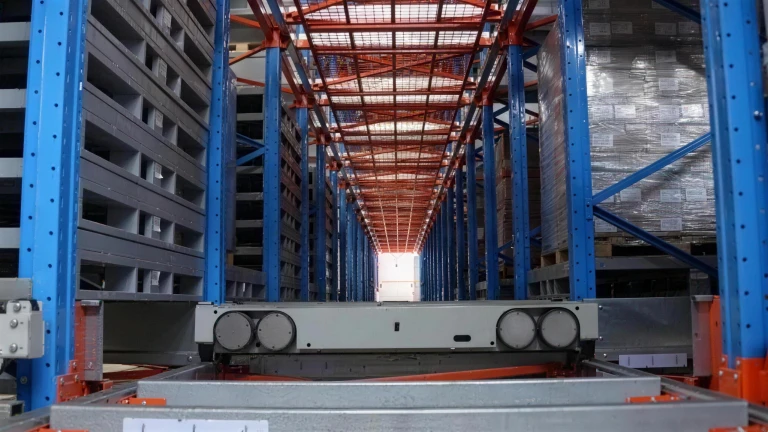
Standard mobile racking still needs a forklift in the aisle. This version adds an in-rack shuttle that stores and retrieves loads, with a WMS that runs the racks and slots hot SKUs near the exit on its own. Inventory stays accurate to 99.99%, and the system runs unmanned around the clock.

· In-rack shuttle handling
· AI slotting of fast SKUs
· 99.99% inventory accuracy
· Unmanned 24/7 operation


Density Without Building Up

Tall vertical systems need height a lot of buildings do not have. Mobile racking gains density on the floor instead, so it fits low-ceiling, tight spaces — retail back rooms, parts stores, and small factory storerooms. It also lowers cold-storage running cost, since only the open aisle's volume needs conditioning.

· Works under low ceilings
· Fits small, tight floors
· Lower cold-storage energy
· Retail, parts, factory stores

More About HOWEPROFIT

HOWEPROFIT is a warehouse automation system integrator with 15+ years of experience serving manufacturers and logistics operations. Our integrated solutions combine WMS/RCS software, warehouse robots, and automation equipment to maximize space efficiency and operational productivity. With 60%+ R&D personnel, we've delivered 600+ projects across 100+ industries, specializing in electronics, pharmaceuticals, e-commerce, textiles, and manufacturing sectors.

About Us Certifications Solutions

FAQs

How much extra storage does mobile pallet racking add?

Mobile pallet racking typically raises storage capacity by 80-130% in the same footprint, or lets you hold the same stock in roughly half the space. The gain comes from removing fixed aisles — which can take up to 60% of a warehouse floor — and opening just one working aisle at a time. The exact figure depends on your current layout, SKU mix, and access needs, which we model during design.

Does mobile racking keep access to every pallet?

Yes, and that is its main advantage over other dense systems. Drive-in and deep-lane racking store pallets behind each other, so access is limited. Mobile racking keeps every pallet in a directly accessible position: the racks open the aisle you need and you reach any location straight away. That makes it suitable for a wide SKU mix and for FIFO, not just bulk single-product storage.

How is this different from drive-in or deep-lane racking?

Drive-in and deep-lane racking trade access for density — they pack pallets deep but bury most of them, so they only suit a few SKUs with many pallets each. Mobile racking gets similar density by removing aisles instead of stacking deep, while keeping direct access to every pallet. It fits operations with many SKUs and moderate turnover that still need selectivity.

Can it work in low-ceiling or cold storage spaces?

Yes to both. Because it gains density on the floor rather than by building tall, it fits low-ceiling buildings where vertical systems do not. It is also a strong cold-storage solution: compacting the racks shrinks the air volume that has to be cooled, so only the open aisle's space needs conditioning, which lowers refrigeration cost while raising pallet density in the chamber.

How do the shuttle and WMS automation work?

An in-rack shuttle carries goods to and from the racks, while the WMS and WCS decide where each load goes and which to retrieve. The WMS runs FIFO and uses AI slotting to move fast-moving SKUs near the exit, cutting travel. Every move is logged, so inventory stays accurate to 99.99% and the racks can run unmanned, with staff moved to monitoring and maintenance.

Mobile Pallet Racking: High-Density Storage Without Building Up

Most ways to add storage mean building higher or moving to a bigger warehouse. Mobile pallet racking does neither. It puts your rack rows on powered carriages that slide on floor rails, so the rows compact together and open only the one aisle you need. The space that fixed aisles used to waste becomes storage. Here is how it works, how it compares to other dense systems, and where it fits best.

What Is Mobile Pallet Racking?

Mobile pallet racking — also called compact or high-density pallet racking — is standard pallet racking mounted on motorized bases that run on rails set into the floor. Instead of an aisle between every two rows, the rows sit closed together and open a single working aisle wherever stock is being put away or picked. It keeps the direct pallet access of selective racking while reaching the density of compact systems, which is an unusual combination.

How It Works

Each rack row stands on a powered carriage. The carriages glide along heavy steel rails embedded in the floor, moving the rows apart to open an aisle and back together to close it. An operator or the control system opens the target aisle, and stock is stored or retrieved. In this system an in-rack shuttle does the handling and the WMS runs the movement, so the right aisle opens and the right load is picked without a forklift driving in.

The Space Math: Why Aisles Waste So Much

In a conventional layout, the aisles between rows can take up to 60% of the warehouse floor. Every aisle is empty space kept open just in case someone needs to reach a pallet. Mobile racking removes all but one of those aisles, because the rows only separate where access is needed right now. Recovering that floor is what lifts capacity by 80-130% in the same building — often enough to delay or cancel an expansion.

Mobile Racking vs Drive-In, Deep-Lane, and Static Racking

Dense storage usually forces a choice between density and access. The table shows where mobile racking sits.

SystemDensityPallet AccessBest Fit
Mobile pallet rackingHigh (+80-130%)Direct to every palletMany SKUs, limited floor, selectivity needed
Drive-in rackingHighLimited, deep lanesFew SKUs, many pallets each
Deep-lane / push-backHighFront position onlyBulk lanes, FILO or FIFO
Static selective rackingLowDirect to every palletBroad SKU mix, ample floor


When the loads are heavy and you can build up, a unit-load ASRS stores vertically instead; for small parts in totes, a mini load system goes high. Mobile racking is for gaining density on the floor when height is limited.

Manual, Powered, and Shuttle-Automated Options

Mobile racking comes at different automation levels. Mechanical-assist systems use a hand crank to move light rows. Powered systems move the carriages with a motor and a button or remote, which suits heavier pallet loads. The most automated version, used here, adds an in-rack shuttle and WMS control so storage and retrieval run without a forklift or operator in the aisle. The right level depends on load weight, throughput, and how much you want to automate.

Why It Suits Low Ceilings and Cold Storage

Tall ASRS needs height, and many buildings — retail back rooms, older factories, leased units — do not have it. Mobile racking gains density on the floor, so it works under a low roof line. It is also one of the best cold-storage options: compacting the rows shrinks the air volume to be cooled, so refrigeration runs over less open space. For food, beverage, and pharma cold stores, that cuts a major running cost while raising pallet density.

How to Tell If It Fits Your Operation

Mobile pallet racking is worth modeling when several of these are true:

  • The warehouse is full but the building cannot easily expand
  • Ceilings are too low for a tall vertical system
  • Aisles take a large share of the floor
  • You have many SKUs and still need access to every pallet
  • It is a cold or chilled store where cooled volume is costly
  • You would rather convert existing space than build or relocate

Integration with WMS and Automation

The system runs under a WMS and WCS that track every pallet by location and decide which aisle to open and which load to move. The WMS runs FIFO and uses AI slotting to keep fast-moving SKUs near the exit, cutting travel and cycle time. With the in-rack shuttle handling goods, inventory updates in real time and stays accurate to 99.99%, and staff shift from manual picking to monitoring and maintenance. The system links to your ERP so stock data stays consistent from inbound to dispatch.