The Multi-Layer Software Challenge
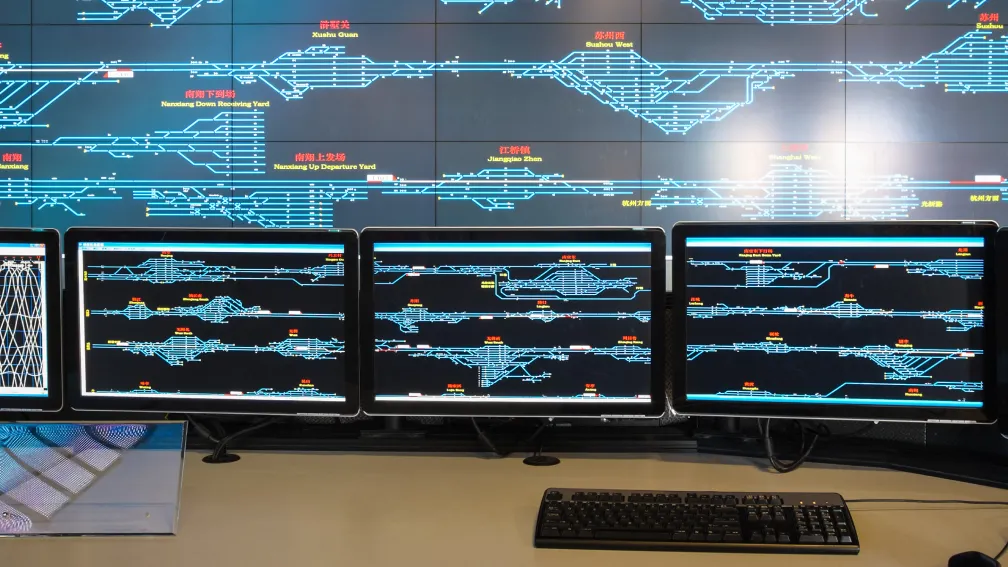
When industrial facilities scale their automated material handling systems, hardware is only half the implementation equation. A warehouse may deploy high-speed bin robots, heavy-duty stacker cranes, and automated conveyors, but without rigorous software coordination, these physical assets operate as disconnected islands. The core architectural challenge of modern intralogistics lies in bridging enterprise-level business planning with real-time equipment execution across multiple software tiers.
Confusion frequently arises in Request for Proposals (RFPs) and vendor evaluations regarding the distinct boundaries of warehouse software layers. Terms such as WMS, WCS, WES, and RCS are frequently interchanged, masking the reality that each tier executes a fundamentally different temporal horizon and functional scope. Deploying automation without defining these software relationships often results in overbuying unnecessary orchestration or underbuying critical fleet control capabilities. This analysis details the functional boundaries, data flow protocols, and integration methodologies required to synchronize inventory planning with physical machine execution.
The Functional Hierarchy of Warehouse Software
Warehouse automation software operates as a hierarchical stack, passing instructions downward and reporting operational status upward:
| Software Layer | Primary Operational Focus | Temporal Horizon | Controlled Domain |
| ERP / MES | Enterprise resource planning & production scheduling | Days to months | Business data, master inventory, production orders |
| WMS | Inventory management & order planning | Minutes to hours | Database records, task allocation, labor tracking |
| WCS | Fixed equipment command and control | Milliseconds to seconds | Conveyors, sorters, AS/RS stacker cranes |
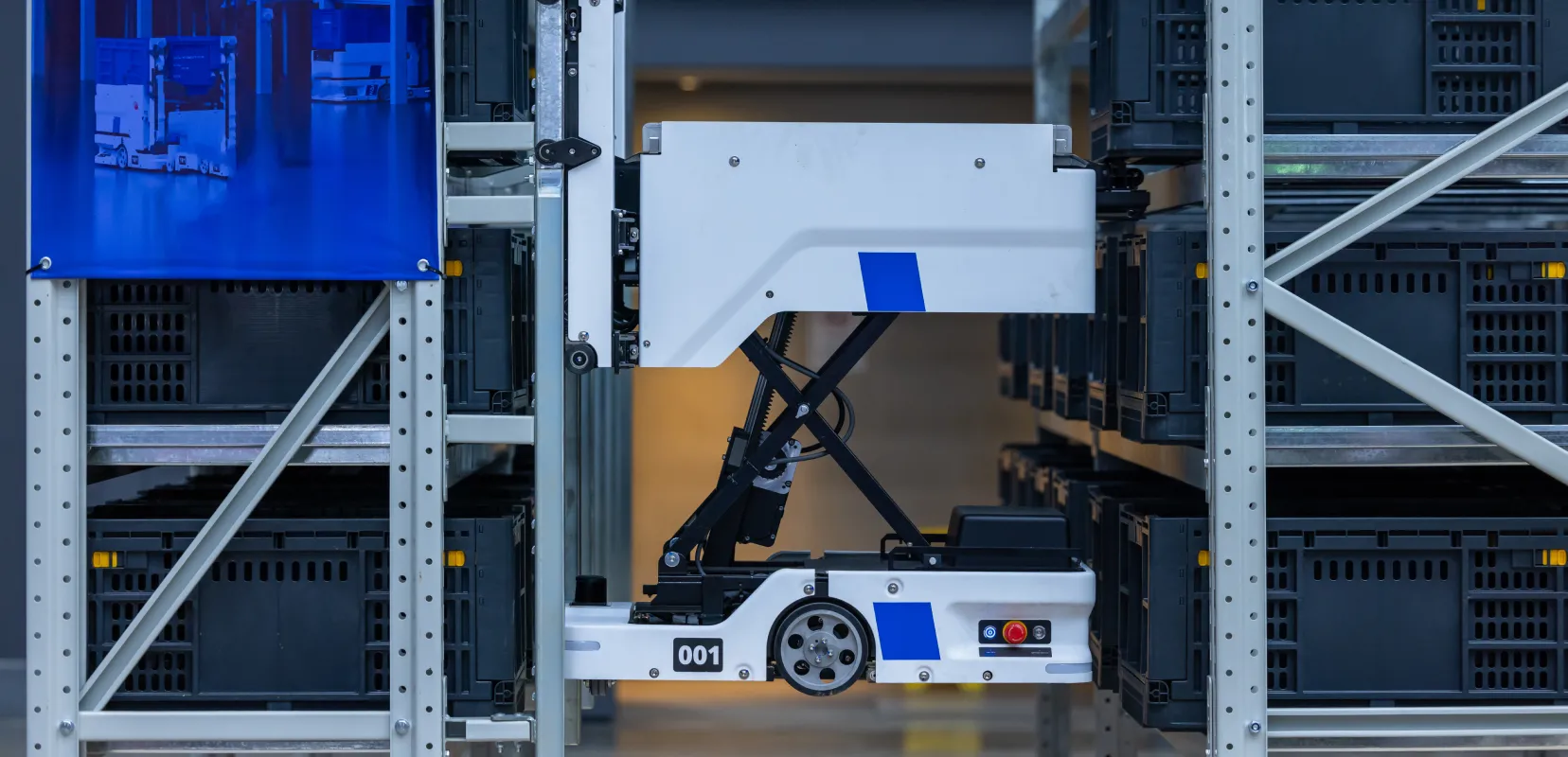
| RCS | Autonomous robot fleet coordination | Milliseconds to seconds | AMRs, AGVs, four-way shuttles, bin robots |
WMS: The Inventory and Order Planning Brain
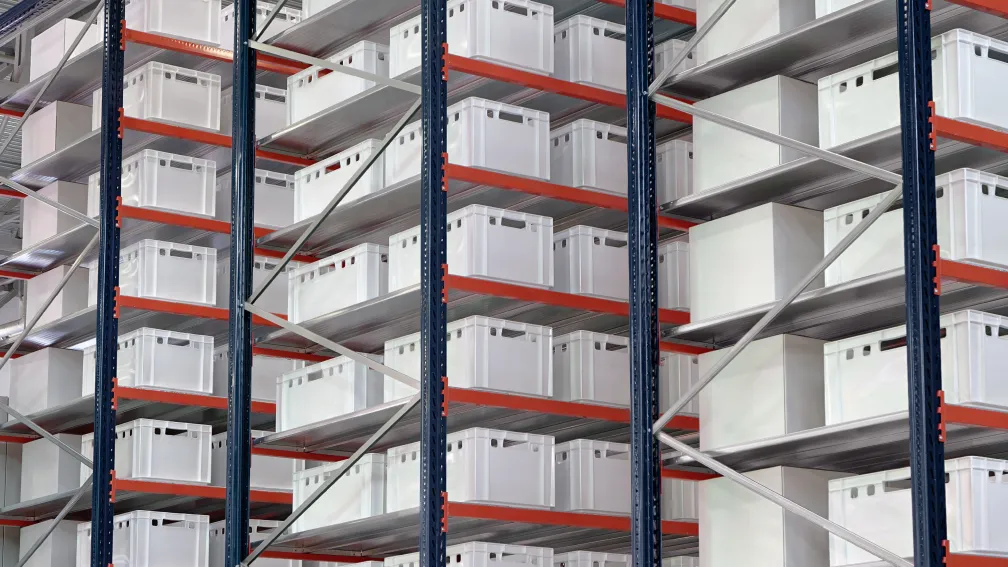
The Warehouse Management System serves as the foundational system of record for inventory and order execution. It manages the lifecycle of goods entering, moving through, and leaving the facility: receiving, put-away, slotting optimization, order allocation, picking waves, packing, and shipping. Operating on a planning horizon of minutes to hours, the WMS determines which orders should be released, where specific SKUs should be stored to optimize retrieval paths, and how labor resources should be allocated across shifts.
However, a WMS is deliberately isolated from physical machinery control. It does not drive motors, route cartons down specific conveyor diverts, or calculate obstacle avoidance vectors for mobile robots. When an order requires physical execution by automated hardware, the WMS hands off the task parameters to the operational execution layers.
WCS and RCS: The Execution and Fleet Layers
Once planning is established, execution relies on device-specific control systems designed for extreme speed and determinism.
WCS for Fixed Automation
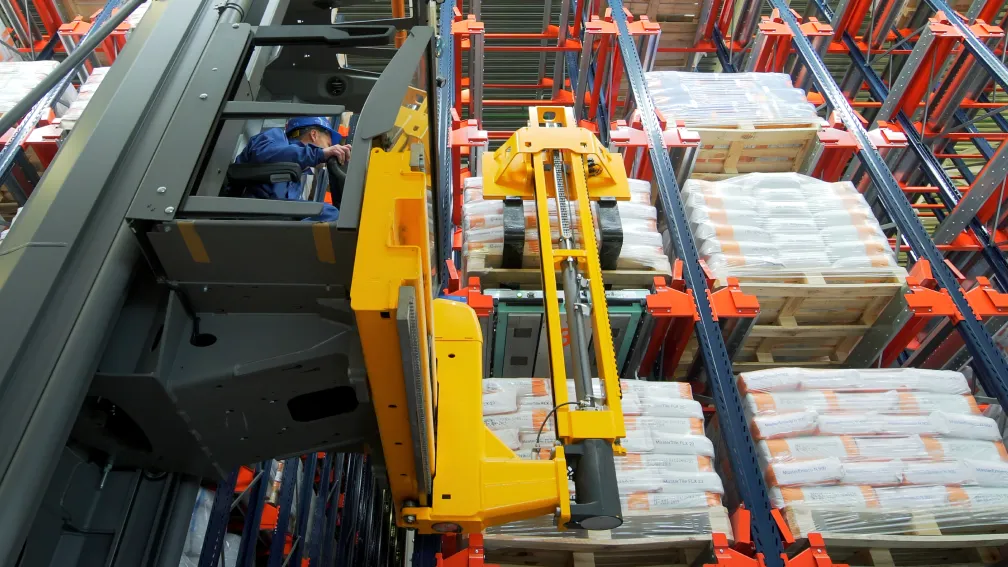
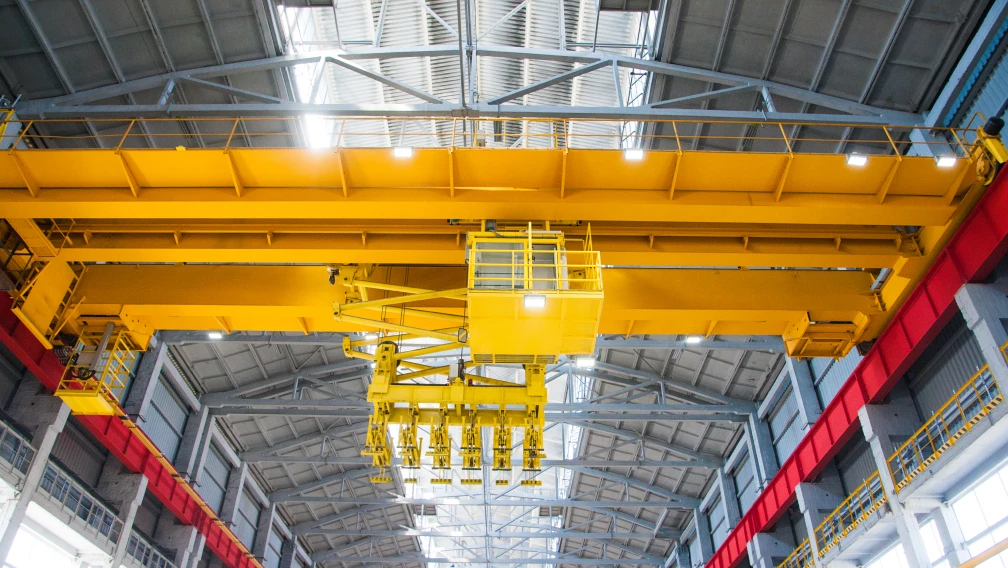
The Warehouse Control System translates high-level task instructions into real-time mechanical commands for fixed assets such as conveyors, palletizers, and crane-based systems like a Unit-Load AS/RS or Miniload AS/RS. It operates in milliseconds, ensuring that physical devices execute precise start, stop, index, and divert sequences without mechanical collisions.
RCS for Mobile Robot Fleets
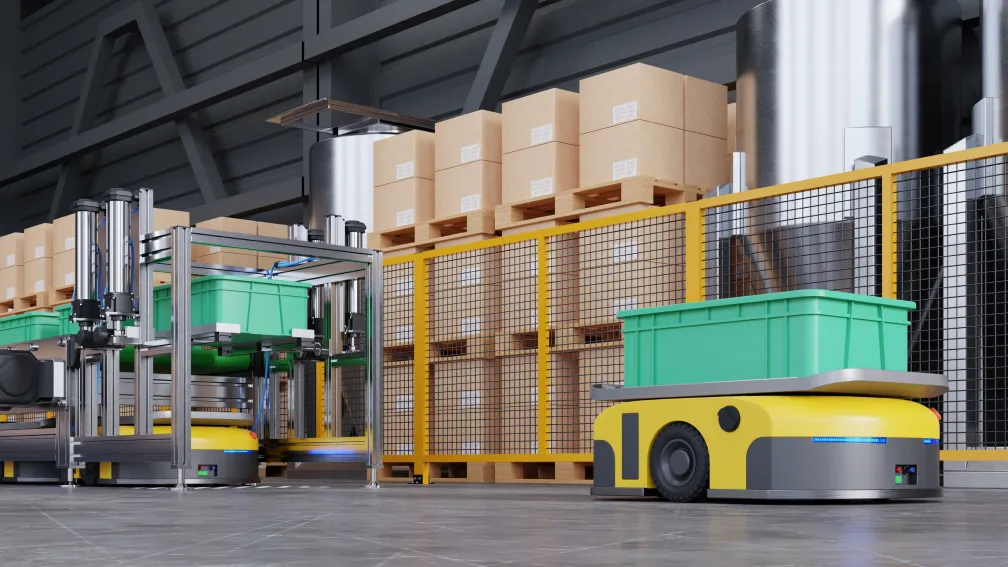
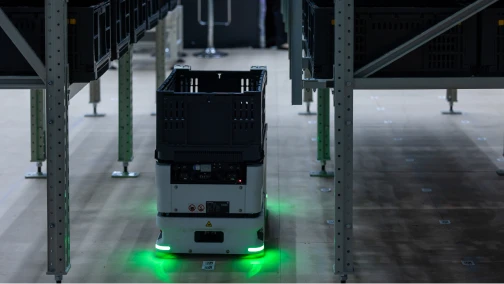
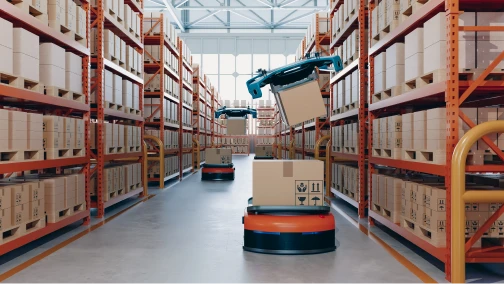
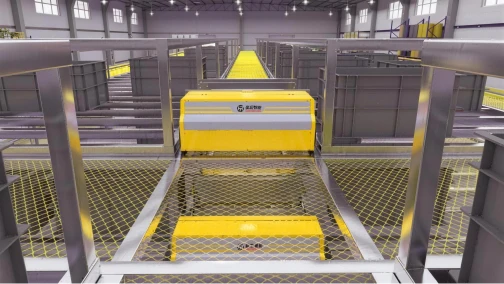
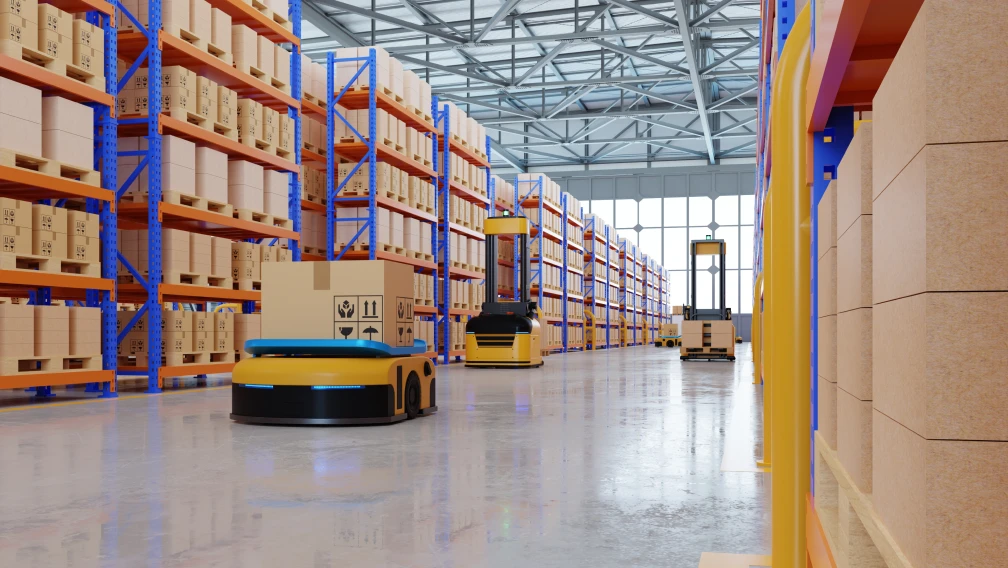
As light-load automation and mobile robotics expanded across distribution centers, a dedicated fleet coordination tier became mandatory. The Robot Control System (RCS)—often functioning as specialized fleet management software—coordinates autonomous mobile robots (AMRs), automated guided vehicles (AGVs), and four-way shuttle systems as a unified operating unit. The RCS handles dynamic path planning, intersection collision avoidance, dead-lock resolution, and battery charging schedules across multi-vendor or multi-tier robot populations.
Data Integration Protocols and API Standards
The effectiveness of an automated warehouse depends entirely on the cleanliness of its data interfaces. Disconnected software systems create latency, inventory discrepancies, and system stalls.
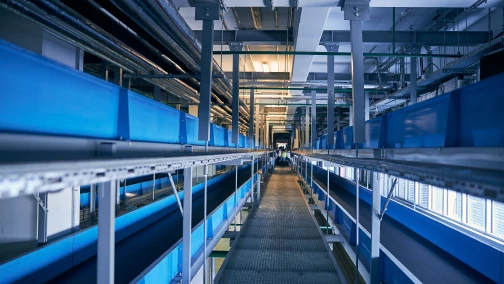
Modern automation architecture relies on standardized RESTful APIs and real-time messaging protocols to maintain seamless communication between the ERP, WMS, and physical control layers. When an order is placed in the enterprise software, standard API payloads transmit order lines and item dimensions down to the WMS. The WMS validates inventory availability and translates the order into structured picking tasks. For facilities deploying advanced light-load storage, such as a High-Speed Bin Robot network, the control layer processes thousands of simultaneous location requests per minute, returning real-time status updates back up the stack to maintain 99%+ inventory accuracy.
Achieving Operational Resilience Through Layered Architecture
A properly integrated software stack provides systemic resilience. If an individual machine component—such as a stacker crane or an autonomous shuttle—encounters a mechanical fault, the lower-level control software isolates the affected node. The system immediately reroutes traffic around the barrier or reallocates storage tasks to active aisles, preventing localized hardware issues from causing catastrophic facility downtime.
Designing an automation project requires balancing software capabilities against the physical complexity of the material flow. By selecting integrated software platforms that cleanly connect inventory planning with robot fleet execution, industrial facilities achieve predictable, scalable throughput.
→ Contact HOWEPROFIT’s software engineering team to evaluate your warehouse control architecture and integration requirements.
-

HOWEPROFIT Team
Warehouse Automation Specialists, HOWEPROFIT
The HOWEPROFIT Team consists of senior intralogistics engineers and supply chain experts specializing in advanced AS/RS and robotic fulfillment solutions. Backed by years of field experience across e-commerce, 3PL, and manufacturing sectors, we provide data-driven automation strategies, rigorous throughput simulations, and objective ROI modeling. Our mission is to help facilities seamlessly transition to high-efficiency, reliable, and scalable automated operations.