The Structural Volatility of Third-Party Logistics
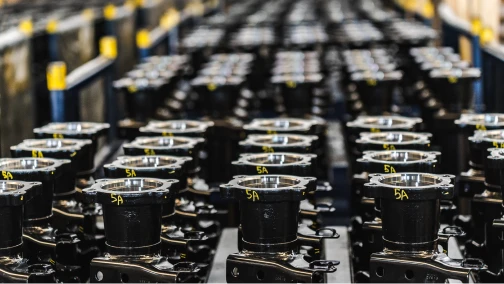
Third-Party Logistics (3PL) providers operate in an environment defined by extreme operational volatility. Unlike dedicated manufacturing or proprietary retail distribution centers, a 3PL facility does not control its inbound SKU profile. A single distribution center may simultaneously manage heavy automotive spare parts for one client, temperature-sensitive cosmetics for another, and high-velocity fast fashion for a third. Client contracts turn over, seasonal peaks diverge, and fulfillment Service Level Agreements (SLAs) vary from wholesale pallet routing to direct-to-consumer split-case picking.
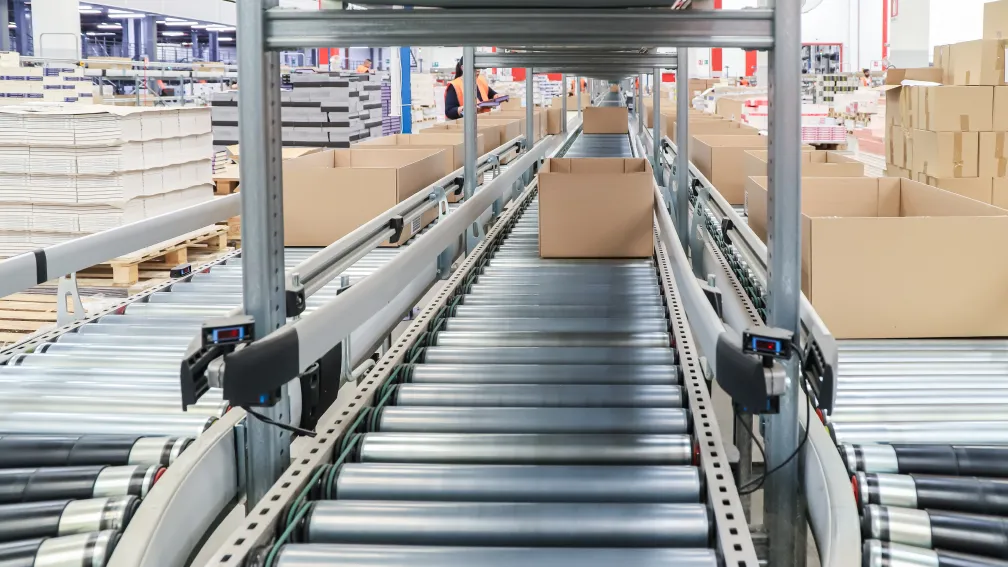
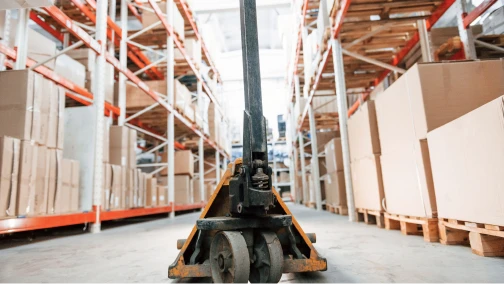
Attempting to manage this continuous volatility with conventional manual intralogistics inevitably destroys operating margins. To scale throughput in a manual Person-to-Goods (P2G) facility, a 3PL must scale its labor force linearly. This exposes the operation to severe wage inflation, high temporary-labor turnover, and crippling error rates during peak promotional surges like Black Friday. Furthermore, manual static racking configurations require standard dimensions, forcing 3PLs to waste massive cubic volume when accommodating non-standard client goods.
Automating a 3PL facility requires a fundamental departure from rigid, single-purpose engineering. Deploying an Automated Storage and Retrieval System (AS/RS) in this sector demands hybrid kinematic architectures, modular scalability, and—most critically—a multi-tenant software orchestration layer capable of absolute logical segregation. This document details the mechanical frameworks and digital integration methodologies required to engineer a profitable, multi-client automated fulfillment center.
Standardizing the Non-Standard: Hybrid AS/RS Architecture
Because a 3PL cannot dictate the physical dimensions of the products its clients ship, the automation system must standardize the handling container rather than the product itself. This is achieved through a hybrid hardware deployment that separates bulk storage from high-speed fulfillment.
Bulk Pallet Reserve and Cross-Docking
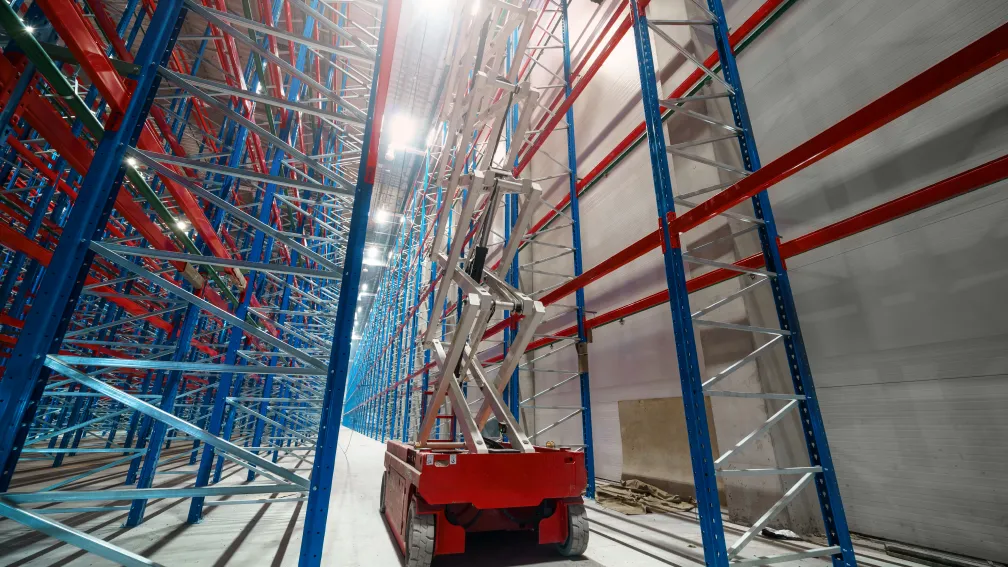
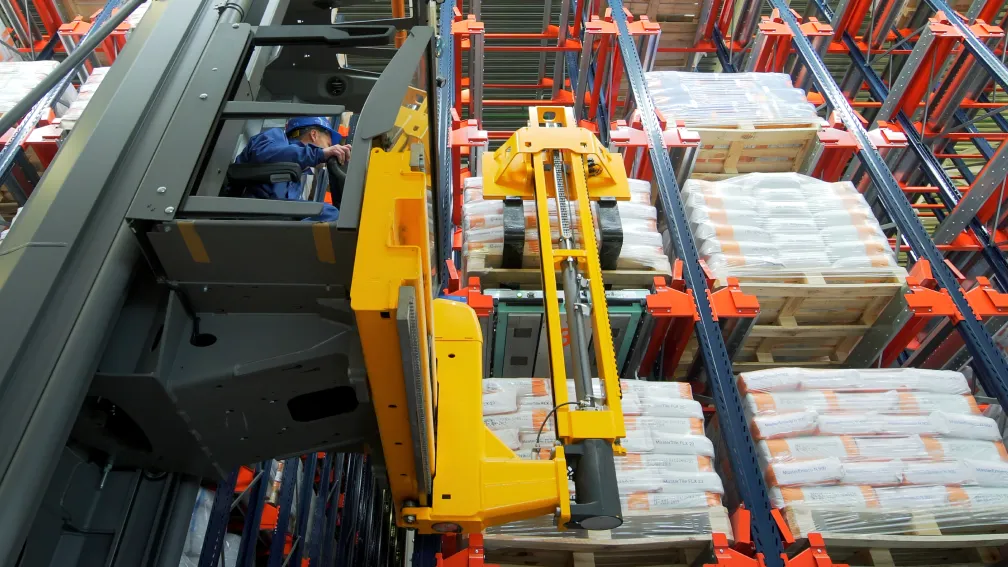
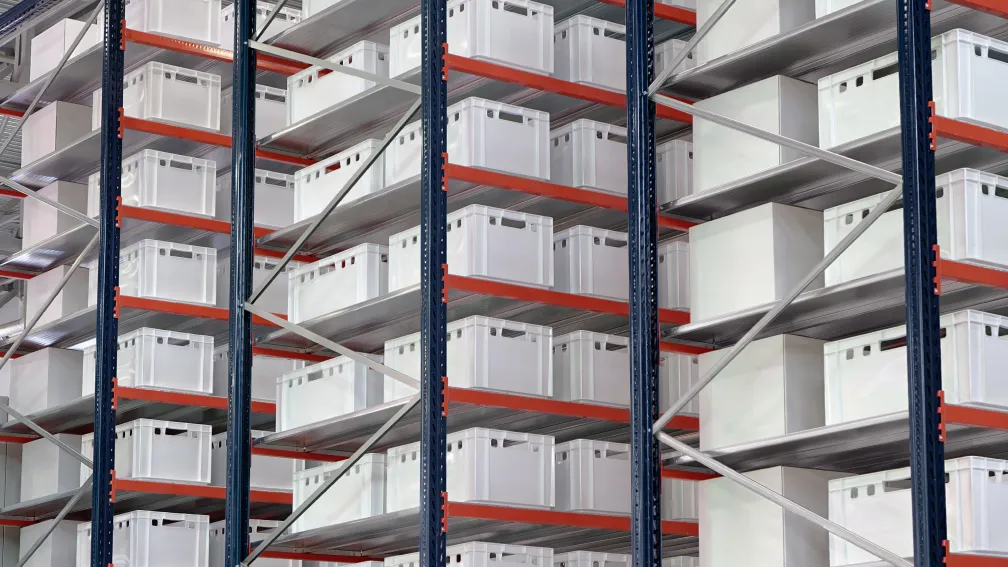
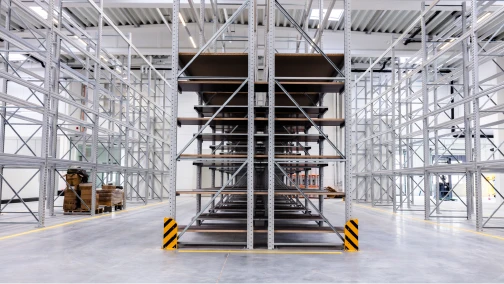
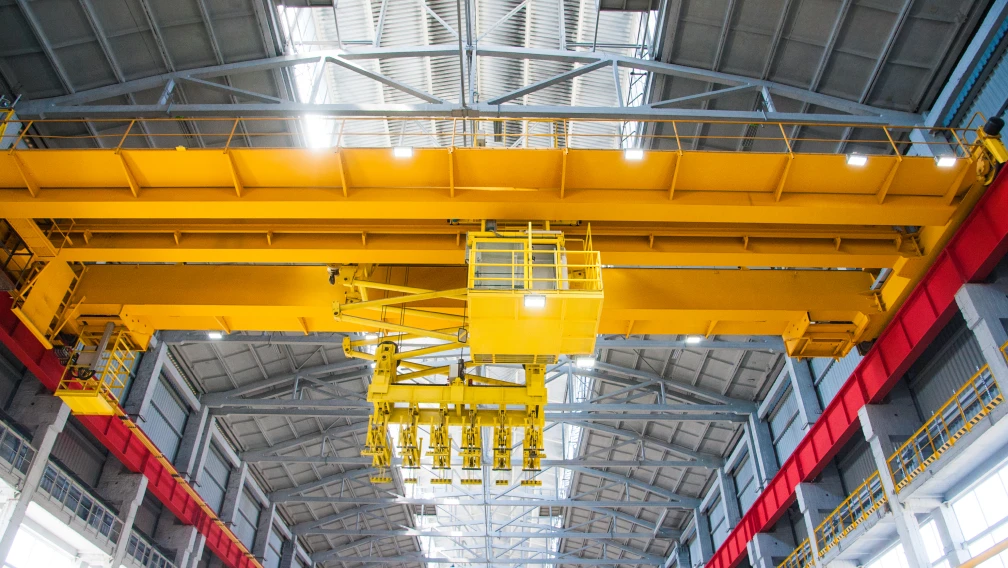
Inbound client freight typically arrives on standard or oversized pallets. The primary buffer for these goods is a Unit-Load AS/RS. Utilizing heavy-duty stacker cranes running in high-bay aisles, this system acts as the facility's dense reserve. For B2B wholesale clients, the WMS directs the crane to retrieve full pallets for direct cross-docking to outbound shipping. For B2C e-commerce clients, the Unit-Load system acts as the replenishment engine for the downstream picking grid.
Decanting and Split-Case Picking Grids
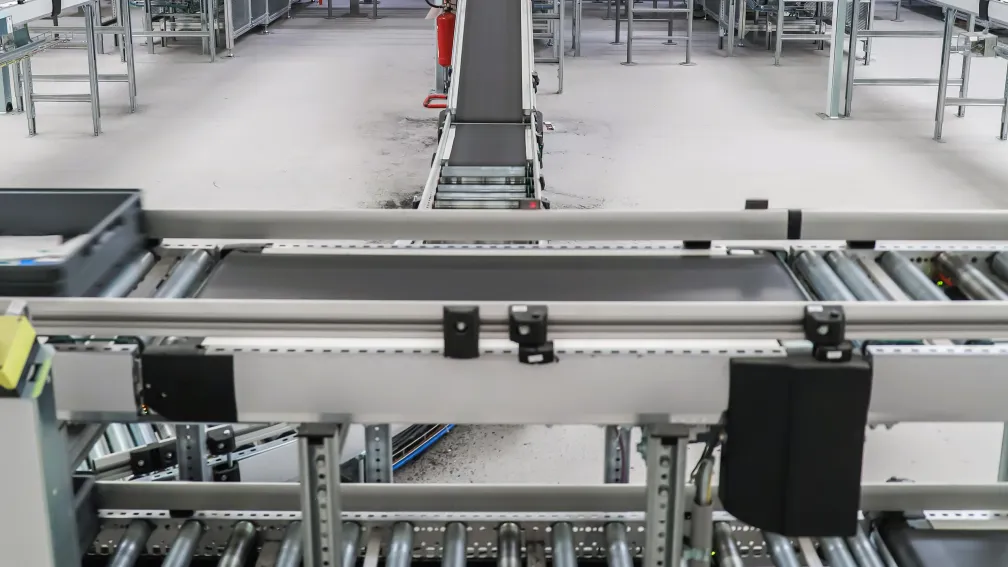
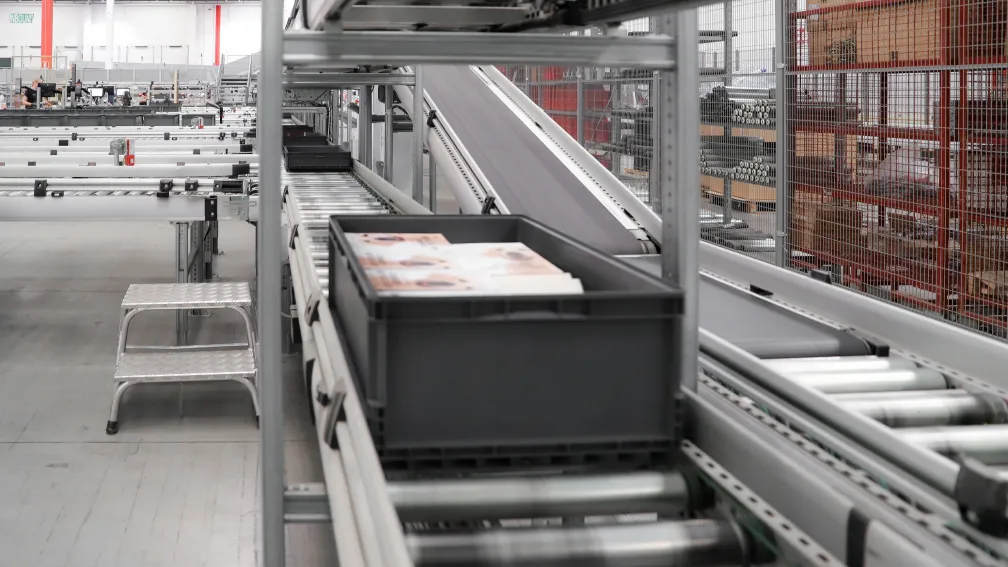
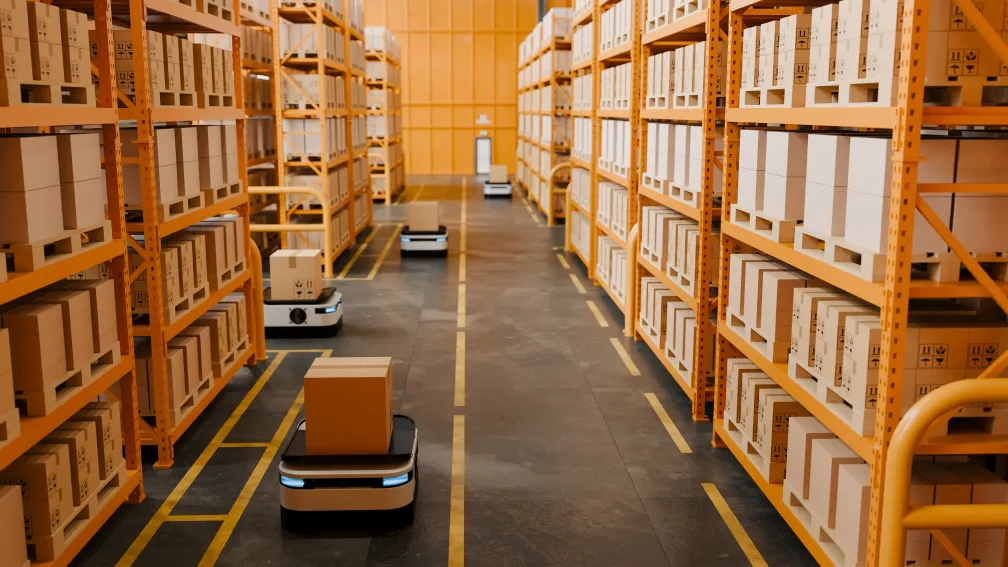
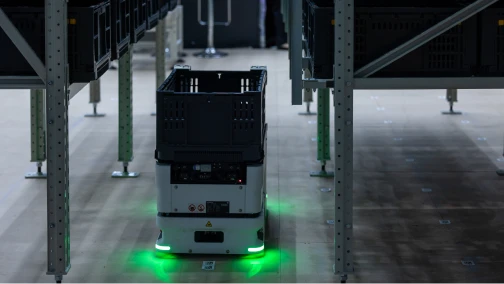
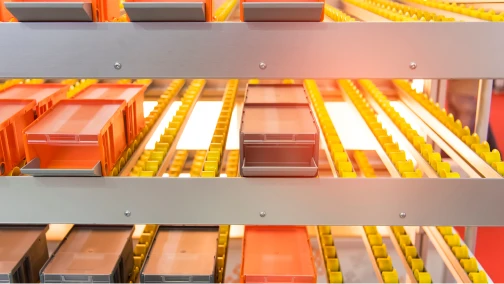
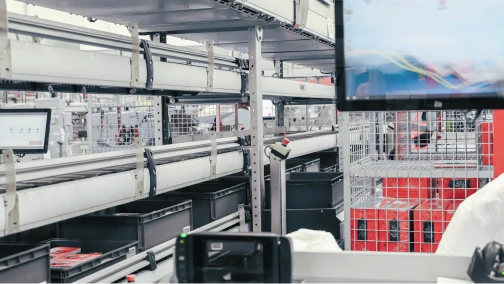
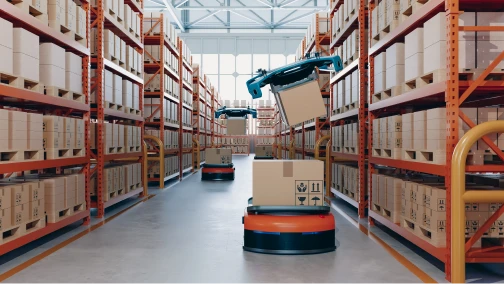
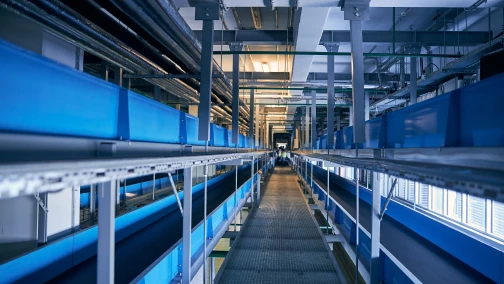
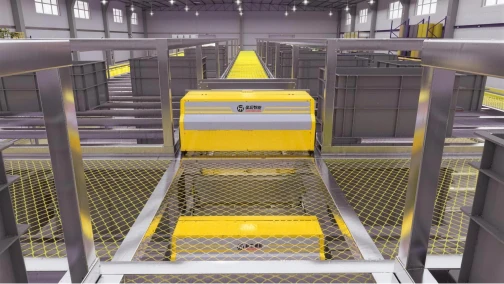
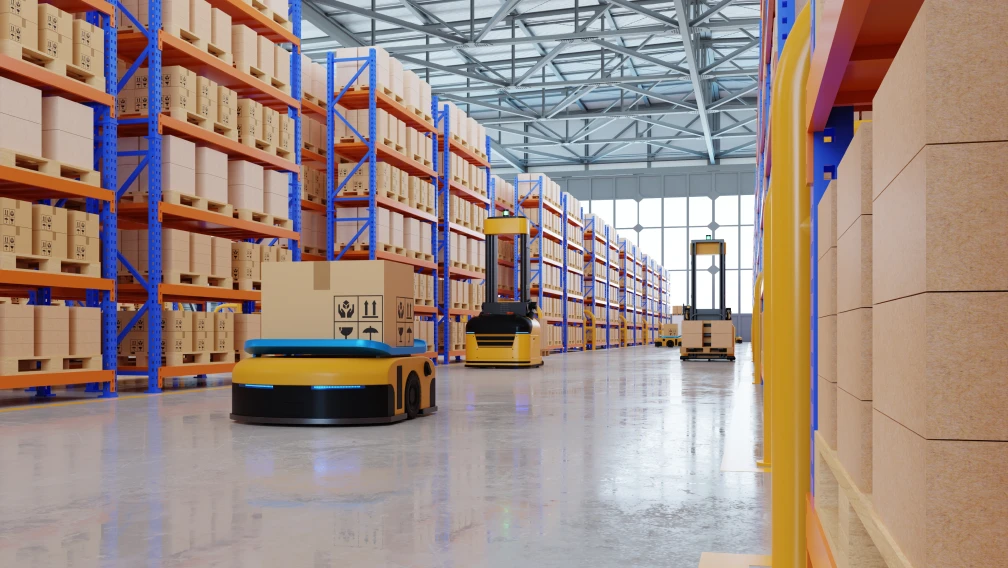
The operational core of e-commerce 3PL fulfillment is the decanting process. As pallets are retrieved from the reserve, operators strip the bulk packaging and transfer the individual items into standardized captive plastic totes. These totes immediately enter a high-density, horizontal storage grid managed by a fleet of High-Speed Bin Robots. By transferring all client goods—regardless of original packaging shape—into identical internal totes, the robotic fleet operates at maximum kinematic efficiency. The robots deliver these totes to Goods-to-Person (G2P) workstations, where operators fulfill mixed-client orders at rates exceeding 500 lines per hour, without ever walking the warehouse floor.
Multi-Tenant Software Orchestration
The physical hardware provides the throughput capacity, but the Warehouse Management System (WMS) is the critical intellectual property of a 3PL operation. Standard warehouse software is built for a single corporate entity. A 3PL WMS requires multi-tenant segregation, advanced API bridging, and precise activity telemetry.
Absolute Logical Segregation
A multi-tenant WMS operates multiple, isolated database silos within a single physical storage grid. Client A's inventory, order queue, and return data must remain completely invisible and inaccessible to Client B, even if their products are stored in adjacent totes in the same racking aisle. The WMS continuously calculates the volumetric footprint occupied by each client, enforcing contractual storage limits and preventing a single hyper-active client from consuming the entire automated grid's capacity.
Activity-Based Costing and Telemetry
3PL profitability relies on accurate billing. Manual facilities often bill clients based on rough estimates of labor hours and square footage. An automated system eliminates this ambiguity. The WMS tracks every single mechanical cycle executed on behalf of a specific client. It logs the exact number of stacker crane retrievals, bin robot transit meters, and G2P workstation picks associated with a specific client's account. This high-resolution telemetry allows the 3PL to transition to Activity-Based Costing (ABC), billing clients precisely for machine utilization, storage duration, and transaction volume. This data-driven billing model protects 3PL margins from unexpected client volume surges.
Omnichannel API Middleware
A 3PL must digitally connect to a vast array of client ecosystems. Client A may transmit orders via a massive SAP integration, while Client B relies on real-time webhooks from a Shopify storefront. The WMS functions as an API middleware hub, translating these diverse inbound data streams into standardized retrieval commands for the Robot Control System (RCS). As soon as the bin robot delivers the item to the packing station and the shipping label is scanned, the WMS pushes the tracking confirmation back through the specific client's API, ensuring the end consumer receives instantaneous updates.
Peak Season Elasticity and Modular Scaling
3PL clients experience extreme seasonal peaks. A logistics provider handling consumer electronics will see massive surges in November, while a client selling patio furniture peaks in April. The mechanical architecture must be elastic enough to absorb these spikes without requiring emergency infrastructure overhauls.
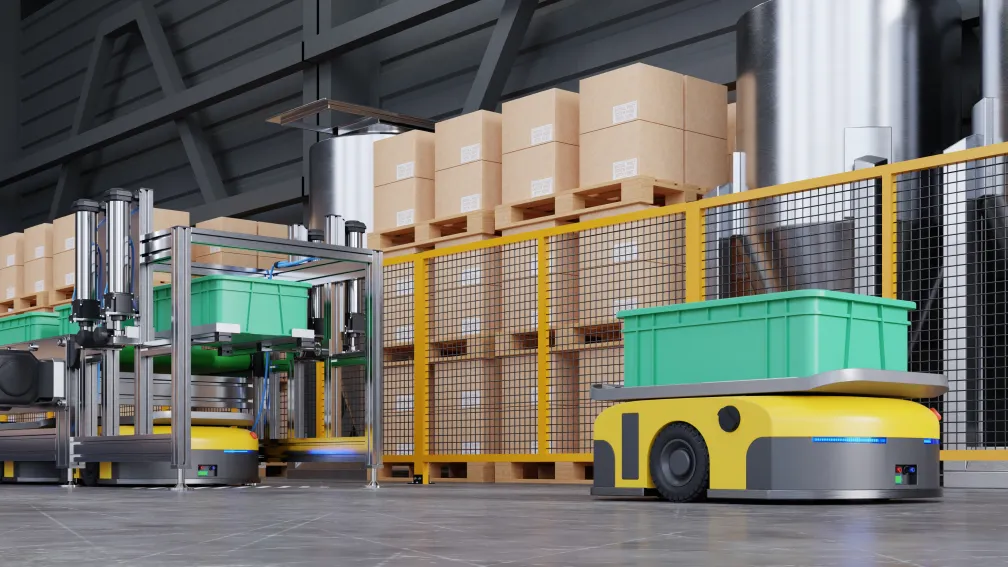
Decentralized robotic networks provide this elasticity. In a four-way shuttle system or a bin robot grid, throughput is decoupled from storage capacity. If a 3PL anticipates a massive Q4 volume surge due to a new client acquisition, they do not need to construct new aisles or purchase additional stacker cranes. They simply inject additional autonomous robots into the existing horizontal grid rails. The RCS automatically registers the new vehicles, instantly increasing the parallel processing capacity of the facility. Once the peak season subsides, those robots can be reassigned to different zones or powered down to conserve energy.
Omnichannel Reverse Logistics
Returns processing is the most labor-intensive workflow in modern retail, and 3PLs are frequently contracted to absorb this burden for their clients. In a manual facility, inspecting and restocking mixed-client returns requires massive staging areas and constant walking.
Automated G2P grids utilize a software algorithm known as chaotic storage to neutralize the returns bottleneck. When an operator at the reverse logistics station inspects a returned pair of shoes for Client A, they do not walk to Client A's designated aisle. They simply place the item into the nearest empty compartment of any circulating tote. The WMS links the SKU barcode to that specific tote's X-Y-Z coordinate. The product is instantly available for the next outbound order. This algorithmic restocking drastically reduces the turnaround time for returned merchandise, allowing 3PL clients to recapture revenue on seasonal goods before they depreciate.
Engineering the 3PL Profit Engine
Transitioning a 3PL operation from a labor-dependent, manual warehouse to a deterministic, automated fulfillment center requires rigorous front-end engineering. The capital expenditure is justified not merely by labor reduction, but by the ability to offer clients guaranteed SLA performance, 99.9% inventory accuracy, and later shipping cut-off times.
Furthermore, demonstrating state-of-the-art robotic fulfillment capabilities has become a primary sales tool for 3PLs pitching to high-volume enterprise clients. A highly engineered, multi-tenant AS/RS transforms the logistics facility from a passive storage box into a highly scalable profit engine.
→ Contact HOWEPROFIT’s systems engineering division to analyze your multi-client data profile and model a hybrid AS/RS architecture for your 3PL operation.
-

HOWEPROFIT Team
Warehouse Automation Specialists, HOWEPROFIT
The HOWEPROFIT Team consists of senior intralogistics engineers and supply chain experts specializing in advanced AS/RS and robotic fulfillment solutions. Backed by years of field experience across e-commerce, 3PL, and manufacturing sectors, we provide data-driven automation strategies, rigorous throughput simulations, and objective ROI modeling. Our mission is to help facilities seamlessly transition to high-efficiency, reliable, and scalable automated operations.