The Thermodynamic Imperative of Cold Chain Intralogistics
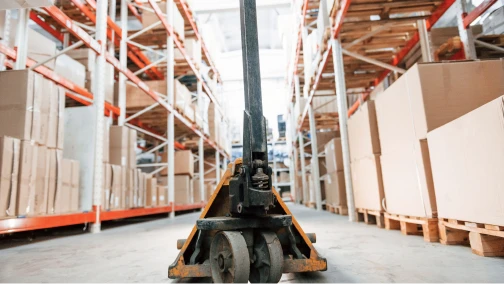
Cold chain intralogistics operates under the strict physical dictates of thermodynamics. The energy expenditure required to maintain ambient temperatures of -25°C to -30°C within a large-scale deep-freeze facility constitutes a continuous, dominant operational cost. In conventional manual warehouses, structural layouts require extremely wide aisles to accommodate the turning radius of heavy-duty reach trucks and counterbalanced forklifts. This architectural necessity wastes thousands of cubic meters of highly expensive internal volume. Empty physical space within a freezer still demands continuous refrigeration, resulting in a scenario where facility operators pay substantial energy premiums to cool ambient air rather than stored inventory.
Furthermore, manual operations within sub-zero environments present severe limitations regarding human capital. Occupational safety regulations strictly limit the consecutive hours personnel can operate inside deep-freeze zones. Labor turnover in refrigerated logistics is exceptionally high due to the harsh working conditions, and protective thermal gear significantly reduces manual picking efficiency and general mobility. To construct a viable financial model for cold storage operations, intralogistics engineering must focus on two primary objectives: absolute maximization of volumetric density to reduce energy loss per pallet, and the total removal of continuous human presence from the sub-zero zones through autonomous mechanical execution.
Architecting High-Density Bulk Storage Solutions
Addressing the cubic volume deficit in cold storage requires transitioning from static, selective racking to dense, automated configurations. The objective is to compress the inventory footprint, allowing for a smaller insulated building envelope while maintaining or exceeding expected throughput rates.
Unit-Load AS/RS in Deep-Lane Configurations
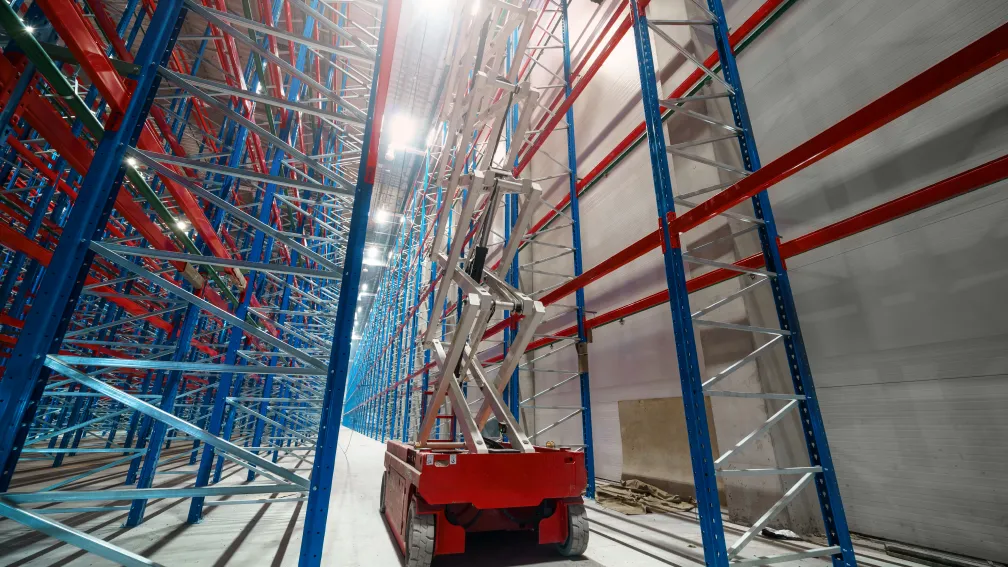
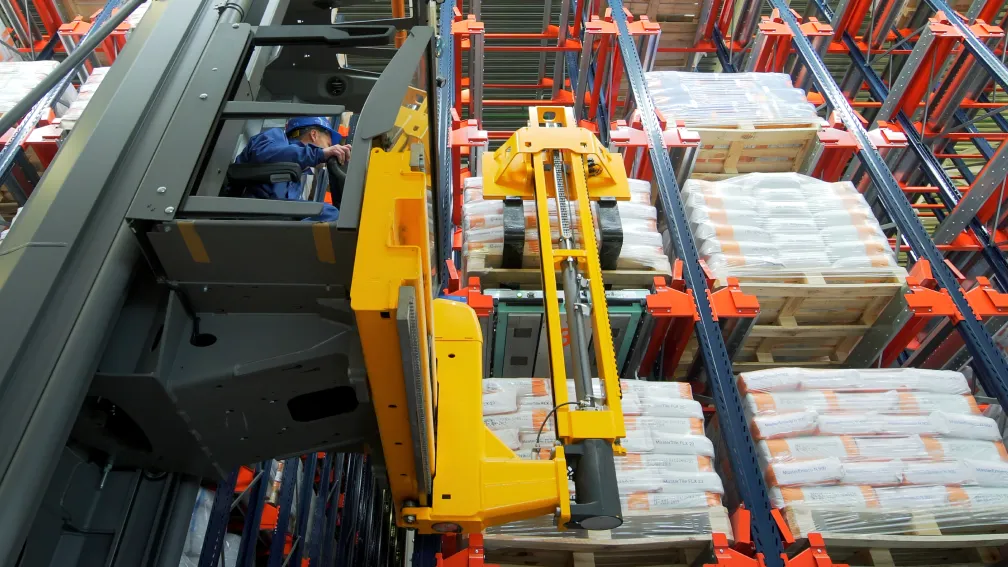
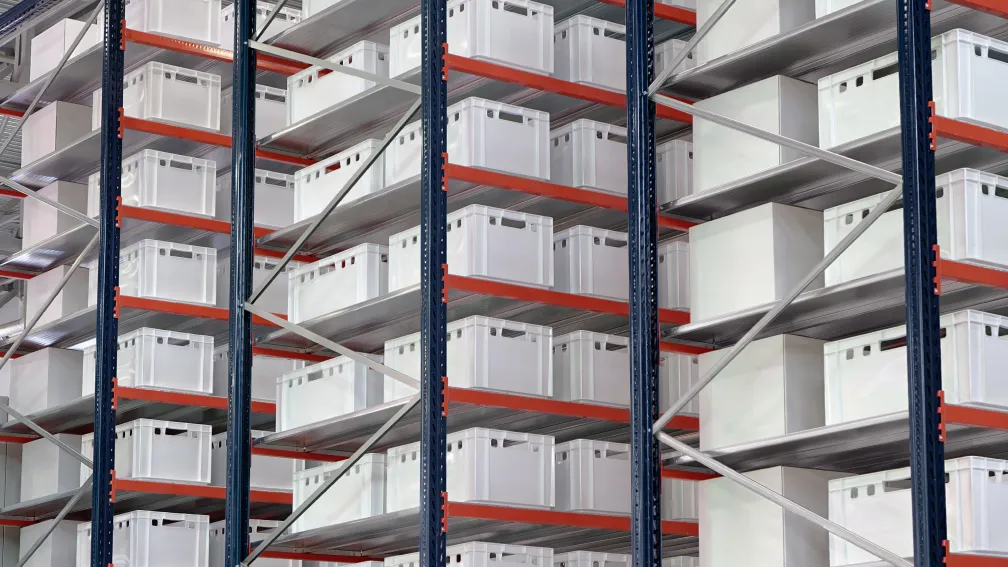
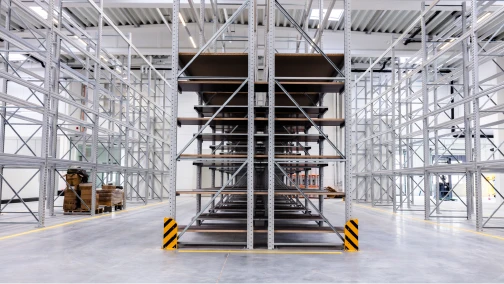
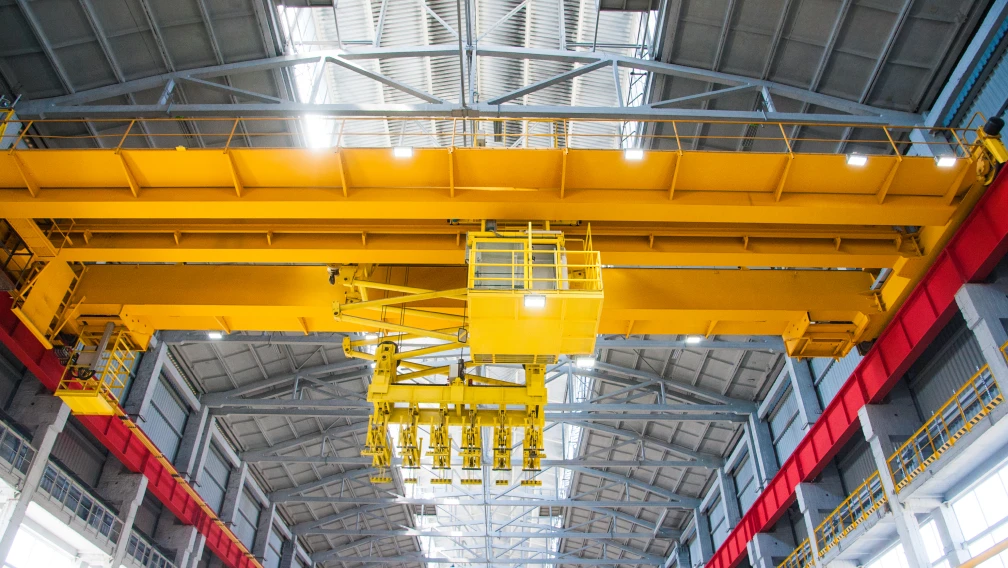
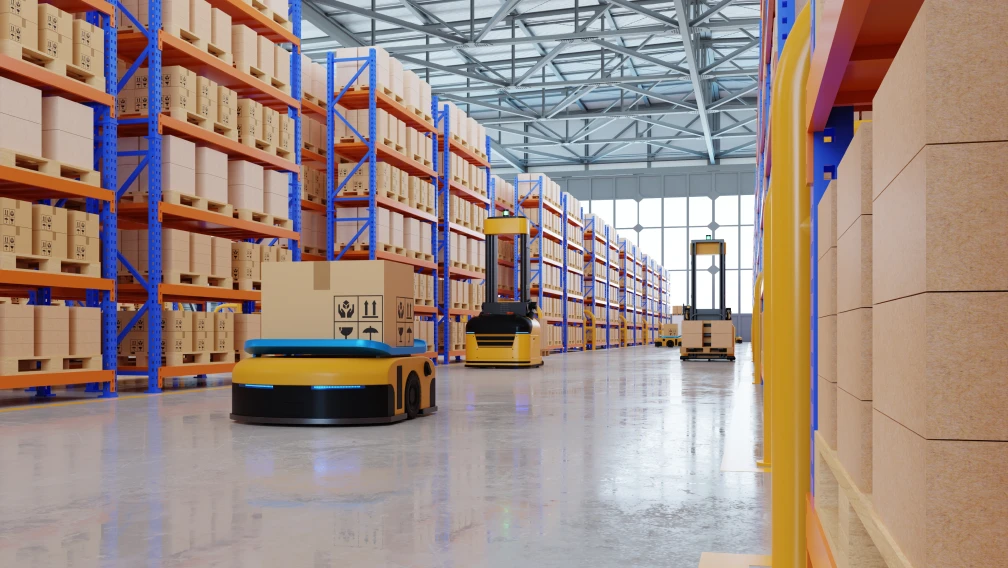
For high-volume manufacturers of frozen foods or bulk perishable commodities, the standard deployment is a Unit-Load AS/RS configured for deep-lane storage. Utilizing heavy-duty automated stacker cranes equipped with multi-deep telescopic forks or integrated pallet shuttles, this system eliminates horizontal aisle space. Cranes operate in narrow vertical corridors, storing pallets six to ten deep within the racking structure. This approach compresses the storage cube to its physical limits. Many new cold chain facilities are designed as rack-supported buildings, where the high-bay AS/RS steel structure directly supports the insulated wall panels and roofing. This architectural method eliminates internal support columns, maximizes thermal continuity, and significantly reduces overall construction timelines compared to traditional building shells.
Retrofitting with Mobile Pallet Racking
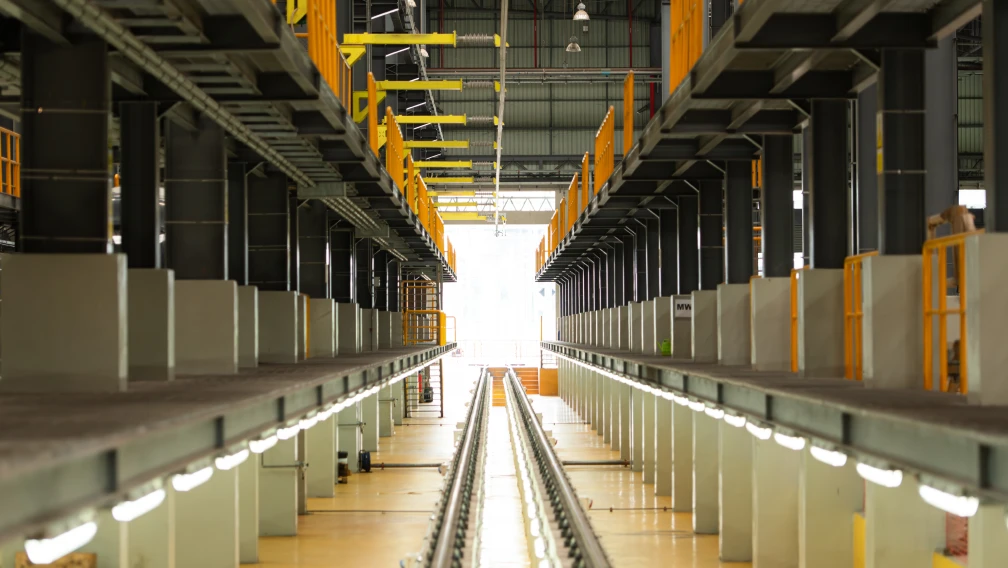
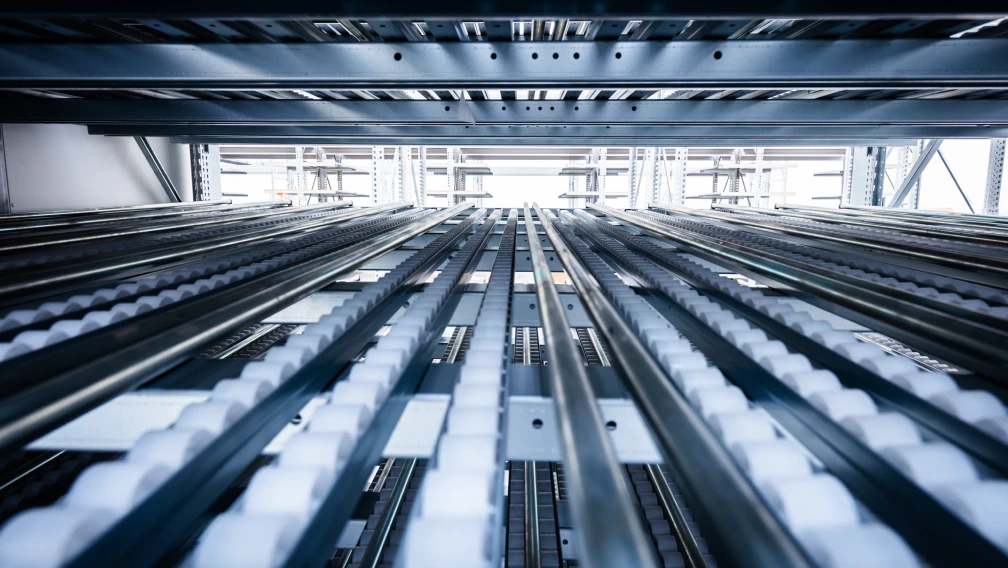
Constructing a greenfield rack-supported facility requires significant capital expenditure. For logistics providers operating existing brownfield freezer warehouses, the volumetric problem must be solved within the existing thermal envelope. Deploying Mobile Pallet Racking addresses this direct constraint. By mounting heavy racking rows onto motorized chassis carriages that glide across floor-integrated steel rails, the system compresses the rows together to form a solid block of inventory. The control system opens a single dynamic access aisle only when a pallet retrieval or put-away sequence is actively required. This system effectively doubles the storage capacity of a conventional freezer room without requiring any structural expansion of the insulated refrigeration boundary.
Mechanical and Materials Engineering for -30°C Environments
Deploying automation hardware inside a deep freezer requires rigorous modifications to standard electromechanical components. Standard logistics robots will fail catastrophically in cold chain applications if their underlying material science is not engineered for sub-zero thermal stress.
Metals experience structural alterations at extreme low temperatures. Standard carbon steel becomes brittle and is susceptible to sudden fracturing under dynamic loads. Cold chain AS/RS racking and crane masts must be fabricated using specialized, low-temperature steel alloys that maintain tensile strength and flexibility during high-speed kinetic movements. Similarly, standard industrial lubricants harden and increase the mechanical resistance on gearboxes and drive shafts, leading to rapid motor burnout. All moving components, bearings, and drive chains must be treated with synthetic, cold-rated lubricants formulated to maintain specific viscosity at -30°C.
Electrical and sensor components require active environmental management. Condensation and frost buildup on optical sensors and laser guidance systems will instantly blind an automated crane. To prevent this, the internal electrical control cabinets mounted on the AS/RS machinery are equipped with automated micro-heating elements to maintain optimal operational temperatures for PLCs and circuit boards. Cable tracks and wiring harnesses must utilize cold-resistant polyurethane jackets to prevent the insulation from cracking and inducing short circuits as the machines continuously travel down the aisles.
High-Speed Order Fulfillment and Case Picking in Refrigerated Zones
While bulk pallet storage constitutes the reserve capability of a cold chain facility, the secondary challenge is fulfilling mixed-SKU, split-case orders for grocery retail or foodservice distribution. Performing individual case picking manually within the freezing zone is highly inefficient and physically taxing.
Decoupling Storage from Fulfillment
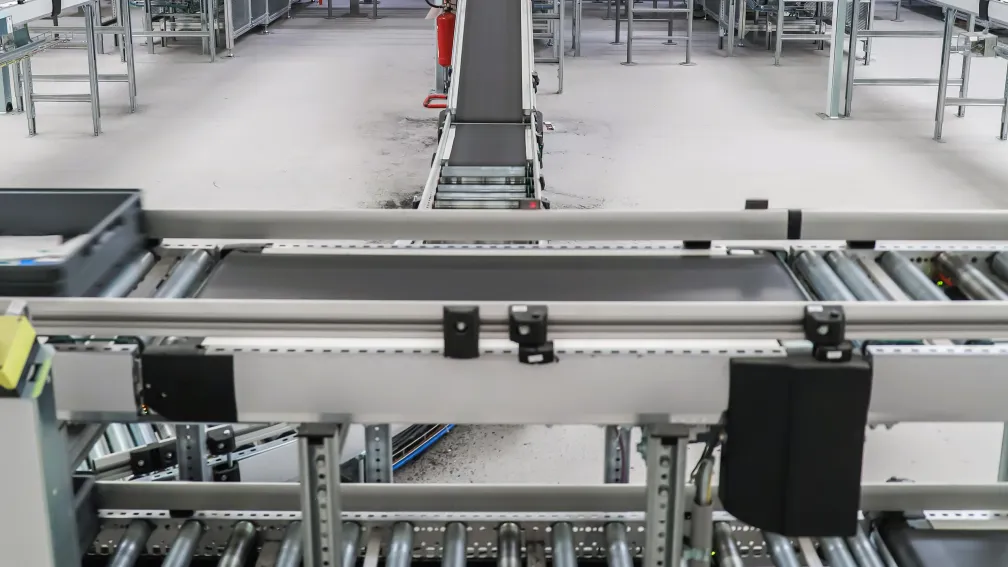
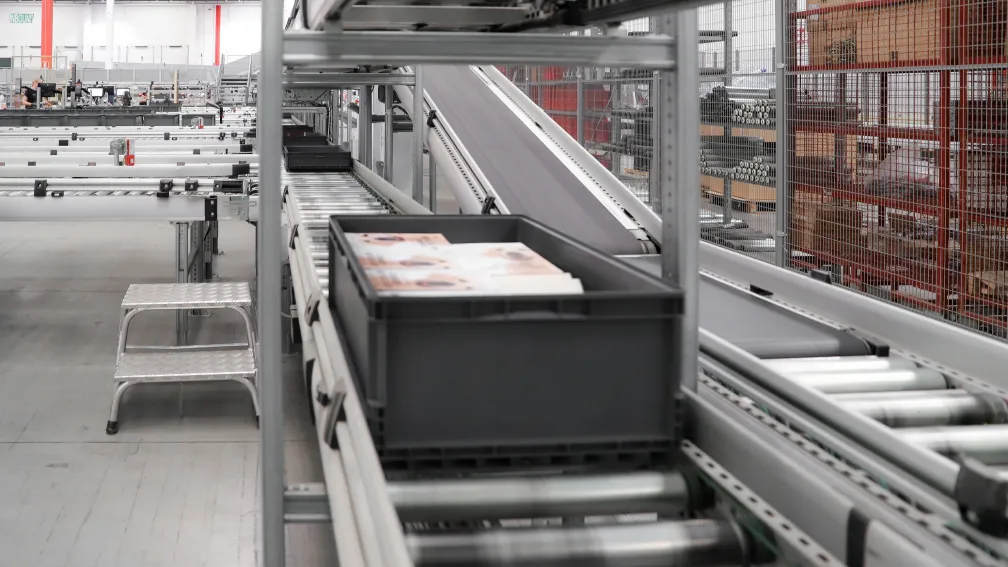
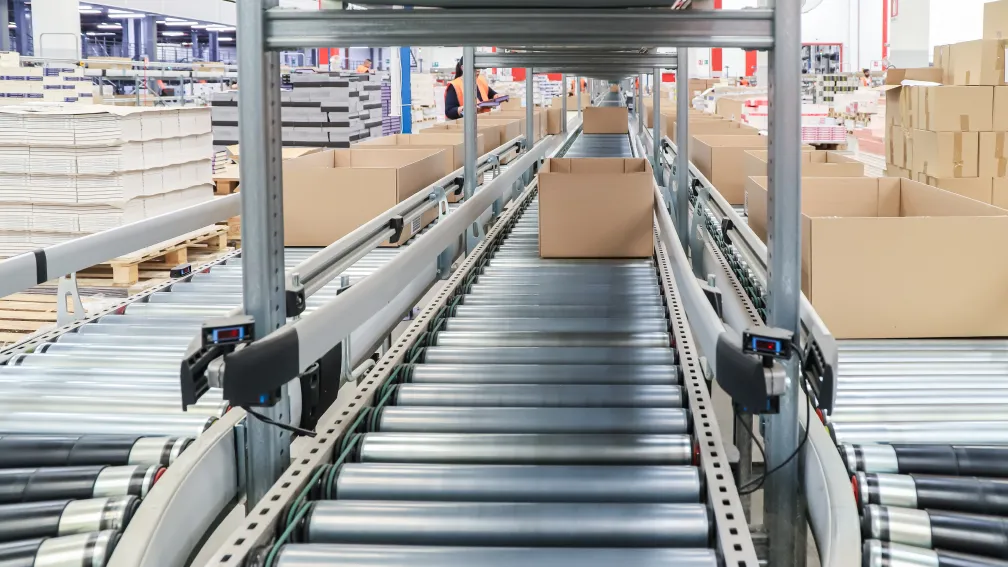
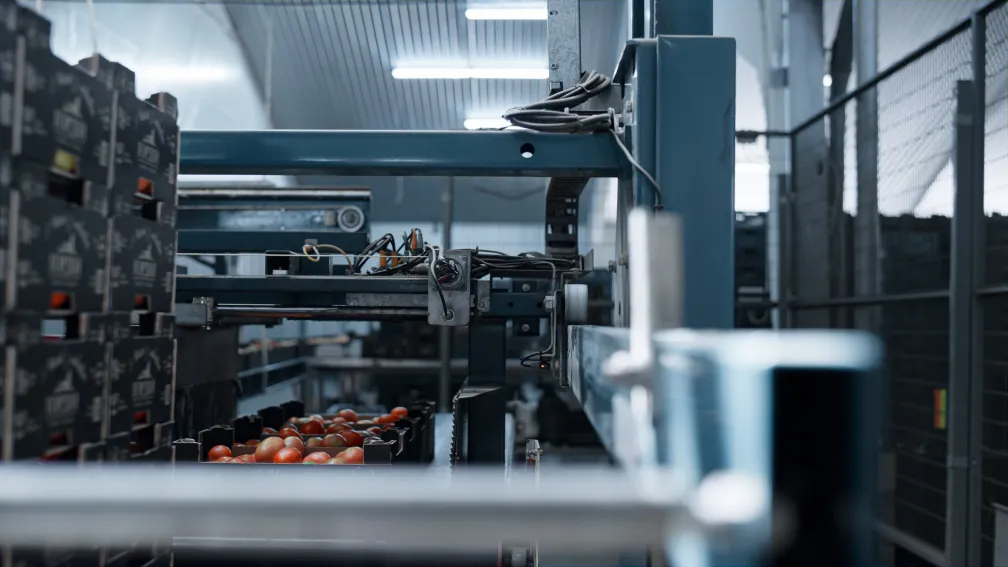
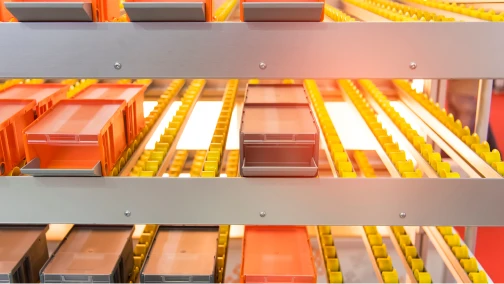
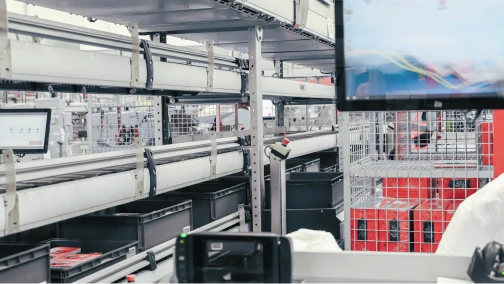
Advanced cold chain engineering relies on the Goods-to-Person (G2P) methodology. To handle high-velocity case-level operations, operators utilize a Mini-Load ASRS. This system handles standardized plastic totes or original carton packaging directly, operating at extremely high speeds within a minimized sub-zero footprint. The Mini-Load cranes retrieve the required cases and deposit them onto a conveyor loop that crosses the thermal boundary into a moderately chilled (e.g., +4°C) peripheral packing zone. Human operators fulfill the outbound orders in this safer, more comfortable ambient environment. Once the order is packed, it is conveyed back into the holding freezer or dispatched directly to refrigerated transport docks.
Robotic Shuttles for Scalable Throughput
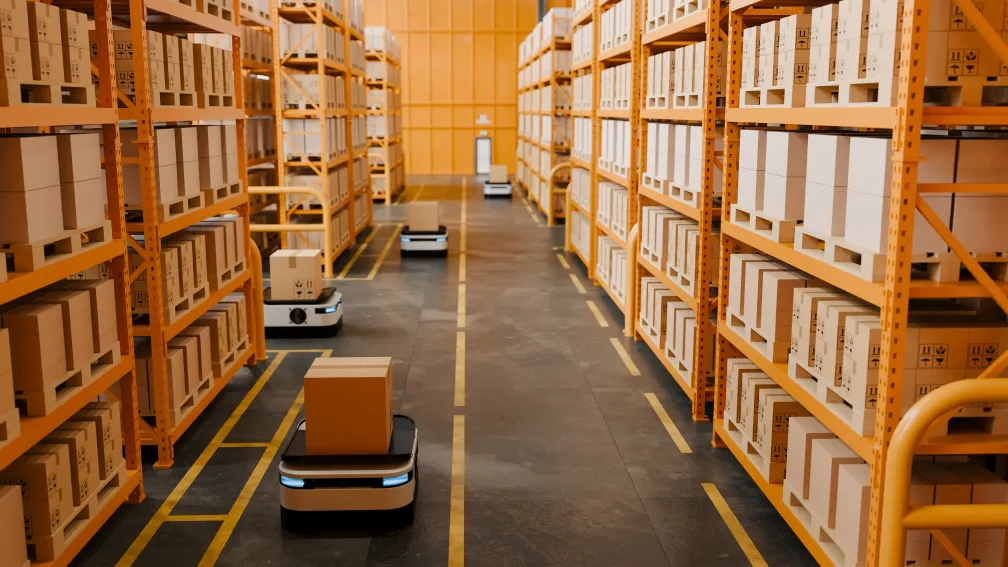
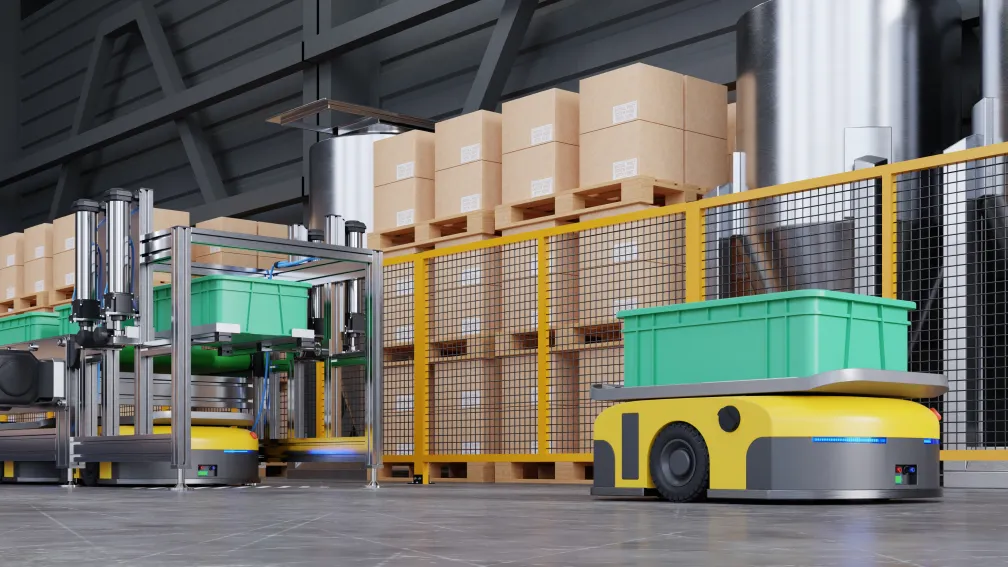
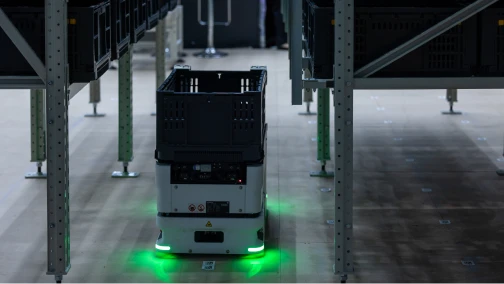
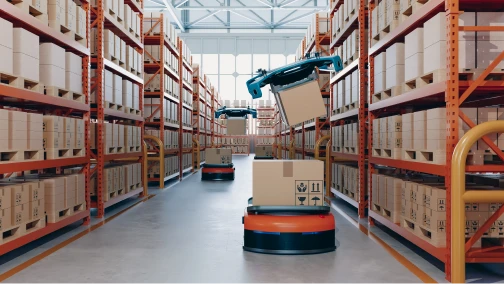
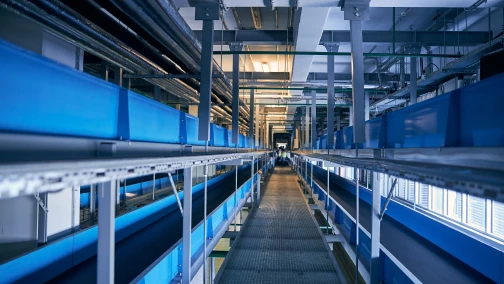
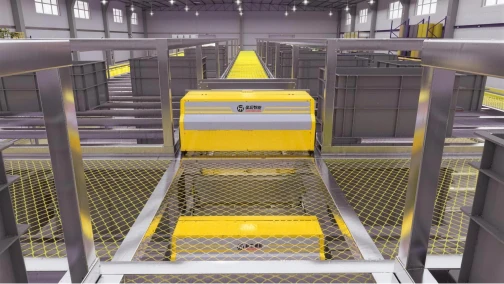
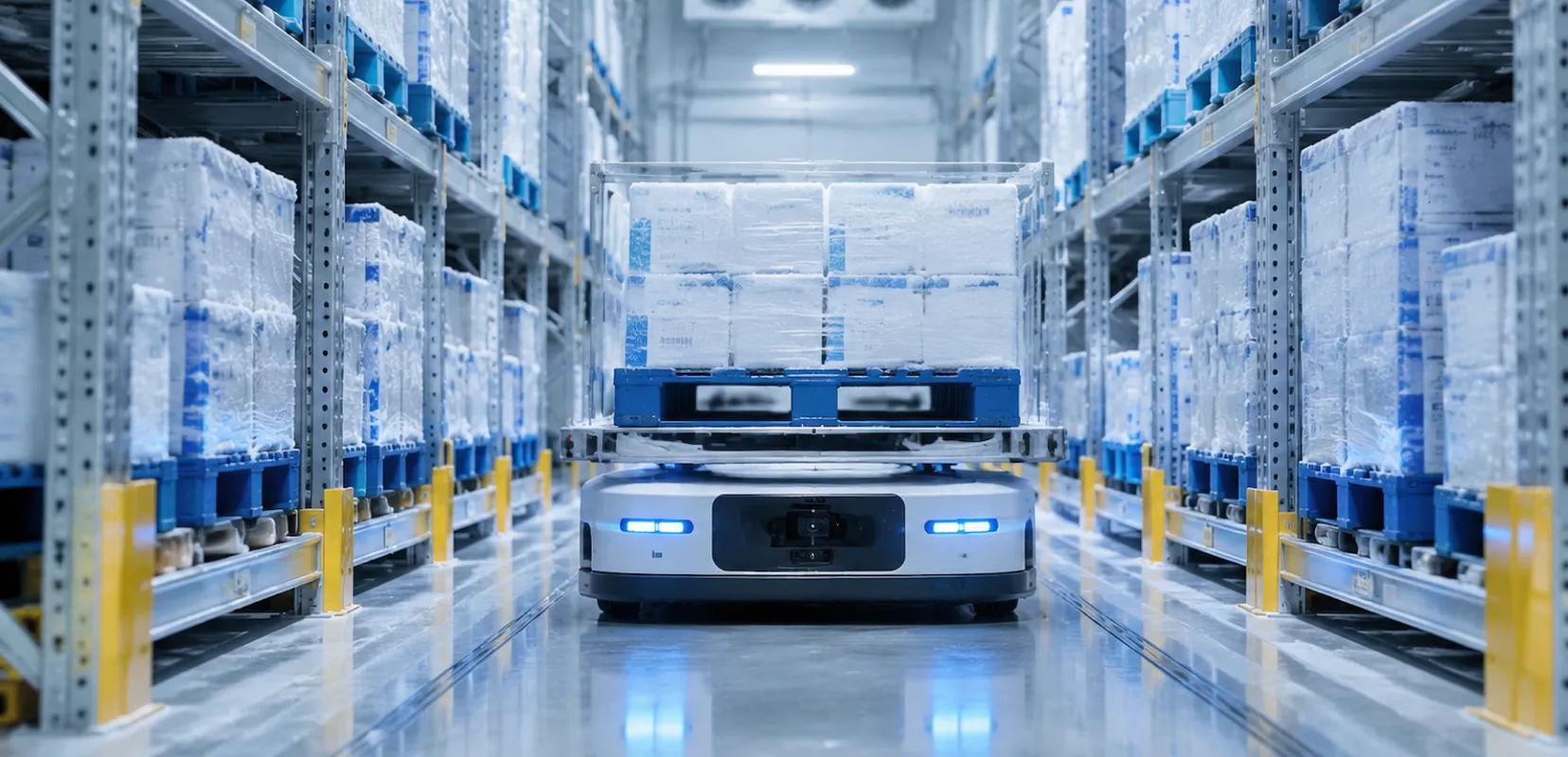
For highly dynamic frozen food fulfillment centers experiencing seasonal spikes or shifting SKU profiles, grid-based robotic networks are deployed. A Four-Way Shuttle System provides unparalleled kinematic flexibility within the cold zone. These autonomous vehicles navigate both the X and Y axes of the storage grid, retrieving cases and delivering them to vertical lifts located at the periphery of the rack. Because shuttles are powered by onboard energy storage, they require specific battery chemistry. Standard lithium-ion cells lose discharge capacity rapidly in cold environments. Cold-rated shuttles utilize specialized low-temperature battery cells or ultracapacitors. The system is programmed to automatically route shuttles to heated charging docks during idle microseconds, ensuring the fleet maintains continuous operational uptime without human intervention.
Software Orchestration and Regulatory Compliance
The mechanical hardware of a cold storage automation system relies entirely on the deterministic logic of the control software. Managing perishable inventory introduces strict regulatory layers regarding lot tracking, expiration dates, and food safety compliance.
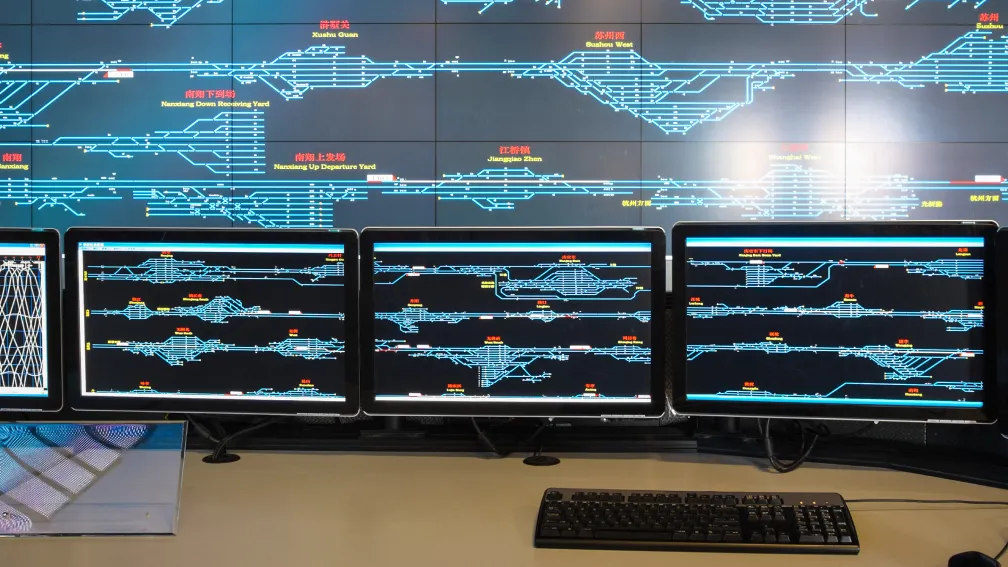
A dedicated Warehouse Control System (WCS) bridges the facility's ERP to the mechanical equipment. In standard retail logistics, First-In-First-Out (FIFO) is standard practice. In cold chain logistics, the software must enforce First-Expired-First-Out (FEFO) algorithms. The WCS evaluates the precise expiration date of every single pallet or carton entering the facility. If two batches of frozen poultry are stored in the AS/RS, the system will actively bypass the pallet that arrived first if the pallet that arrived second possesses an earlier expiration date. This strict algorithmic routing prevents inventory spoilage, drastically reducing waste costs for food producers.
Furthermore, the software guarantees absolute batch traceability. For pharmaceutical cold chain operations managing vaccines or biologics, regulatory bodies mandate precise tracking of every unit. The WCS maintains a continuous digital log, correlating every mechanical movement, temperature zone dwell time, and retrieval sequence to a specific lot number. If a recall is initiated by a manufacturer, the facility operator can digitally isolate and retrieve the exact affected pallets within minutes, without relying on manual paper manifests or error-prone human searching.
Engineering the Thermal Barrier
An often-overlooked aspect of cold chain automation is managing the thermal transition zones. Automated conveyor lines must pass goods between the deep freeze (-25°C), the chilled picking zone (+4°C), and the outbound dock. Without precise engineering, these conveyor apertures will cause severe thermal bridging, allowing warm air to infiltrate the freezer and cause rapid ice buildup on mechanical components.
To solve this, system engineers deploy automated high-speed insulated doors or specialized air-curtain tunnels directly integrated with the WCS. As an automated tote approaches the thermal boundary, the WCS triggers the air-lock sequence exactly milliseconds before the tote arrives, minimizing the aperture's open time. Dehumidification systems are installed strictly at these transition nodes to strip moisture from the ambient air before it can crystallize on the AS/RS machinery inside the main grid.
Conclusion: The Economic Baseline of Automated Cold Storage
The implementation of automated storage and retrieval systems in cold chain logistics is no longer a peripheral optimization strategy; it is a structural necessity driven by the physics of refrigeration and the economics of labor. By leveraging Unit-Load cranes, mobile racking, and autonomous shuttle networks, modern logistics providers secure definitive control over their facility's cubic volume utilization.
Executing a transition to a fully automated sub-zero facility requires exact engineering across metallurgy, thermodynamics, electromechanical component selection, and strict algorithmic software deployment. When properly architected, the resulting system delivers absolute inventory accuracy, drastically reduced energy expenditures per pallet, and a permanent solution to cold-environment labor shortages.
→ Contact HOWEPROFIT’s systems engineering team to analyze your cold chain facility's footprint and model a high-density, sub-zero automation architecture tailored to your specific throughput requirements.
-

HOWEPROFIT Team
Warehouse Automation Specialists, HOWEPROFIT
The HOWEPROFIT Team consists of senior intralogistics engineers and supply chain experts specializing in advanced AS/RS and robotic fulfillment solutions. Backed by years of field experience across e-commerce, 3PL, and manufacturing sectors, we provide data-driven automation strategies, rigorous throughput simulations, and objective ROI modeling. Our mission is to help facilities seamlessly transition to high-efficiency, reliable, and scalable automated operations.