The Spatial and Temporal Constraints of Last-Mile Logistics
The contemporary e-commerce landscape is entirely dominated by the demand for hyper-accelerated delivery timelines. The transition from multi-day shipping to sub-hour fulfillment—driven primarily by e-grocery, pharmaceutical distribution, and fast-fashion retail—has fundamentally fractured traditional supply chain network topologies. Mega-distribution centers (DCs), typically situated on cheap rural land far from urban density, are physically incapable of meeting a 30-minute delivery Service Level Agreement (SLA). The geographic distance alone negates any internal operational efficiencies.
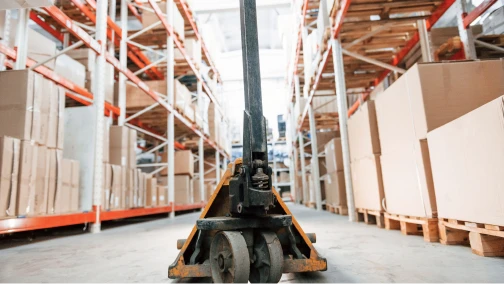
To solve this geometric constraint, retailers and third-party logistics (3PL) providers are deploying Micro-Fulfillment Centers (MFCs). An MFC essentially compresses the throughput capacity of a traditional distribution center into a highly constrained, urban footprint, typically ranging from 5,000 to 15,000 square feet. However, executing this compression using manual labor and static shelving is a mathematical impossibility. Manual picking in constrained environments leads to massive ergonomic strain, unsustainable labor costs, and severe congestion. Architecting a profitable MFC requires the deployment of ultra-high-density Automated Storage and Retrieval Systems (AS/RS) engineered specifically for spatial irregularities, governed by deterministic software logic. This document analyzes the structural deployment, robotic kinematics, and algorithmic orchestration required to execute urban micro-fulfillment.
Overcoming Brownfield Spatial Irregularities
Unlike standard warehouses built on empty greenfield sites with perfectly flat slabs and 40-foot vertical clearances, urban MFCs are almost exclusively brownfield deployments. They are retrofitted into existing commercial real estate: abandoned supermarkets, retail backrooms, underground parking garages, or hollowed-out department stores. These environments present severe structural hostility to standard industrial automation.
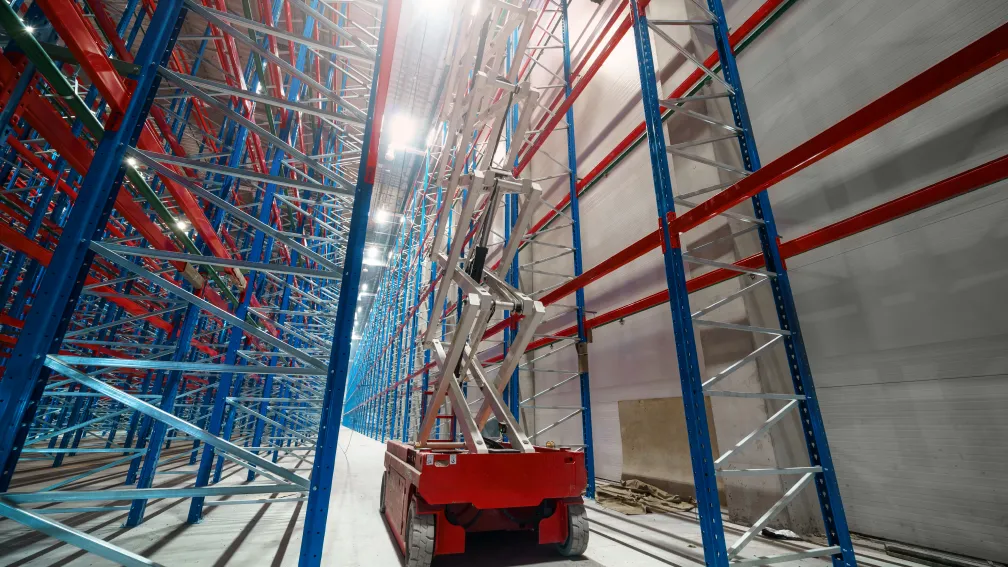
Ceiling heights are often restricted to under 15 feet, negating the use of traditional high-bay stacker cranes. Furthermore, the physical space is continuously interrupted by load-bearing structural columns, irregular wall geometries, and low-hanging HVAC or fire-suppression infrastructure. To deploy automation in these zones, systems engineers rely on modular grid robotics. A grid-based AS/RS is inherently malleable. The aluminum framework can be custom-engineered to wrap around existing concrete pillars and step down in height to accommodate ceiling variations. This modularity allows logistics providers to convert virtually any urban commercial space into an active fulfillment node without requiring catastrophic structural demolition.
Kinematic Architectures for Ultra-Dense Urban Storage
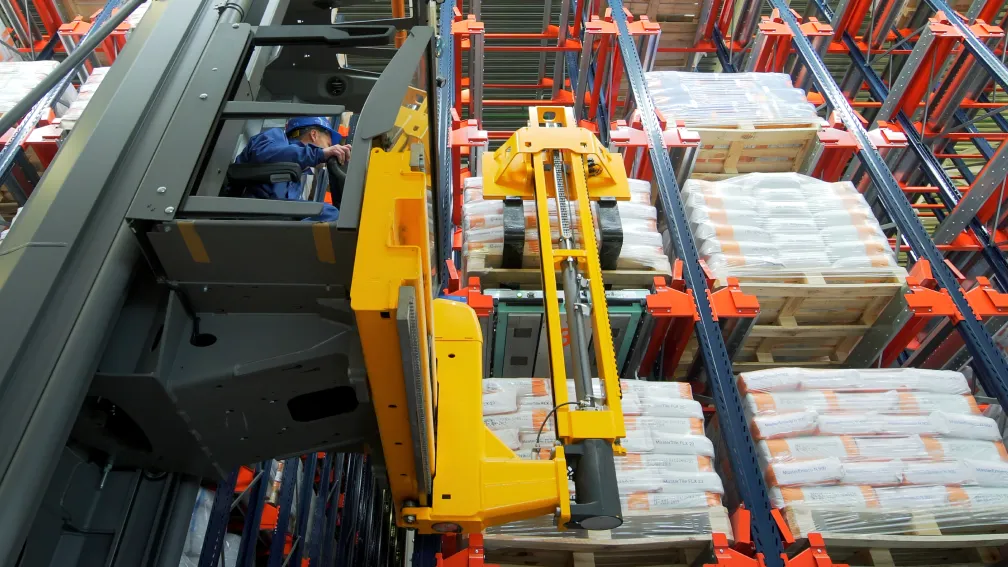
The primary mandate of an MFC is to maximize the storage cube. Every square inch of empty air represents a financial loss in urban real estate. Standard forklift aisles waste up to 60% of a facility’s volume. MFC hardware architectures completely eliminate human access aisles, relying entirely on robotic kinematics for inventory retrieval.
Tote-Based Grid Robotics
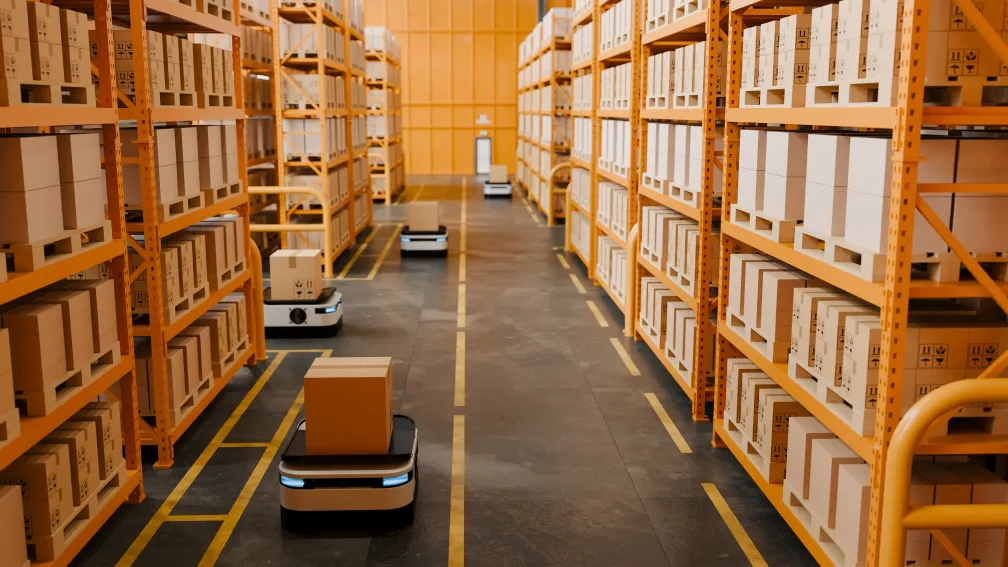
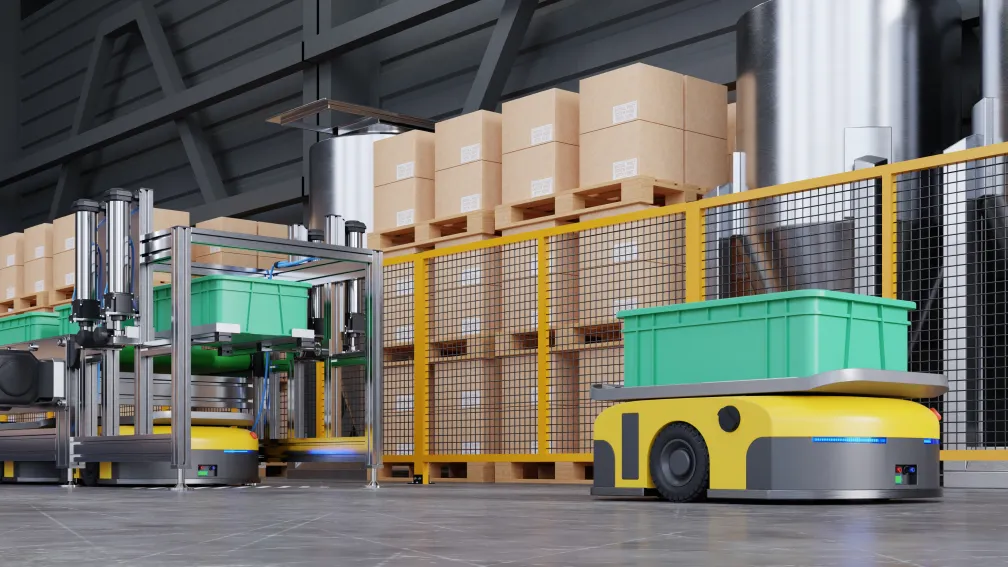
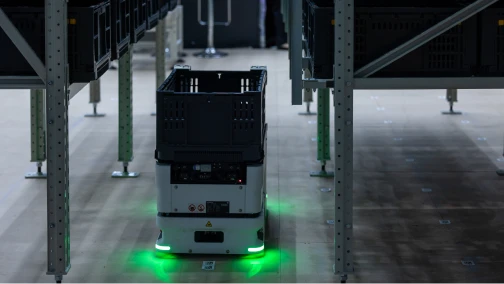
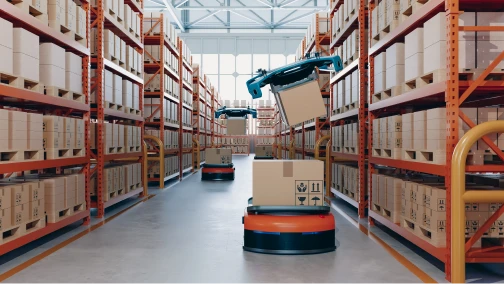
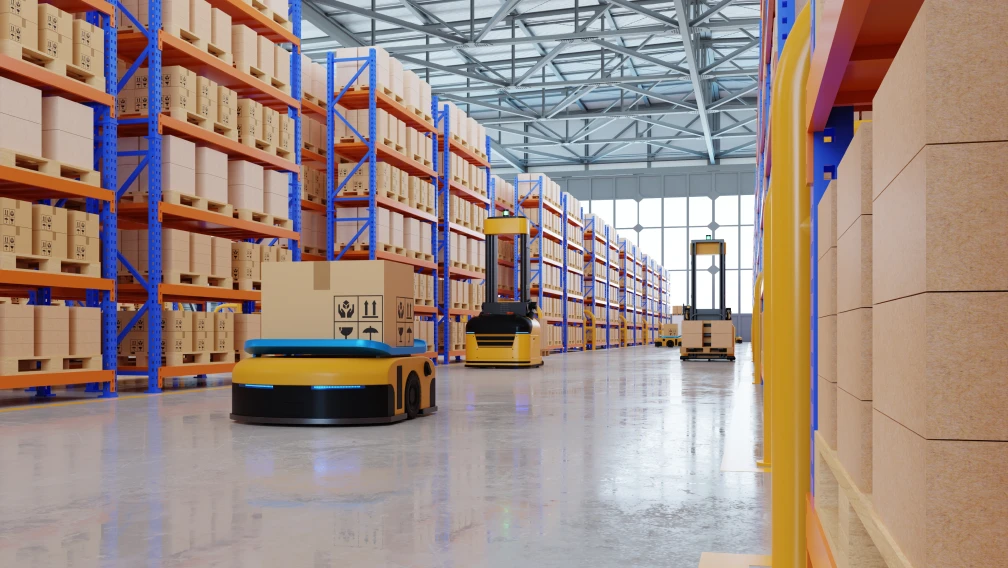
The dominant hardware configuration for urban micro-fulfillment is the High-Speed Bin Robot network. The physical structure consists of a densely packed aluminum grid divided into vertical columns. Standardized captive plastic totes, containing the actual retail inventory, are stacked vertically within these columns, resting directly on top of one another. The robots operate autonomously on a track system situated at the very top of the grid structure. When a specific SKU is required, a robot navigates to the precise X-Y coordinate, lowers a specialized hoist mechanism, and physically extracts the target tote. If the required tote is buried beneath others, the robot temporarily relocates the upper totes into adjacent empty cells—a process known as digging—before retrieving the target payload. This architecture delivers absolute maximum volumetric density, frequently quadrupling the storage capacity of a given room compared to traditional shelving.
High-Throughput Matrix Shuttles
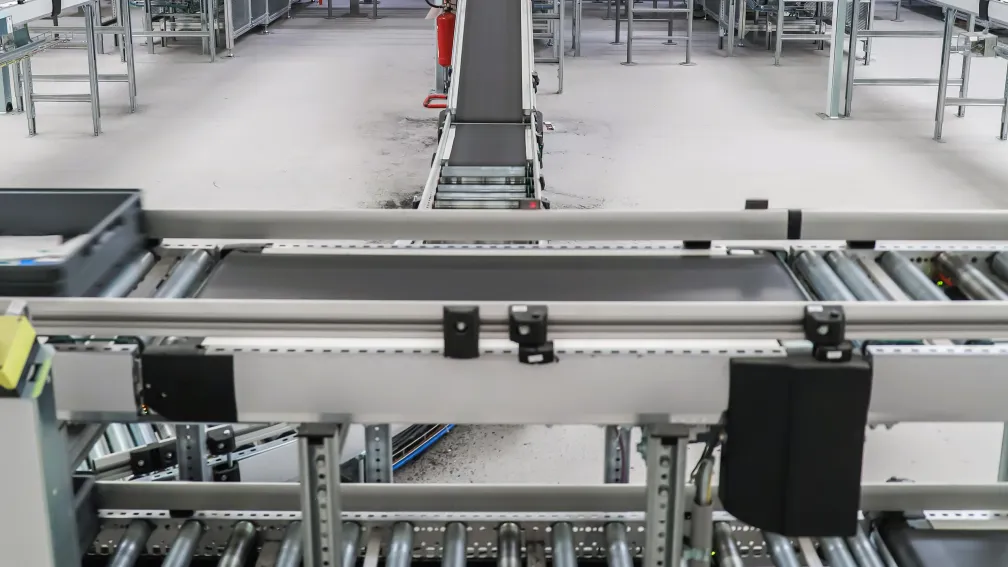
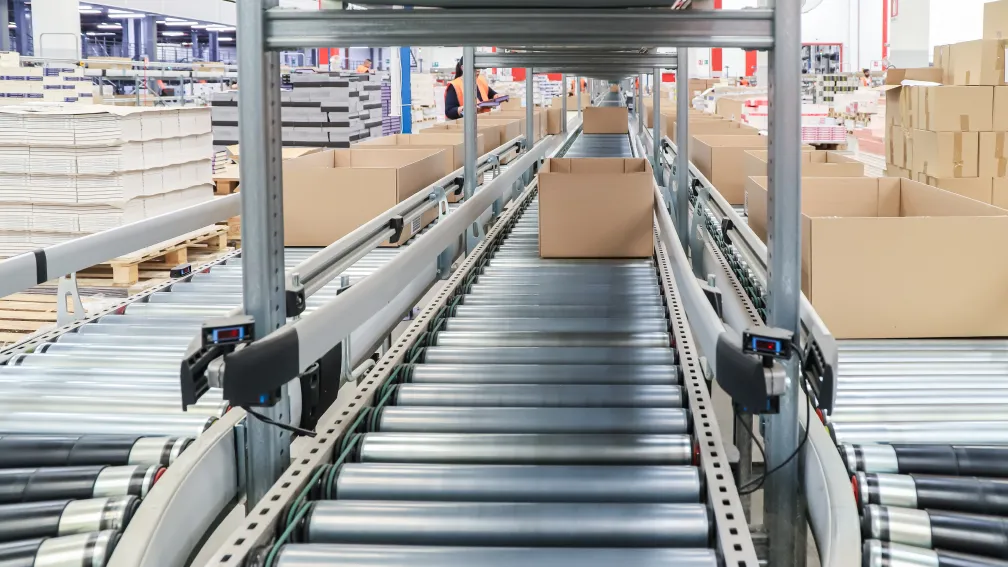
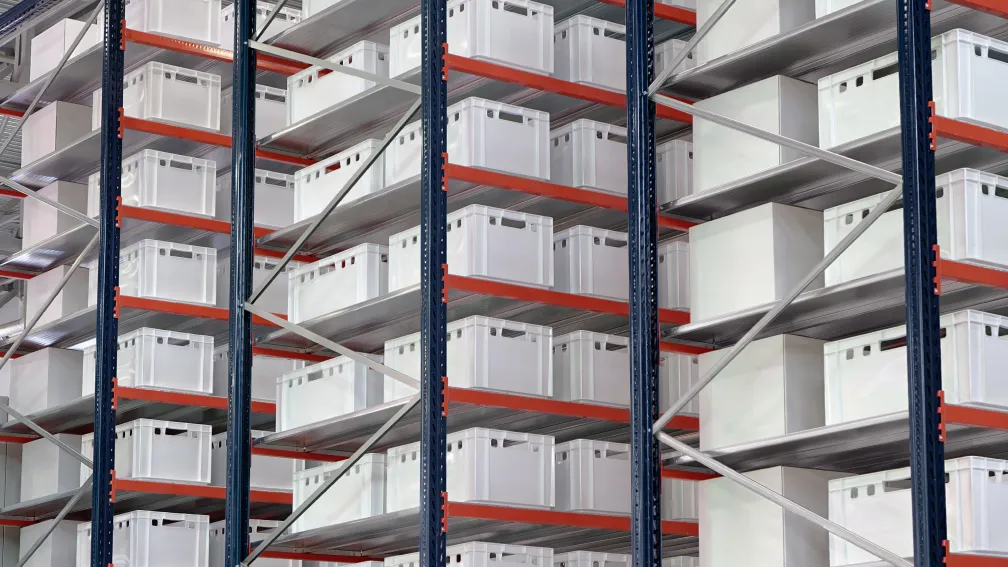
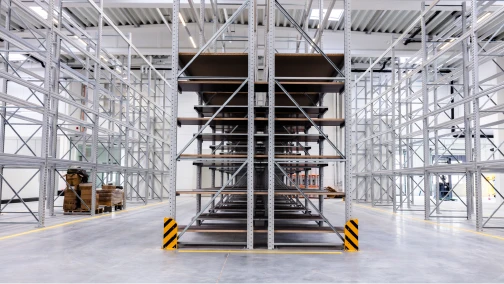
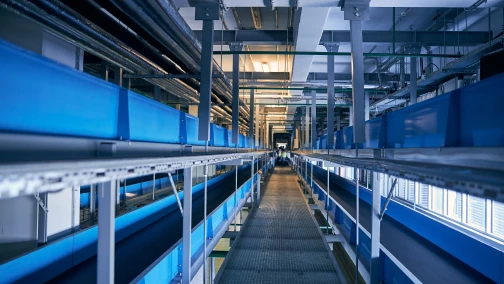
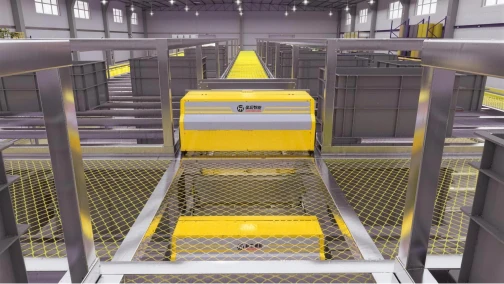
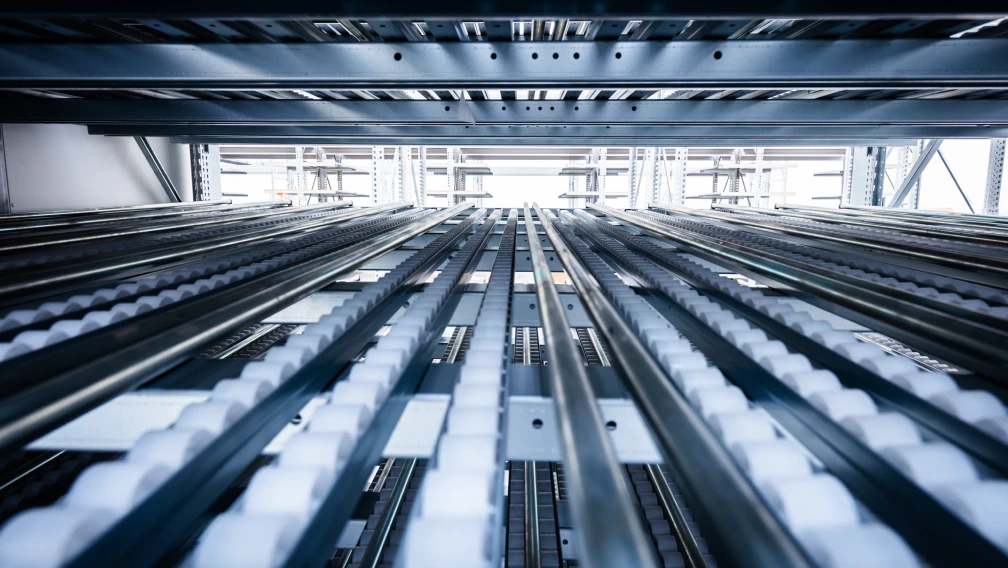
For operations prioritizing maximum parallel throughput over absolute storage density, engineers deploy a Four-Way Shuttle System. Unlike top-running bin robots, these autonomous vehicles operate within the racking structure itself, navigating both the X and Y axes on dedicated rail levels. Because multiple shuttles can operate simultaneously on different tiers of the same aisle, the system provides staggering transaction velocities. The shuttles deliver targeted totes to vertical lifts installed at the periphery of the rack, which then transport the goods to ergonomic Goods-to-Person (G2P) picking stations. For applications requiring rapid handling of mixed carton sizes or heavy-duty totes, the shuttle matrix offers robust mechanical reliability and decoupled scalability.
Algorithmic Orchestration for Sub-Hour Fulfillment
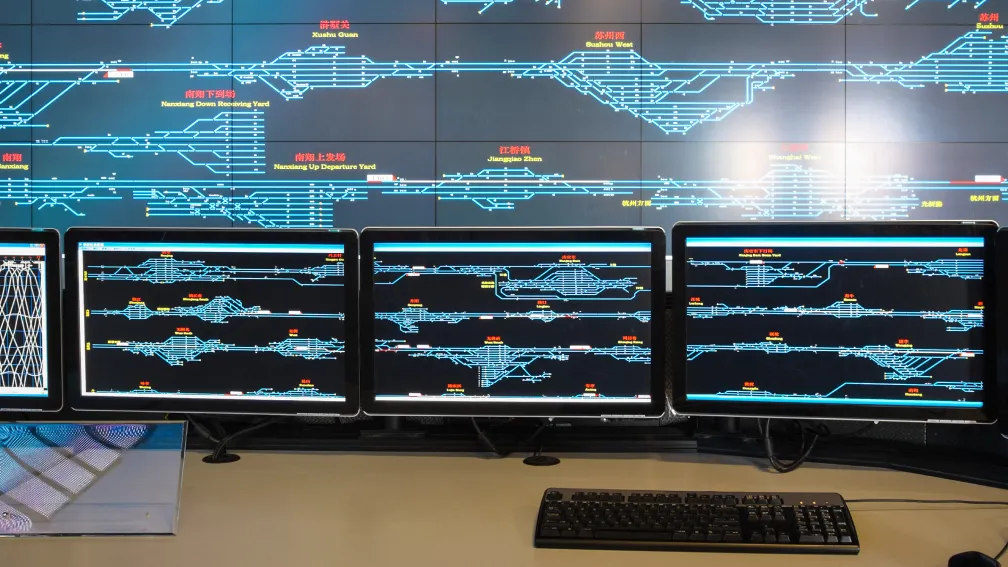
The mechanical hardware of an MFC is highly standardized; the true intellectual property and operational leverage reside in the Warehouse Control System (WCS). In a sub-hour fulfillment scenario, the software cannot afford the latency of linear processing. It must execute highly complex predictive algorithms.
Chaotic Storage Logic
Standard retail warehousing often groups similar items together (e.g., all shampoos in one aisle). In an automated MFC, the WCS utilizes chaotic storage logic. When inventory is inducted, the software deliberately scatters the same SKU across multiple random locations throughout the grid. This stochastic distribution is a critical defense mechanism against mechanical congestion. If a promotional event causes a sudden spike in orders for a specific brand of coffee, chaotic storage ensures that the robots can retrieve the item from ten different grid coordinates simultaneously. If the items were grouped in a single location, multiple robots would converge on one spot, creating a severe traffic bottleneck and crashing the facility’s throughput rate.
Decentralized Fleet Management and Redundancy
Traditional AS/RS architectures, such as aisle-bound cranes, suffer from a single point of failure: if the crane experiences a mechanical fault, the entire aisle of inventory is completely inaccessible. Grid-based MFCs neutralize this risk through decentralized control. A dedicated Robot Fleet Management Software orchestrates the movement of dozens of autonomous vehicles simultaneously. If a single robot experiences a battery failure or a drive-wheel stall, the software instantly quarantines that specific grid cell and automatically reroutes the rest of the fleet around the disabled unit. A technician can safely retrieve the faulted robot without halting the entire fulfillment operation. This decentralized redundancy is mandatory for meeting the uncompromising SLAs of urban delivery.
Continuous Order Batching and G2P Ergonomics
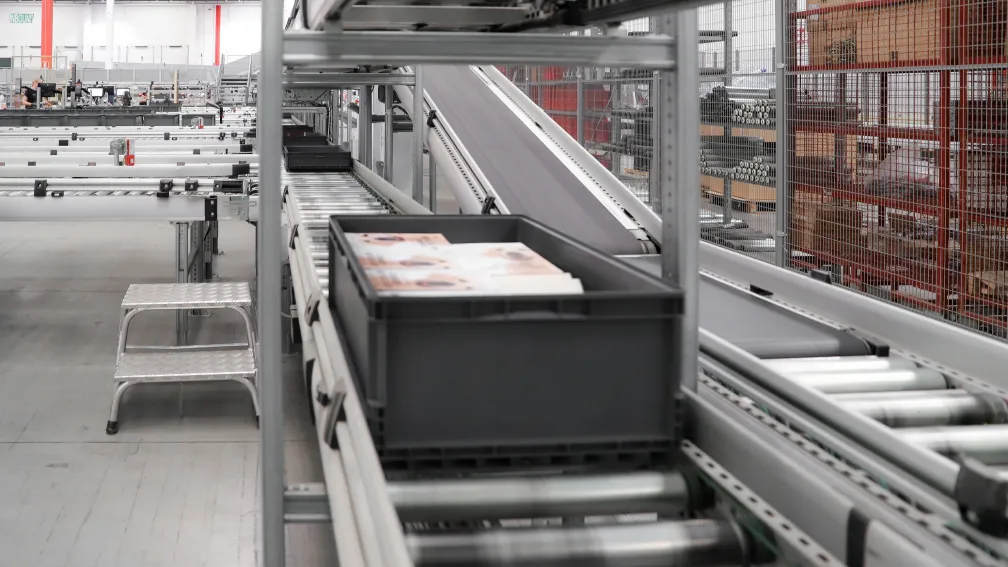
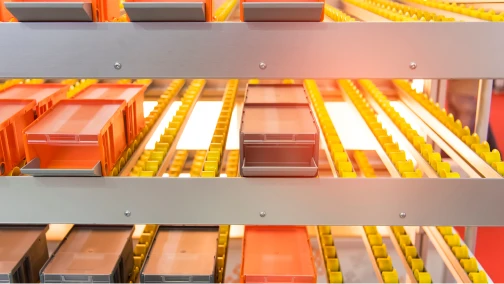
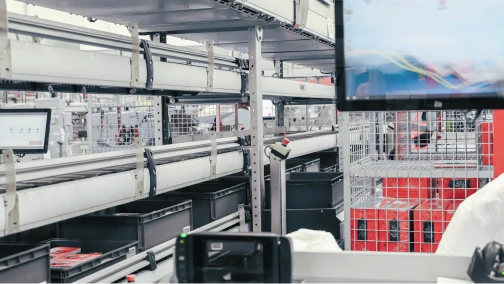
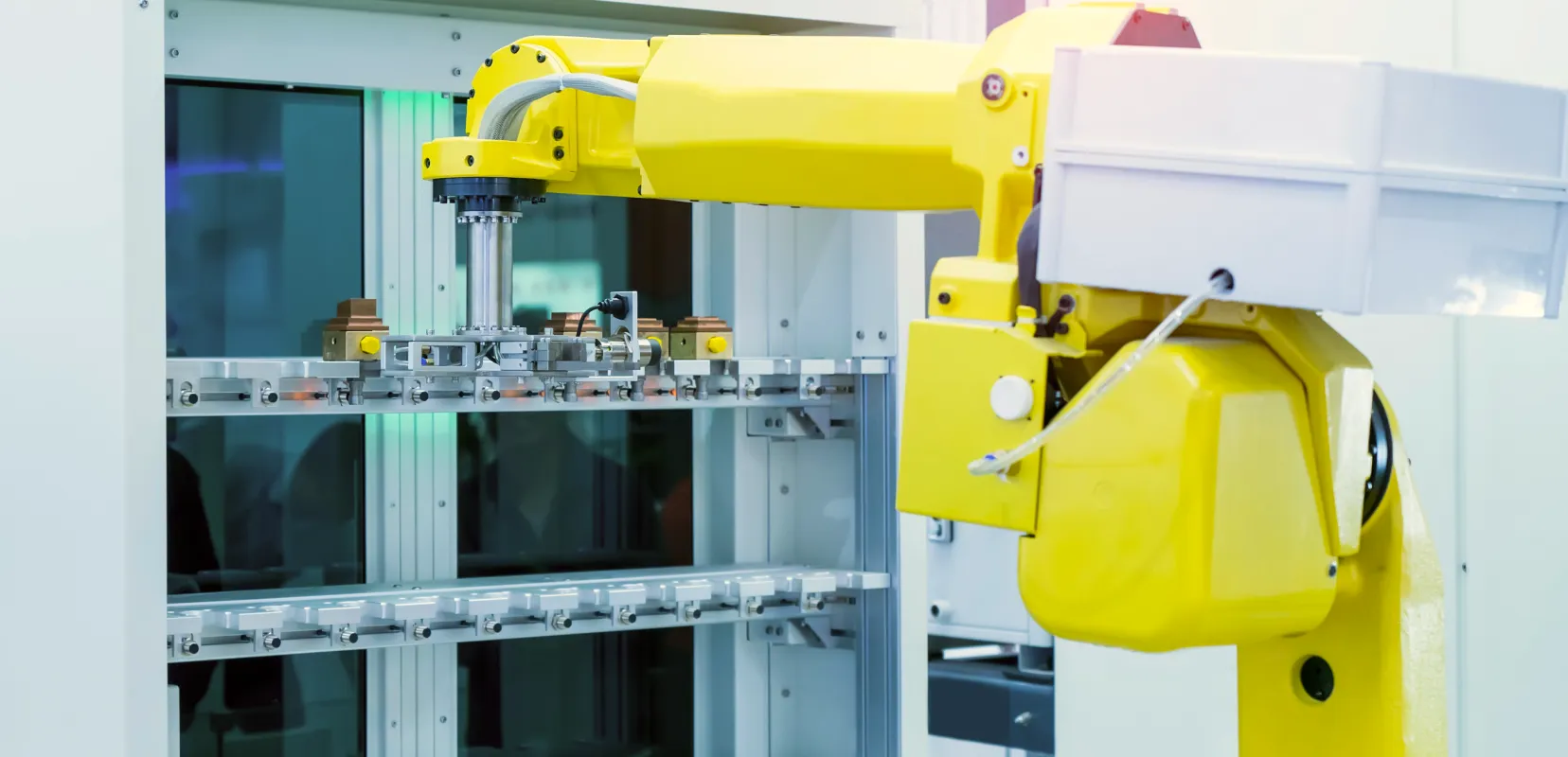
At the G2P workstations, the WCS dictates human interaction. The operator remains completely stationary while the system continuously presents sequence-optimized totes. To maximize efficiency, the software employs continuous order batching. If three separate online orders require the same SKU, the WCS will only retrieve the source tote once. The operator picks the required quantity and distributes it across the three separate outbound order bins simultaneously, directed by pick-to-light technology. This algorithmic batching drastically reduces the total mechanical cycles required by the robotic fleet, extending hardware lifespan and minimizing energy consumption.
Thermal Segregation and E-Grocery Deployment
The most complex iteration of the urban MFC is the e-grocery dark store. Groceries require strict adherence to distinct thermodynamic zones: ambient, chilled (+4°C), and frozen (-25°C). Managing these thermal gradients within a highly compressed urban footprint requires specialized engineering.
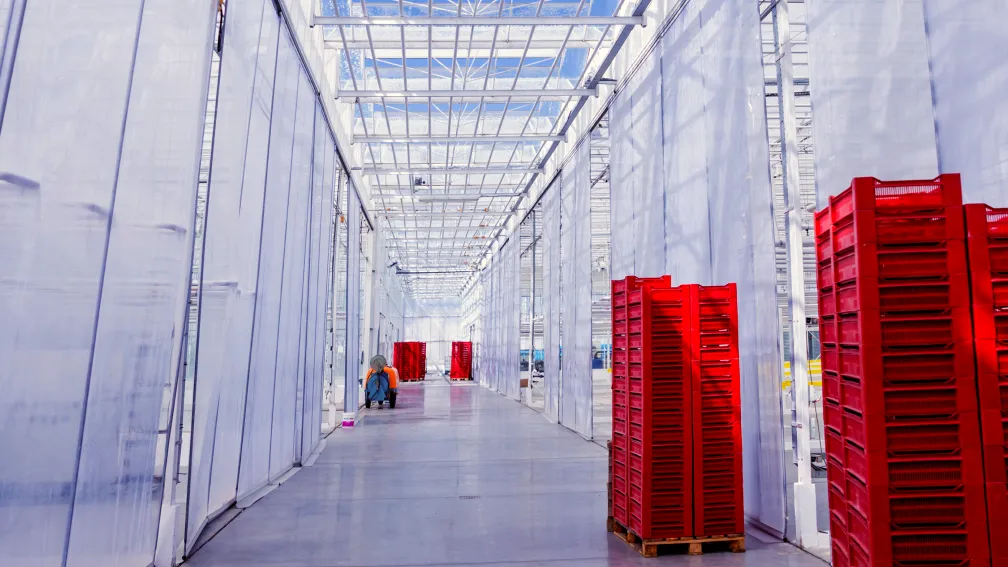
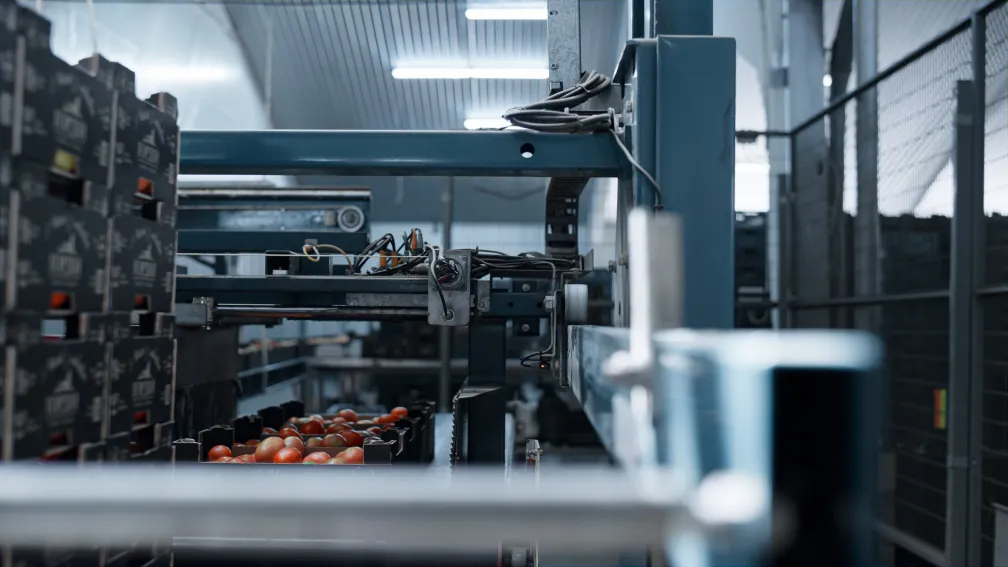
Systems engineers divide the automated grid using heavily insulated paneling, creating physically distinct climatic zones. Specialized automation, such as a localized Mini-Load ASRS or thermally-rated shuttle networks, operates within the sub-zero environment. When an order requires frozen items, the mechanical system transports the tote to an automated high-speed airlock. The thermal door opens for exactly a fraction of a second, allowing the tote to pass onto a conveyor that delivers it to a consolidated ambient packing station. The operator packs the frozen goods into validated thermal shipping containers, immediately securing the cold chain before dispatching the order to the courier platform.
API Middleware and Courier Synchronization
An urban MFC does not operate in digital isolation; it is directly tethered to the gig-economy delivery network. The WCS functions as a highly active API middleware hub, continuously communicating with courier platforms (e.g., UberEats, DoorDash, or proprietary delivery fleets).
To prevent massive crowds of delivery drivers from congregating and blocking the MFC location, the automation system stages finished orders inside the grid or in specialized automated locker buffers. The WCS tracks the exact GPS location of the assigned courier. It will only discharge the completed order to the final outbound pickup window precisely when the courier is physically approaching the building. This micro-synchronization eliminates dwell time, protects temperature-sensitive goods from sitting on ambient loading docks, and ensures a seamless, high-velocity handover.
Conclusion: The Strategic Imperative of Urban Automation
The Micro-Fulfillment Center represents a paradigm shift in logistics real estate and supply chain physics. By migrating inventory out of massive, distant warehouses and injecting it directly into the urban core, retailers can finally execute on the promise of immediate gratification.
However, an MFC is only viable when governed by deterministic automation. Attempting to run an urban dark store with manual labor inevitably fails against the mathematics of real estate costs and human kinematic limits. By deploying highly modular grid robotics, enforcing chaotic storage algorithms, and ensuring strict digital integration with last-mile courier networks, an engineered MFC transforms a constrained retail footprint into an ultra-high-throughput logistics engine.
→ Contact HOWEPROFIT’s systems engineering team to analyze your urban real estate constraints and architect a hyper-dense, grid-based AS/RS for your micro-fulfillment operations.
-

HOWEPROFIT Team
Warehouse Automation Specialists, HOWEPROFIT
The HOWEPROFIT Team consists of senior intralogistics engineers and supply chain experts specializing in advanced AS/RS and robotic fulfillment solutions. Backed by years of field experience across e-commerce, 3PL, and manufacturing sectors, we provide data-driven automation strategies, rigorous throughput simulations, and objective ROI modeling. Our mission is to help facilities seamlessly transition to high-efficiency, reliable, and scalable automated operations.