Frozen and chilled warehousing operates under economic constraints that do not exist in ambient facilities. Refrigeration typically accounts for 60 to 70 percent of a cold store's total energy consumption, and every cubic meter of cooled air carries a continuous operating cost. At the same time, the labor pool willing to work full shifts at -25°C is shrinking across North America and Europe, and food safety frameworks such as FSMA and EU Regulation 852/2004 demand unbroken temperature traceability from receiving to dispatch.
Automation addresses these constraints directly. An automated storage and retrieval system compresses inventory into a smaller refrigerated envelope, keeps doors closed longer, removes personnel from harsh zones, and records every pallet movement for audit purposes. This article examines the engineering requirements, architecture options, and software controls involved in automating temperature-controlled warehouses, based on design practices applied in operational frozen and chilled facilities.
The Economic Case for Automation in Sub-Zero Environments
Three cost drivers make cold storage the strongest candidate for warehouse automation in most logistics networks.
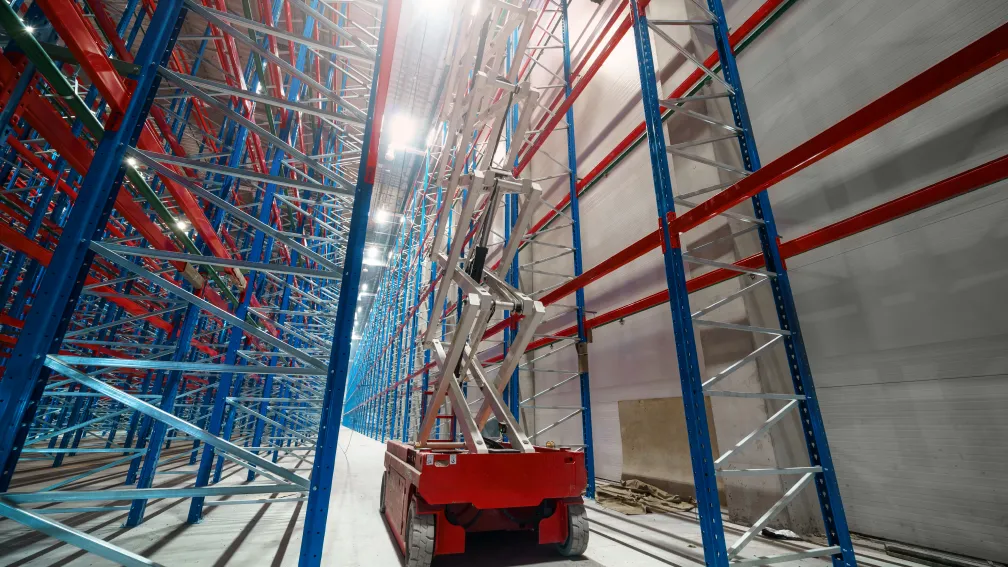
Energy density. Refrigeration load scales with the volume and surface area of the cooled space. A conventional forklift warehouse with 10-meter clear height wastes most of its refrigerated volume on empty air above the racks. A high-bay automated cold store reaching 30 to 40 meters packs three to four times the pallet positions into the same footprint, and the reduced roof and wall area per pallet position cuts heat infiltration proportionally. In practice, automated high-bay cold stores report refrigeration energy savings of roughly 30 percent or more per pallet stored compared with conventional low-bay freezer buildings.
Labor economics. Freezer work is expensive and difficult to staff. Operators at -25°C require mandatory warm-up breaks, insulated gear, and premium wages, and measured picking productivity in freezer environments runs well below ambient benchmarks. Injury rates rise because cold reduces dexterity and concentration. Every operator removed from the frozen zone removes a recurring cost and a safety liability.
Product protection. Manual handling creates temperature excursions. Pallets staged on docks waiting for a forklift accumulate minutes outside the cold envelope. Automated conveyor and crane interfaces move loads through airlocks in seconds, which protects product quality and preserves shelf life that the downstream retailer can actually sell.
Equipment Engineering for Low-Temperature Operation
Standard warehouse automation hardware fails quickly in a freezer. Cold-store machines require specific engineering adaptations.
Materials and Lubrication
Carbon steel loses ductility as temperature falls and can fracture under impact loads below its ductile-to-brittle transition point. Rack structures, crane masts, and shuttle frames installed in freezers operating at -25°C or lower are specified in low-temperature steel grades that retain toughness at design temperature. Weld procedures and bolted connections follow the same low-temperature design rules used in structural codes for cold climates.
Standard greases thicken below -10°C and eventually stall bearings and gearboxes. Cold-store machines run on synthetic low-temperature lubricants rated for continuous service at the facility's setpoint, and critical gearboxes in deep-freeze cranes are often fitted with heaters that keep oil within its viscosity window during standby periods.
Batteries, Electronics, and Condensation Control
Lithium battery capacity drops sharply at low temperature, and charging a cold cell damages it. Pallet shuttles and four-way shuttles working in freezers therefore carry insulated, heated battery compartments, and charging stations are placed in adjacent temperate zones so vehicles charge warm. Control cabinets use industrial components rated for the temperature range, with heated enclosures where condensation is a risk.
Condensation is the less obvious failure mode. Any machine that moves from -25°C into ambient air immediately collects moisture, which then freezes into ice on sensors, encoders, and guide rails when it re-enters the cold zone. Sound cold-store design keeps machines permanently inside the refrigerated envelope; only the pallets travel out, through airlocks. This single design decision eliminates most frost-related downtime in automated cold stores.
Selecting the Storage Architecture
The right architecture depends on SKU count, throughput profile, and whether the building is new or existing.
Unit-Load AS/RS for High-Selectivity Frozen Distribution
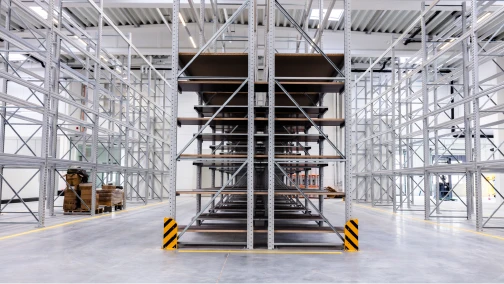
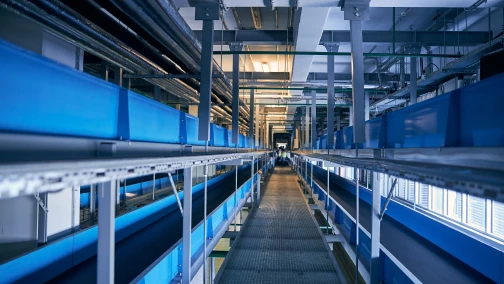
A unit-load AS/RS uses aisle-bound cranes storing pallets single-deep or double-deep, giving 100 percent selectivity to every pallet position. This suits frozen distribution centers handling hundreds of SKUs with first-expired-first-out rotation, such as ice cream, ready meals, and frozen protein distribution, where any pallet may be called at any time. Crane-based systems also scale to the tallest buildings, which maximizes the energy-density advantage described above.
Four-Way Shuttles for Dense, Low-SKU Buffering
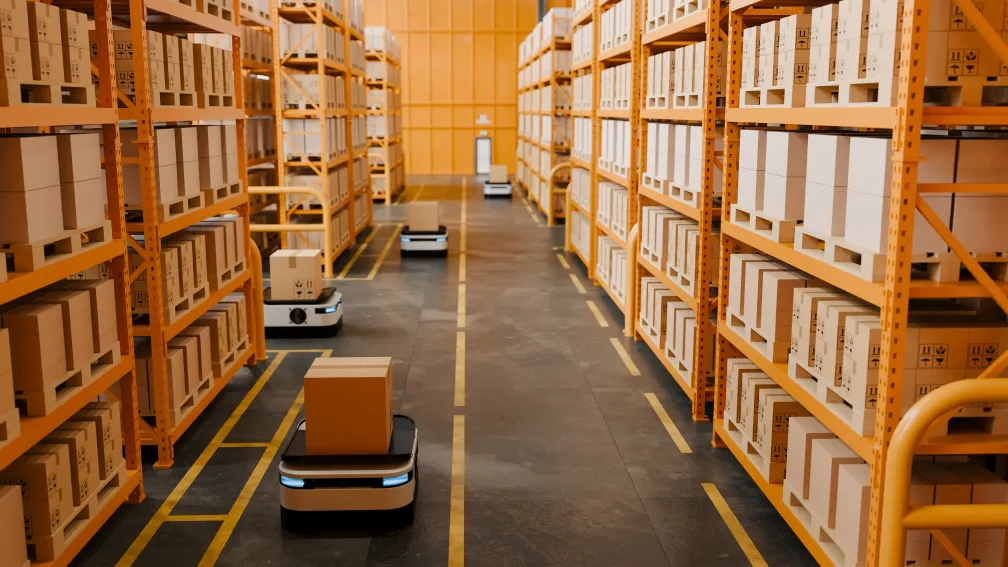
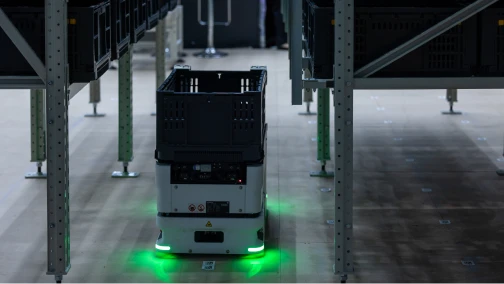
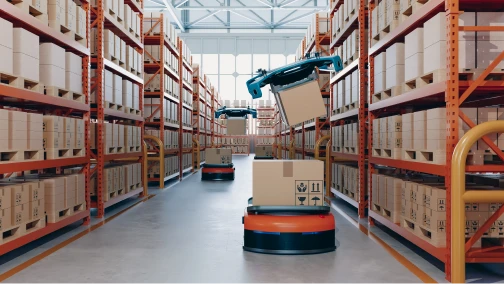
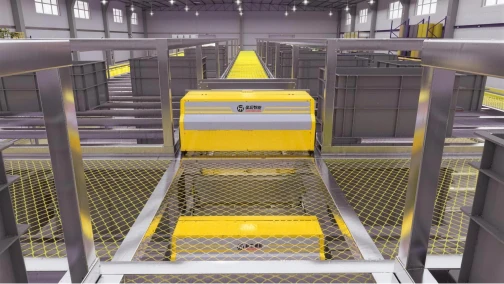
A four-way shuttle system stores pallets multiple positions deep in a block structure, with shuttles traveling in both horizontal directions and lifts moving between levels. Density is significantly higher than crane systems because there are no crane aisles, which makes it the preferred choice for production-adjacent cold buffers holding large quantities of a limited SKU range, for example a frozen bakery or an ice cream plant buffering one to three days of production before order picking. Throughput scales by adding shuttles rather than aisles, so the system can grow with production volume.
Mobile Pallet Racking as a Lower-Capex Alternative
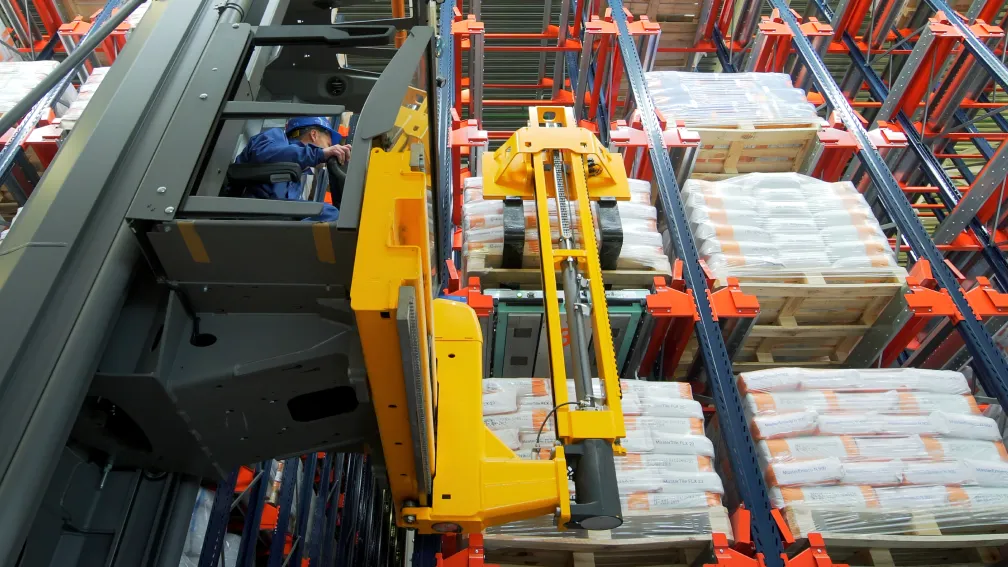
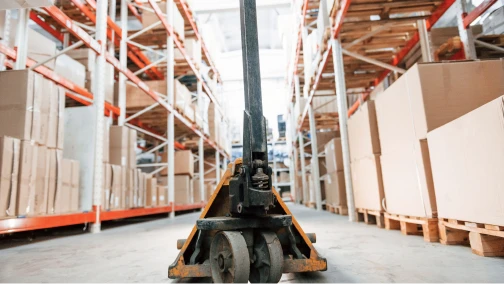
Mobile pallet racking mounts conventional selective racks on motorized bases that travel on floor rails, opening a single working aisle where the forklift needs it. It retains manual forklift operation but roughly doubles capacity within an existing freezer building. For operators who cannot yet justify full automation, or who run low-throughput cold stores, mobile racking captures most of the density benefit at a fraction of the capital cost, and it converts existing buildings without structural modification.
| Architecture | Selectivity | Storage Density | Throughput | Best-Fit Cold Storage Scenario |
|---|---|---|---|---|
| Unit-load AS/RS (crane) | 100% | High (single/double-deep, up to 40 m) | High, aisle-scaled | Multi-SKU frozen distribution with strict FEFO |
| Four-way shuttle | Lane-based (FEFO by lane) | Very high (multi-deep block) | Scales with shuttle count | Low-SKU production buffering, high-volume dispatch |
| Mobile pallet racking | 100% | Medium-high (one moving aisle) | Low to medium, forklift-limited | Existing freezer buildings, lower budgets, low SKU velocity |
Keeping the Cold In: Interface and Door Design
Airlocks and High-Speed Doors
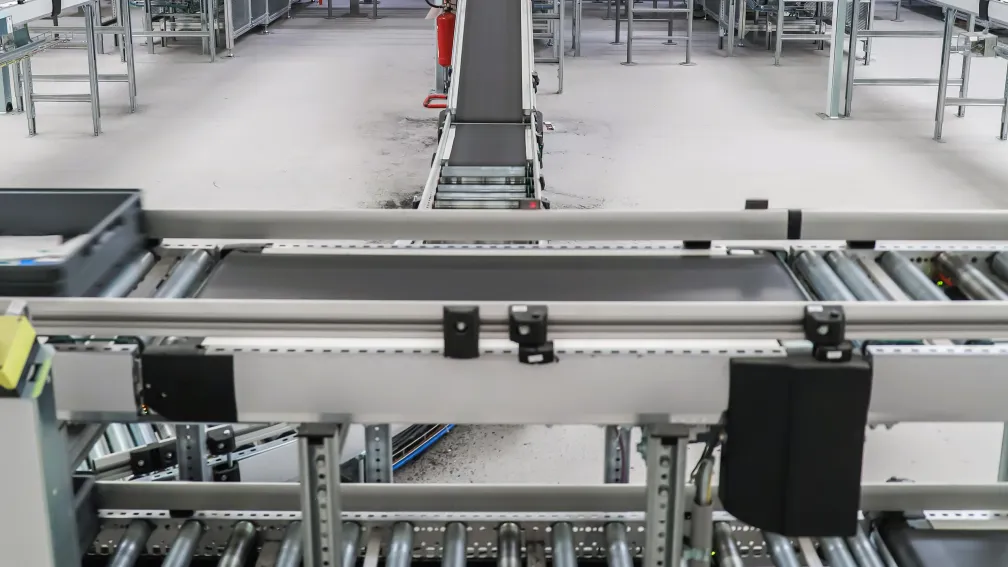
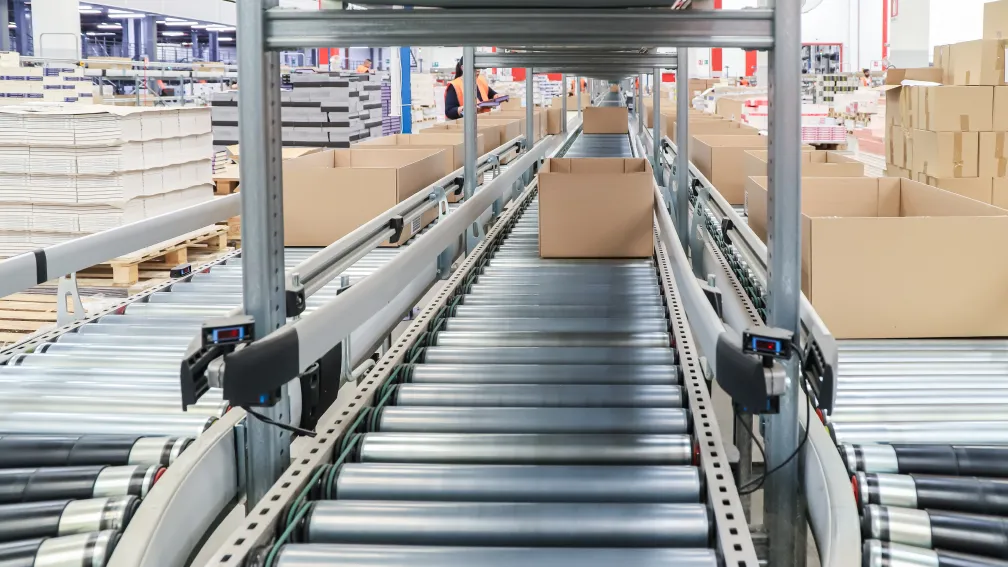
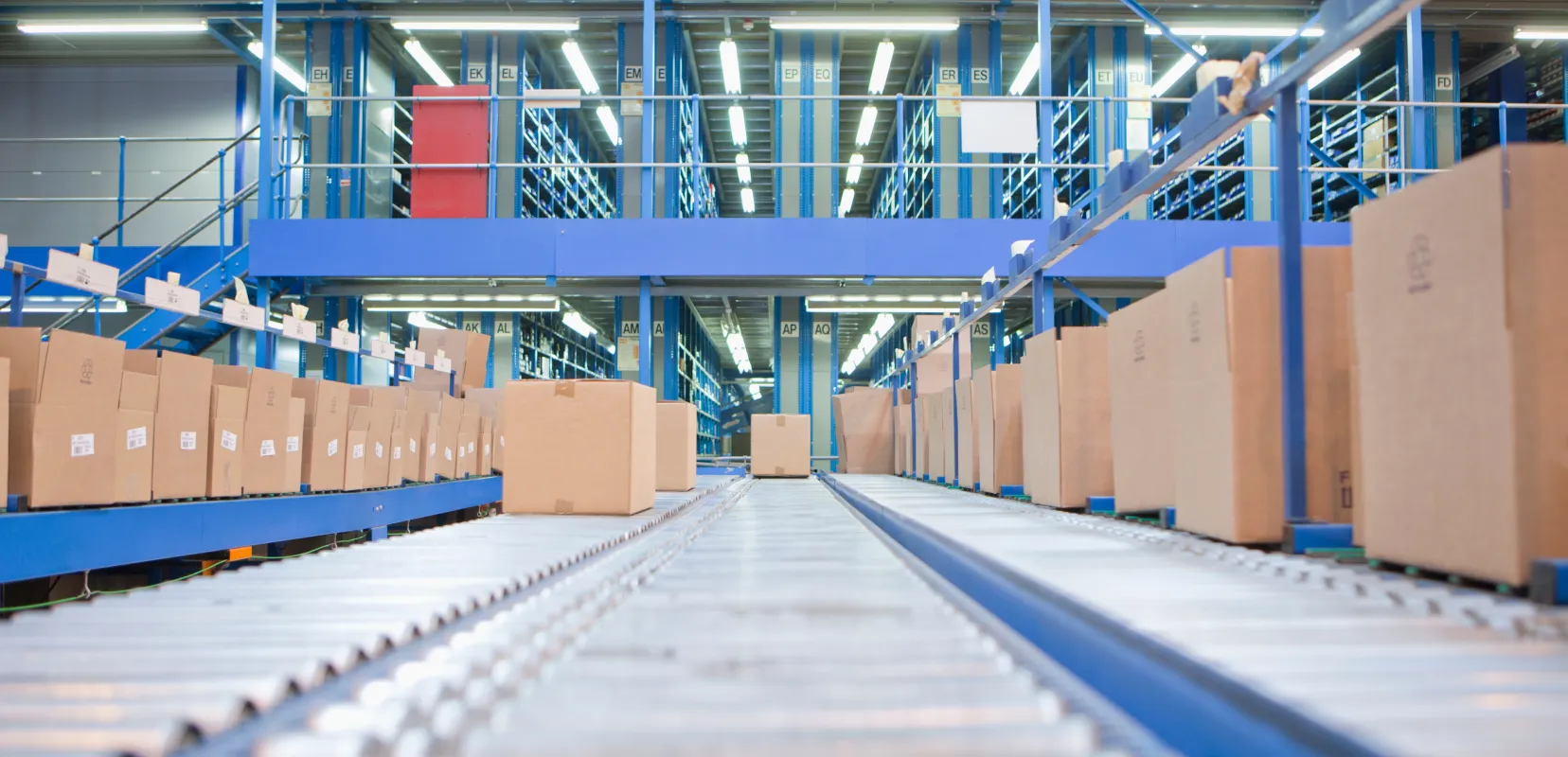
Every opening between the cold envelope and ambient air costs energy and admits moisture. Automated cold stores interface the storage block to dock areas through conveyor-fed airlocks equipped with interlocked high-speed doors, typically roll-up or insulated vertical doors with opening speeds above two meters per second. The doors are interlocked so that the cold-side and warm-side doors are never open simultaneously, and the airlock between them is sized to the load plus conveyor safety clearance. Some designs add air curtains or slight positive pressure on the warm side to suppress moisture ingress further.
Dwell Time and Staging Buffers
Door open time depends on how fast loads clear the airlock. The warehouse control system sequences pallet retrievals so that a load arrives at the airlock only when the outbound path is clear, and dispatch lanes are sized to stage a full truck load within the truck's scheduled loading window. The objective is straightforward: doors open when a pallet is physically passing through, and close immediately after. In a well-tuned installation, cold-side doors stay closed more than 90 percent of the operating day.
Software Controls for the Cold Chain
Cold chain compliance is a software problem as much as a hardware one. The warehouse management system maintains lot-level traceability for every pallet, records storage location history, and enforces first-expired-first-out retrieval logic automatically. When a quality hold is placed on a batch, the system locks the affected storage coordinates so no crane or shuttle can present that product for dispatch, and the hold is only released through an authorized quality workflow.
Integration with the facility's temperature monitoring system closes the audit loop. Pallet movement records combined with zone temperature logs provide the unbroken custody and condition record that FSMA sanitary transportation rules and EU hygiene regulations expect. During a recall or a regulatory inspection, the operator can produce a complete movement and temperature history for any lot within minutes rather than days of manual record searching.
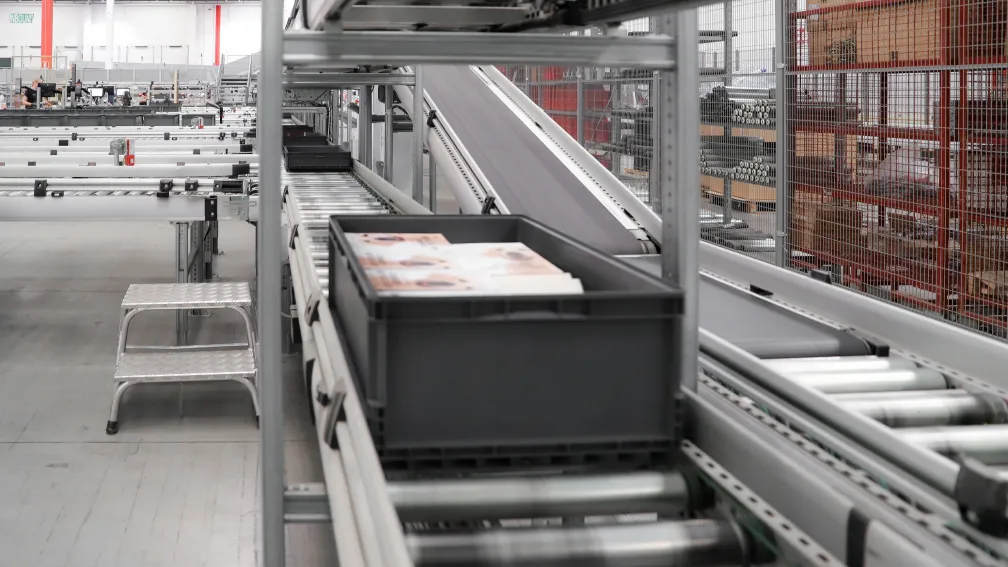
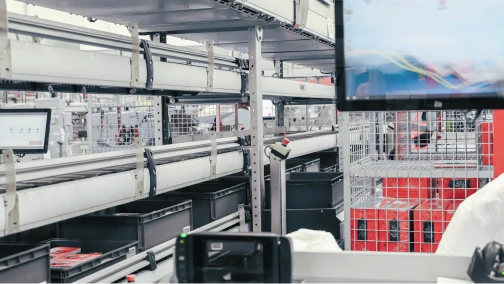
For chilled operations handling cartons and totes rather than full pallets, a mini-load AS/RS applies the same architecture at case level, which is common in pharmaceutical cold rooms and fresh-food e-commerce picking where order lines are small and SKU counts are high.
Measuring the Return
The business case for cold storage automation rests on four measurable items: refrigeration energy saved through higher density and reduced door open time; direct labor removed from the freezer, typically the largest single line item; product loss avoided through fewer temperature excursions and better FEFO discipline; and revenue capacity gained when the same land supports three to four times the pallet positions. Payback periods for automated cold stores commonly fall in the three-to-five-year range, shorter where energy prices or freezer wage premiums are high, and the density gain often defers or eliminates the need for new building construction, which carries its own capital and permitting cost.
Conclusion
Cold storage concentrates every weakness of manual warehousing: high energy cost per cubic meter, scarce and expensive labor, strict traceability obligations, and product that degrades with every minute outside the cold envelope. Automated storage architectures, engineered for low-temperature operation and paired with disciplined door and software control, address all four. The technology choice between crane-based unit-load systems, four-way shuttle blocks, and mobile racking follows the SKU profile and throughput of the operation, not a universal formula.
If you are evaluating automation for a frozen or chilled facility, contact our engineering team with your SKU count, daily pallet movements, and building dimensions. We will return a storage architecture recommendation with density and throughput calculations specific to your operation.
Frequently Asked Questions
-

HOWEPROFIT Team
Warehouse Automation Specialists, HOWEPROFIT
The HOWEPROFIT Team consists of senior intralogistics engineers and supply chain experts specializing in advanced AS/RS and robotic fulfillment solutions. Backed by years of field experience across e-commerce, 3PL, and manufacturing sectors, we provide data-driven automation strategies, rigorous throughput simulations, and objective ROI modeling. Our mission is to help facilities seamlessly transition to high-efficiency, reliable, and scalable automated operations.