The Material Handling Crisis in Textile Warehousing
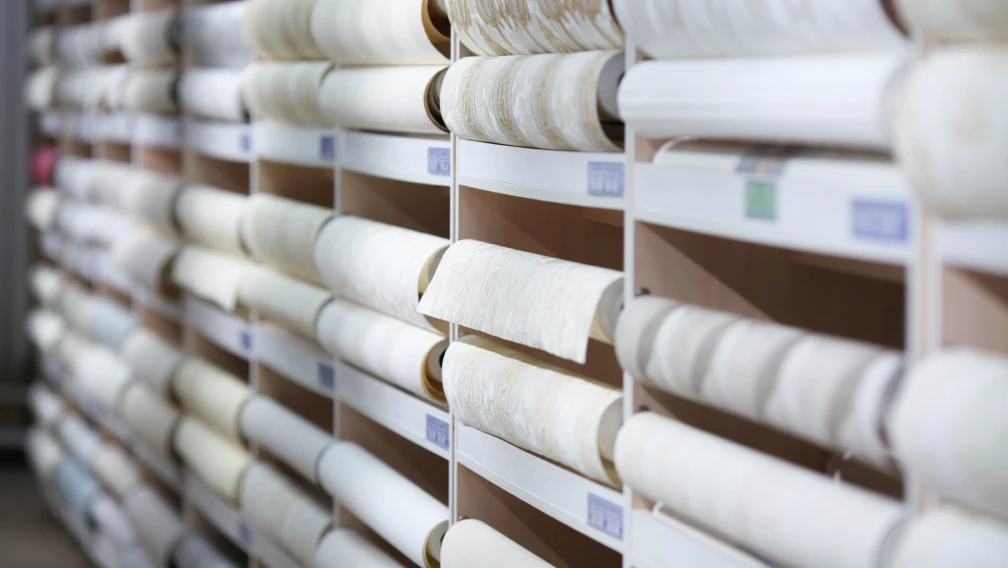
Fabric rolls represent one of the most mechanically challenging inventory profiles in industrial logistics. A single technical textile or home-textile roll can measure over 1.6 meters in width, weigh anywhere from 30 to 200 kilograms, and develop permanent creases or edge crushing if subjected to improper support or excessive static loads. In conventional manual warehouses, rolls are typically stored horizontally on cantilever racks or stacked on the floor. This traditional approach triggers severe operational bottlenecks: warehouse personnel spend more time searching, unstacking, and manually lifting heavy rolls than executing value-added tasks, while the cutting room frequently experiences material starvation.
Furthermore, manual handling introduces severe quality and financial losses. Without strict First-In-First-Out (FIFO) enforcement, natural and blended fabrics age out, resulting in high scrap write-offs. Dye-lot tracking failures lead to mismatched panels during final assembly, and imprecise manual cutting generates significant fabric waste per blade cycle. Automated storage and retrieval systems (AS/RS) engineered specifically for cylindrical loads resolve these constraints by replacing manual cart retrieval with high-density vertical storage, dye-lot indexing, and direct cutting-room integration.
Why Fabric-Roll Storage Demands Specialized Mechanics
Standard pallet-handling AS/RS frameworks cannot be deployed for textile rolls because a fabric roll lacks a flat pallet base and possesses a rolling geometry that requires dedicated constraint mechanics. Automating this material class requires purpose-built handling engineering.
Palletless Handling and Roll-Specific Effectors
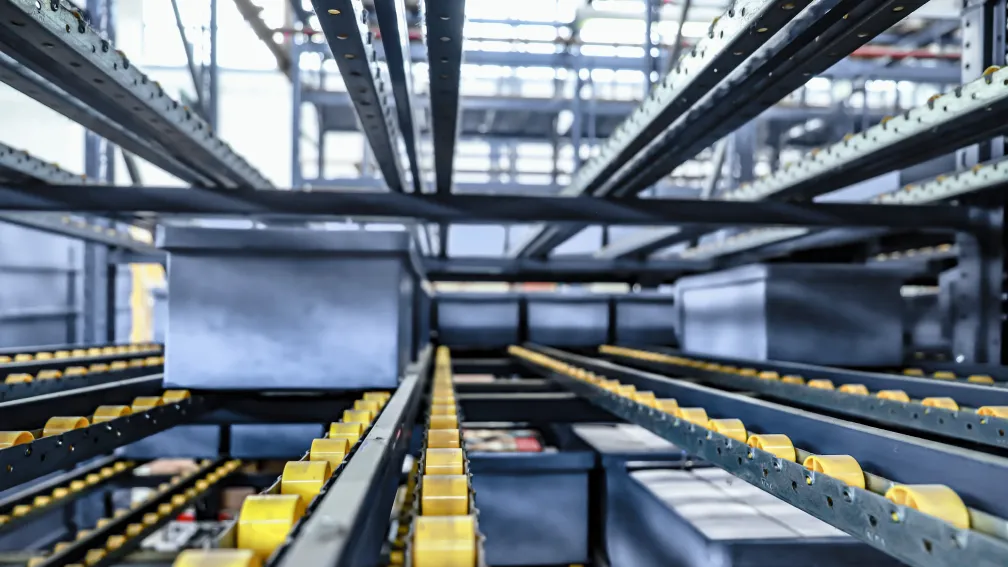
Instead of standard telescopic pallet forks, automated stacker cranes or shuttles utilize specialized cradles, shaped support forks, or core-engaging mandrels. These effectors cup the roll along its entire longitudinal axis or engage the inner core, distributing the weight evenly and preventing point-load deformation. By eliminating the wooden pallet entirely, the system allows rolls to be slotted directly into customized rack channels, drastically increasing volumetric storage density.
Diameter and Width Tolerance Management
As fabric rolls are consumed in the cutting room, their outer diameter progressively shrinks. Racking slots and robotic grippers must be engineered with adjustable tolerances to accommodate the wide spectrum of diameters—from a full 600 mm roll down to a thin 150 mm remnant. Software must dynamically update the remaining length and outer diameter profile after every partial retrieval, ensuring the storage matrix remains dimensionally accurate.
Architectures for Fabric Roll Automation
Depending on the throughput and physical dimensions of the textile inventory, facilities deploy distinct automated frameworks.
One-Bin-Per-Slot Robotic Storage
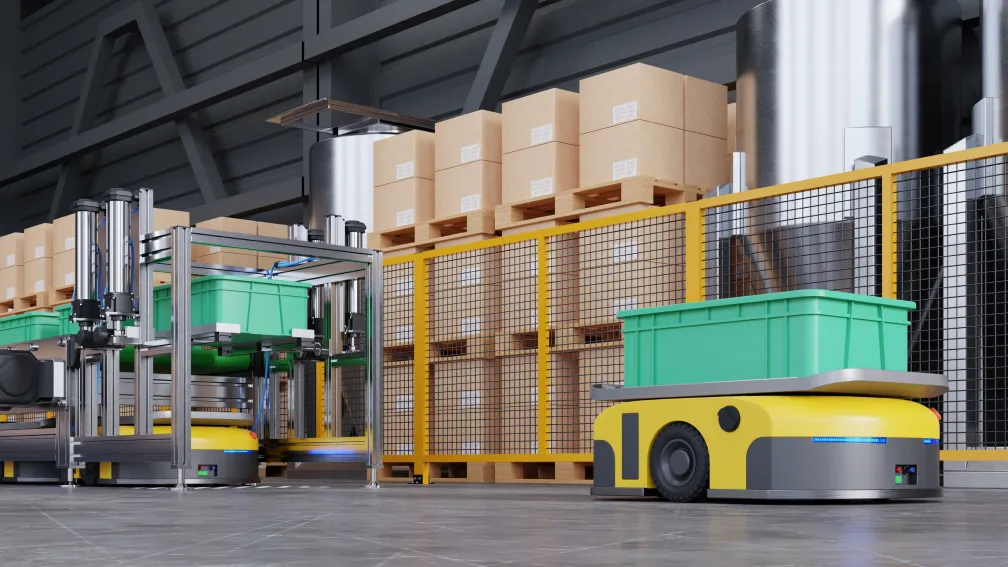
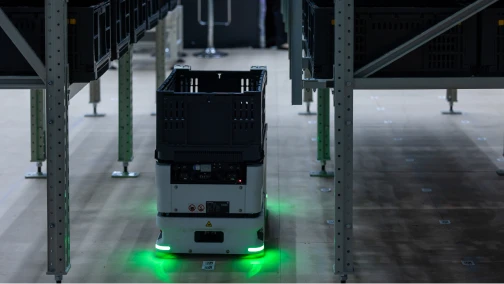
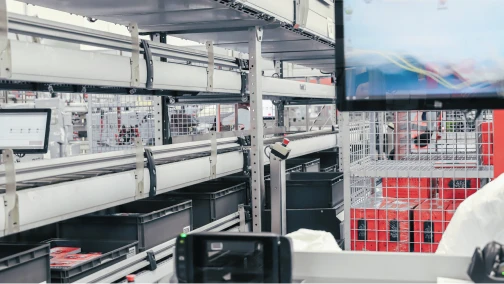
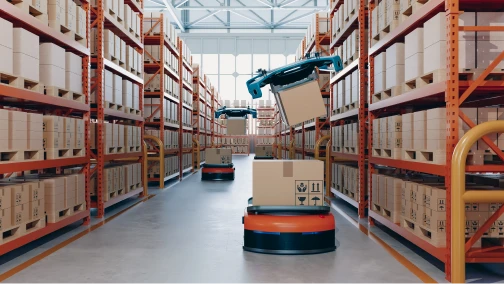
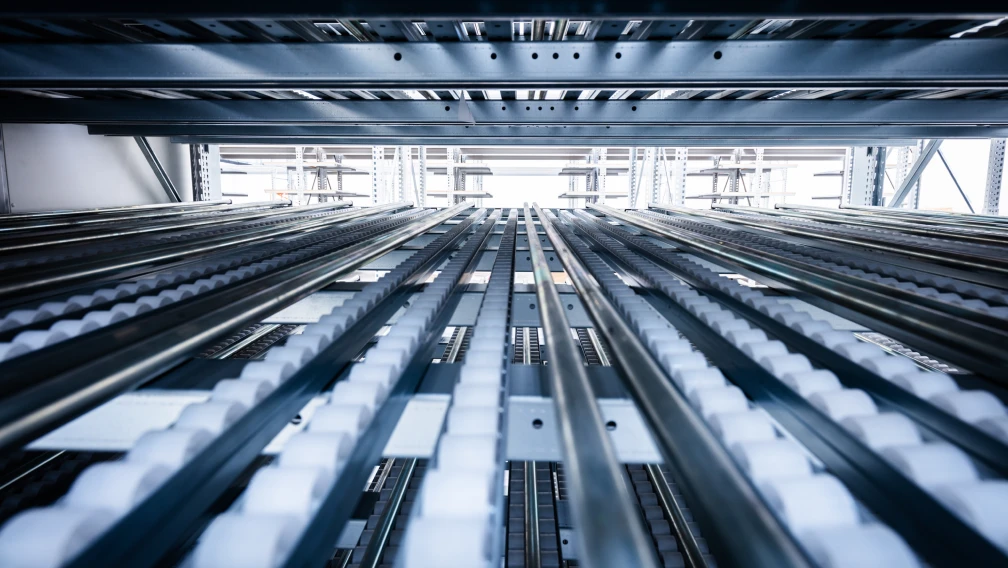
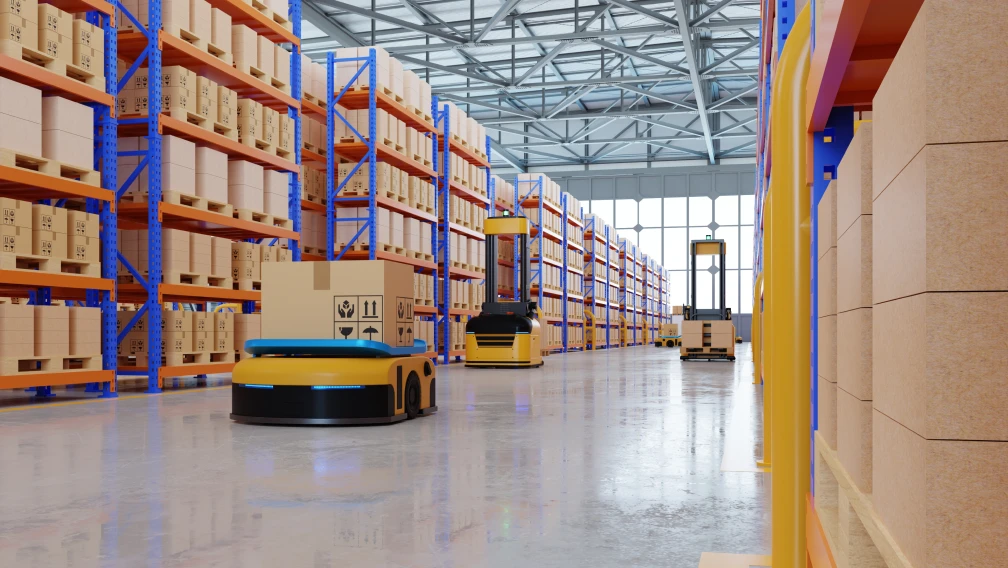
For standard apparel and home-textile rolls, the one-bin-per-slot robot system provides exceptional inventory granularity. Each roll is assigned to an individual, indexed storage slot, allowing the Warehouse Management System (WMS) to track exact dye lots, widths, and remaining lengths without manual intervention.
Heavy-Duty Unit-Load AS/RS for Raw Materials
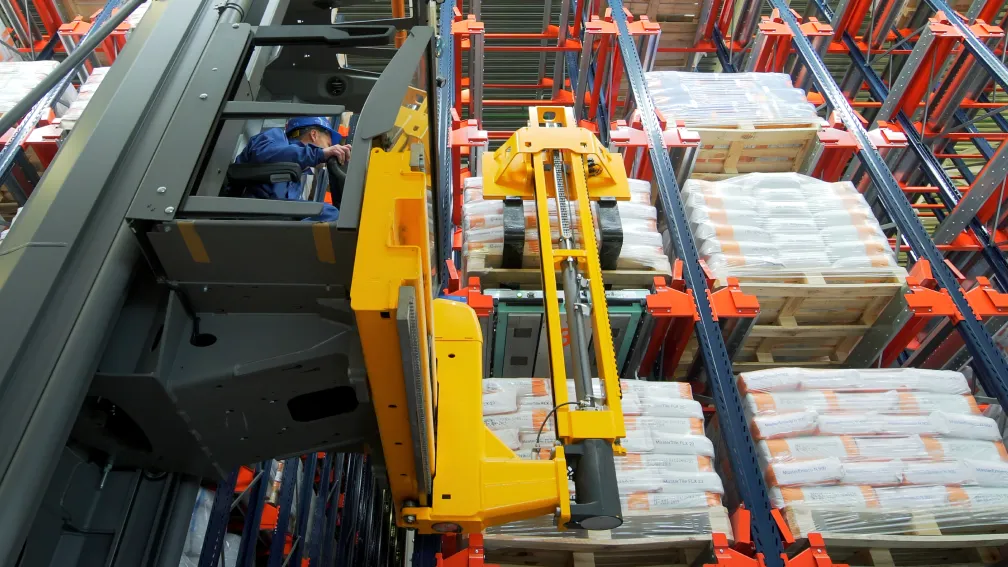
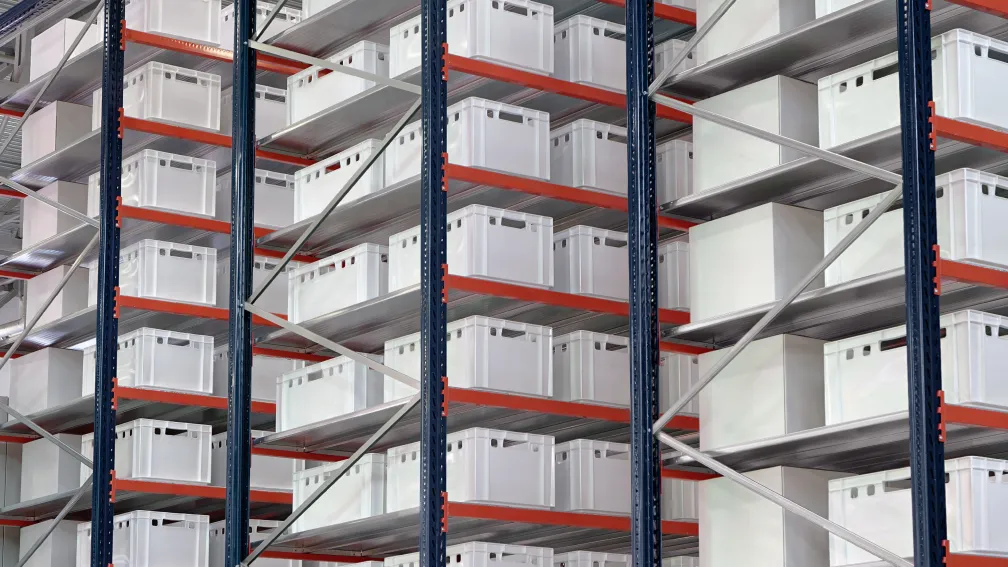
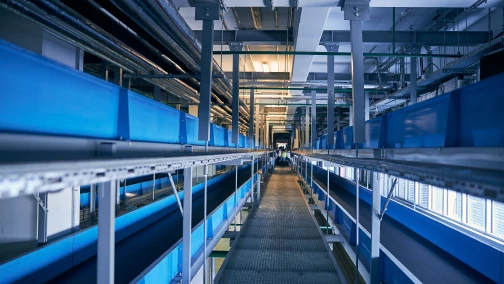
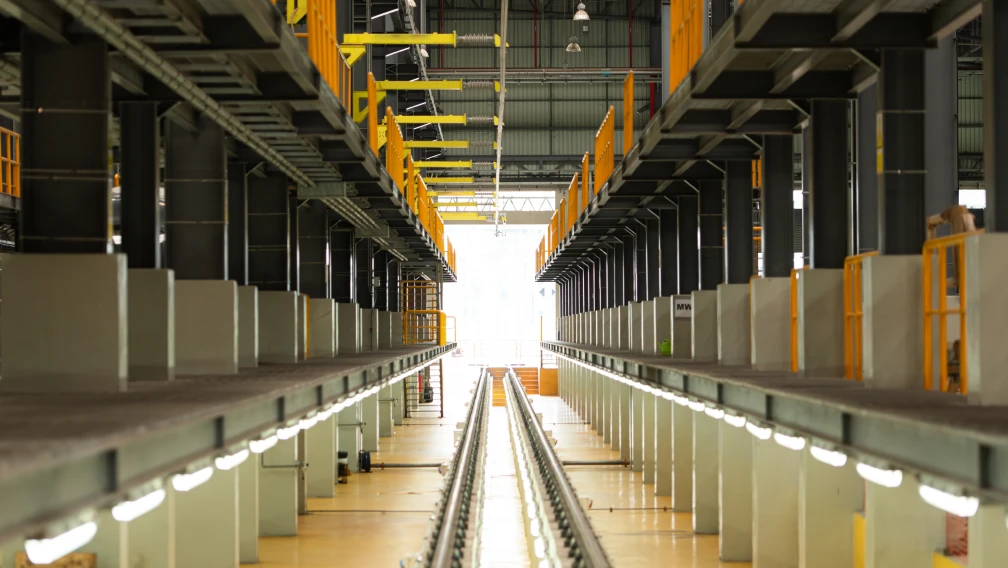
For heavy industrial fabrics, technical textiles, or massive raw material rolls that exceed light robot payloads, a Unit-Load AS/RS utilizing reinforced stacker cranes is deployed. These systems manage high-bay structures up to 25 meters, doubling or tripling the storage capacity of legacy flat warehouses.
Gantry Systems for Oversized Rolls
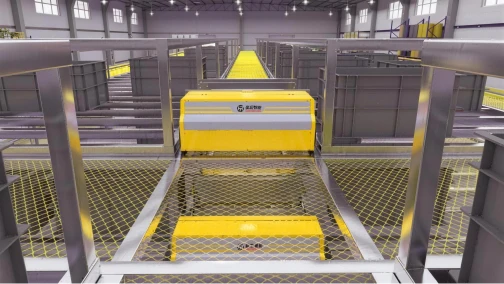
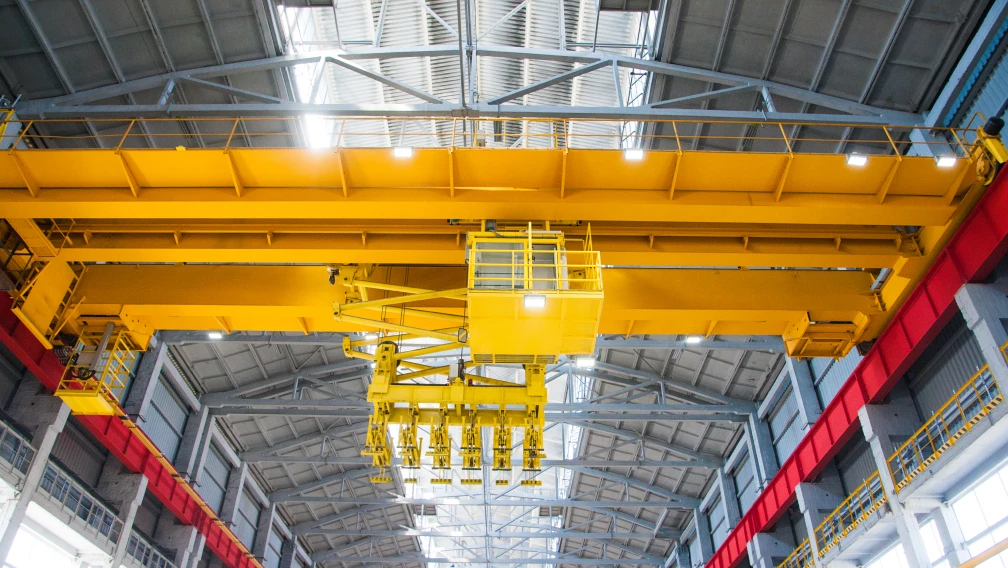
Curtain, drapery, and wide industrial fabrics require specialized handling. Our gantry storage system utilizes overhead bridge structures and multi-tier floor grids to safely manage extra-long rolls, linking storage directly to automated spreading tables.
Cutting-Room Integration and Remnant Recovery
The ultimate financial justification for automating a textile warehouse lies in its direct connection to the cutting room. Traditional operations suffer from high material waste due to unmanaged remnants and manual cutting errors.
Synchronized Line Feeding
The Warehouse Management System receives cutting orders directly from the enterprise planning software, sequences the required fabric rolls by colorway and dye lot, and stages them at the spreading station ahead of time. This eliminates cutting-room downtime and prevents wrong-lot mixing.
Remnant Tracking and Value Recovery
When a cutting order is completed, the remaining length on the active roll is measured and logged back into the database. Partial rolls are automatically prioritized for subsequent compatible orders rather than being buried in the back of a rack or sold off as low-value scrap by the kilo. Facilities utilizing automated remnant tracking routinely recover double or triple the scrap value on material that was previously written off.
| Operational Metric | Manual Textile Storage | Automated AS/RS Solution |
| Vertical Space Utilization | Low. Limited by cantilever rack height and manual reach. | High. Maximizes vertical cube up to 25 meters. |
| Dye-Lot Control | Manual logs. High risk of shade-off defects during cutting. | Digital indexing. WMS enforces strict lot segregation. |
| Inventory Accuracy | 70% - 85% due to hidden rolls and uncounted remnants. | Exceeds 99% via real-time automated tracking. |
| Cutting-Room Wait Time | High. Frequent production stalls waiting for material search. | Zero. Just-in-time automated staging to the table. |
Validating the Textile Automation Investment
Upgrading textile logistics transforms a labor-intensive, high-waste environment into a predictable, high-yield operation. By combining palletless roll handling, strict dye-lot FIFO enforcement, and automated cutting-room synchronization, manufacturers reclaim valuable floor space and eliminate material write-offs.
→ Contact HOWEPROFIT’s engineering team to model a textile warehouse automation solution for your facility.
-

HOWEPROFIT Team
Warehouse Automation Specialists, HOWEPROFIT
The HOWEPROFIT Team consists of senior intralogistics engineers and supply chain experts specializing in advanced AS/RS and robotic fulfillment solutions. Backed by years of field experience across e-commerce, 3PL, and manufacturing sectors, we provide data-driven automation strategies, rigorous throughput simulations, and objective ROI modeling. Our mission is to help facilities seamlessly transition to high-efficiency, reliable, and scalable automated operations.