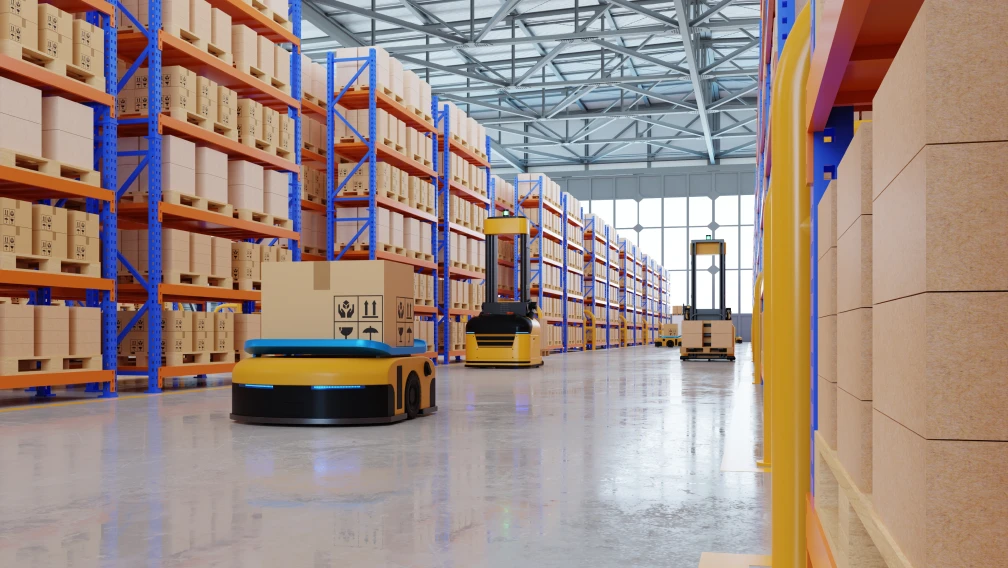
The lithium-ion battery supply chain stores more concentrated value and more concentrated risk per square meter than almost any other product category. A single pallet of EV battery modules can exceed $50,000 in value and carries an inherent fire hazard that persists from cell formation through end-of-life recycling. At the same time, gigafactory output rates and EV distribution volumes have grown past the point where manual forklift operations can maintain the required throughput, traceability, and safety discipline.
Automated storage and retrieval systems have become the standard logistics backbone for battery cell manufacturing, module and pack assembly, and finished battery distribution. Designing an AS/RS for lithium-ion inventory, however, is a distinct engineering discipline. Fire codes constrain rack geometry, state-of-charge rules constrain inventory logic, and regulatory traceability requirements constrain software design. This article examines the storage architectures, fire protection engineering, and software controls involved in automating battery logistics, based on design practice across cell plants and battery distribution facilities.
Why Battery Inventory Is a Distinct Storage Problem
Four characteristics separate lithium-ion storage from conventional palletized goods.
Thermal runaway exposure. A damaged, defective, or internally shorted cell can enter thermal runaway, a self-sustaining exothermic reaction reaching temperatures above 600°C and releasing flammable gases. In a dense storage array, one event can propagate to adjacent pallets. Storage design therefore treats propagation containment as a primary design objective, on equal footing with throughput.
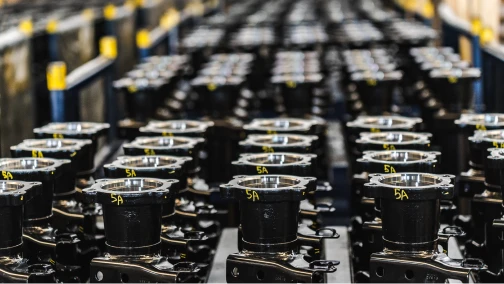
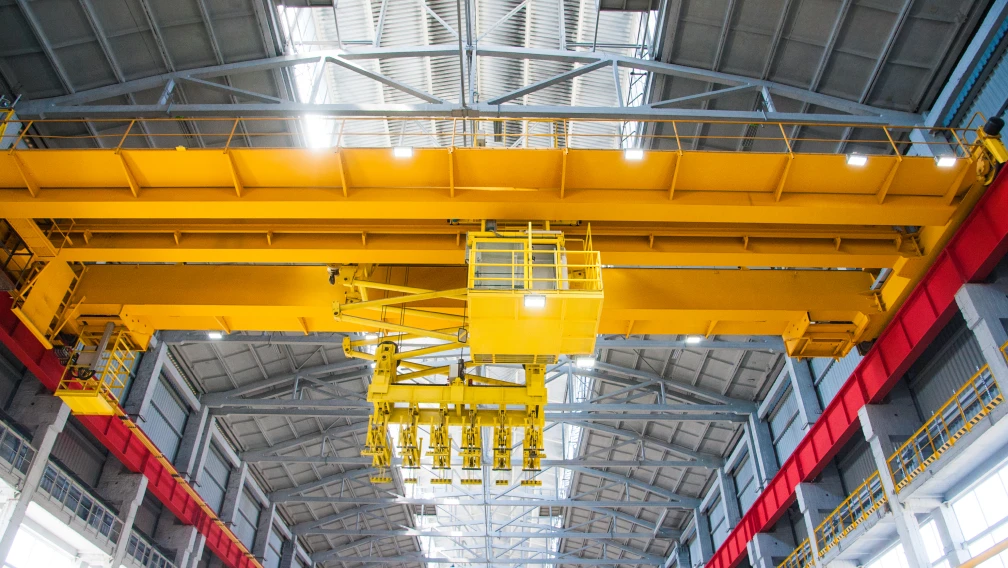
Extreme weight. Battery modules and packs are among the densest palletized goods in industry. A pallet of EV modules routinely weighs 800 to 1,500 kg, and packs for electric trucks or energy storage containers exceed this. Handling equipment, rack structures, and floor slabs must all be rated accordingly, which rules out a large share of standard light-duty automation hardware.
Value density. The inventory value per pallet position is exceptionally high, so accuracy, damage prevention, and location certainty carry direct financial weight. A misplaced or damaged pallet is a five-figure loss, and manual handling damage rates that would be tolerable in consumer goods are unacceptable here.
Mandatory traceability. Battery regulations in the EU, North America, and China require cell-level or pack-level traceability through the supply chain, and the EU Battery Regulation adds digital battery passport obligations. The warehouse software must maintain an unbroken identity record for every unit from inbound receipt to outbound shipment.
Fire-Safe AS/RS Architecture
Fire protection drives the physical design of a battery AS/RS more than in any other application.
Rack Compartmentation and Detection
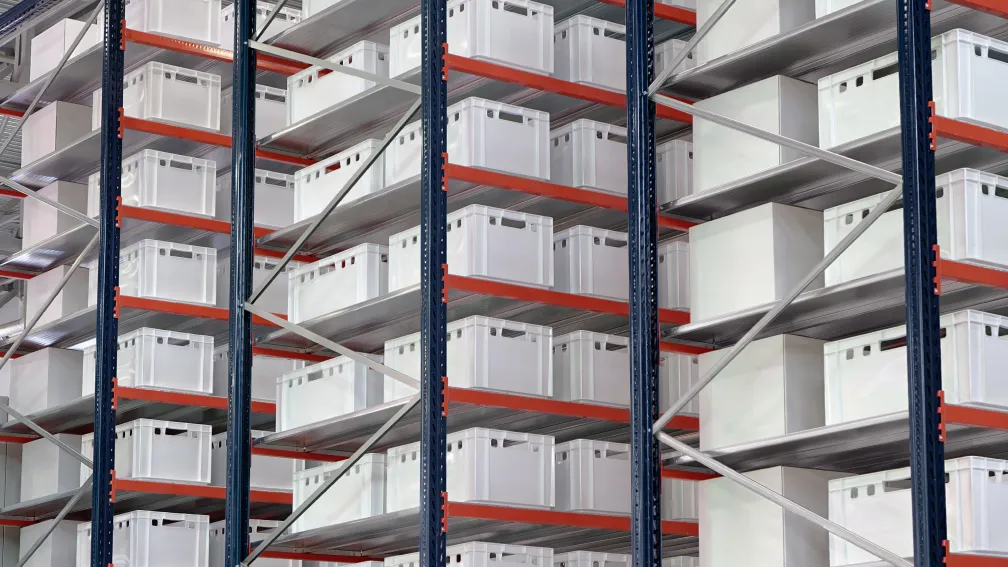
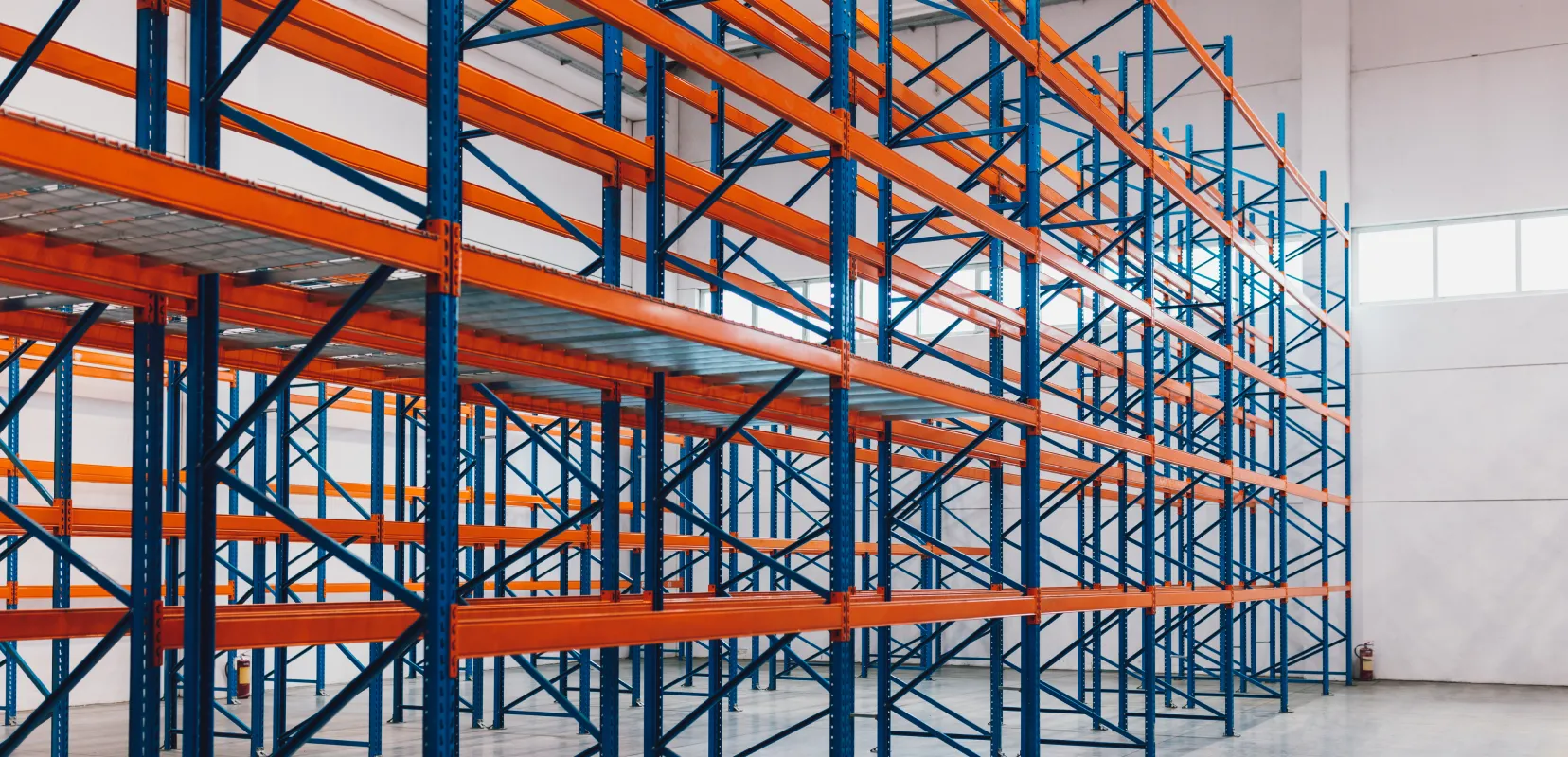
Dense multi-deep storage concentrates thermal runaway propagation risk, so battery rack designs favor compartmentation. Steel or fire-rated barrier panels divide rack bays into isolated cells, limiting the pallet count exposed to any single event and creating defined fire compartments that suppression systems can address individually. Solid decking under each level interrupts vertical fire spread, at the cost of some rack density and sprinkler design complexity.
Detection happens in layers. Aspirating smoke detection samples air continuously from within the rack structure and identifies pre-fire off-gassing far earlier than ceiling-level detectors. Thermal cameras scan rack faces for abnormal heat signatures, and many installations add off-gas sensors tuned to the electrolyte compounds released in the earliest failure stage. The objective is detection at the incipient cell-venting phase, minutes before open flame, because that window is when intervention still prevents propagation.
Suppression and Emergency Extraction
Sprinkler design for battery storage follows the applicable fire codes, such as NFPA 855 in the United States and equivalent national standards elsewhere, which prescribe density, coverage, and water supply duration for lithium-ion inventory. Beyond suppression, advanced designs add an emergency extraction function: when the detection system flags a specific pallet, the warehouse control system directs the crane or shuttle to pull that pallet and deposit it into an isolated quarantine station, typically a steel containment enclosure or an outdoor transfer point. Removing the failing unit from the rack before full thermal runaway is the single most effective propagation countermeasure, and it is only possible because the automation provides immediate physical access to every position.
State-of-Charge Discipline
Thermal runaway probability and severity both scale with state of charge. Industry practice and several insurance frameworks limit stored inventory to a maximum SoC, commonly 30 percent for long-term storage. The warehouse management system enforces this at receiving: pallets arriving above the SoC limit are rejected to a discharge station rather than inducted. This is a software rule, but it depends on the AS/RS providing a physical quarantine destination and controlled re-induction after conditioning.
Storage Architectures for Battery Logistics
Unit-Load AS/RS for Modules and Packs
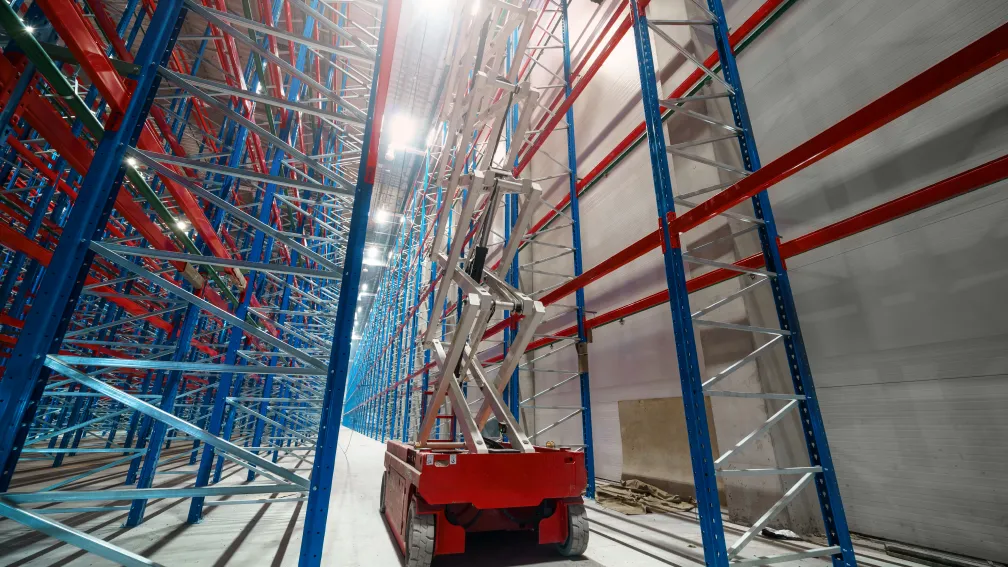
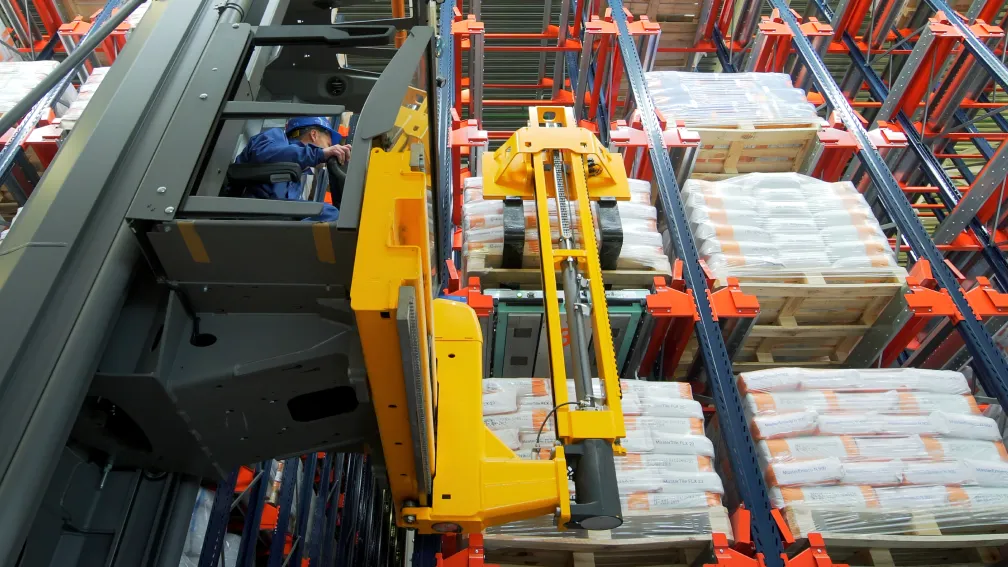
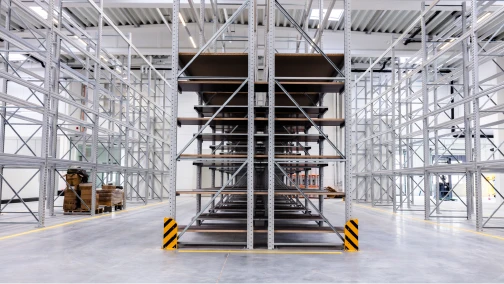
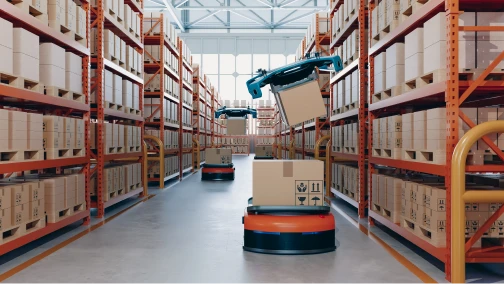
The dominant architecture for module and pack storage is a heavy-duty unit-load AS/RS. Aisle-bound cranes with load handling rated to 1,500 kg or more store pallets single-deep or double-deep, which delivers 100 percent selectivity to every position. Selectivity matters here for two reasons: any pallet may be recalled individually by batch traceability logic, and the emergency extraction function described above requires direct access without digging through other inventory. Double-deep configurations trade a modest retrieval-time penalty for higher density and remain compatible with direct extraction through software-managed lane discipline.
Four-Way Shuttle Buffers in Cell Manufacturing
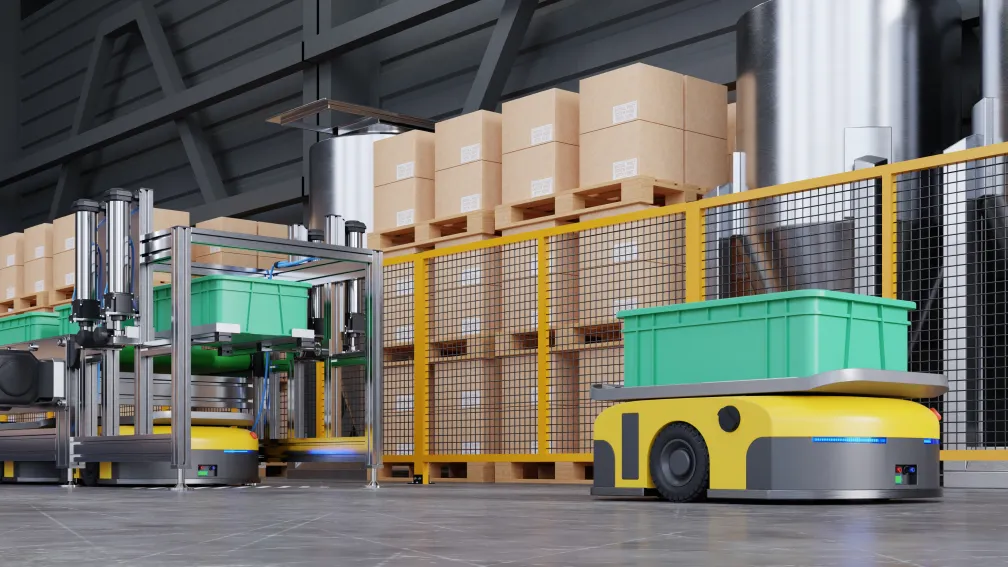
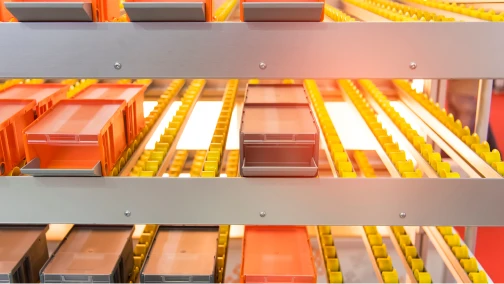
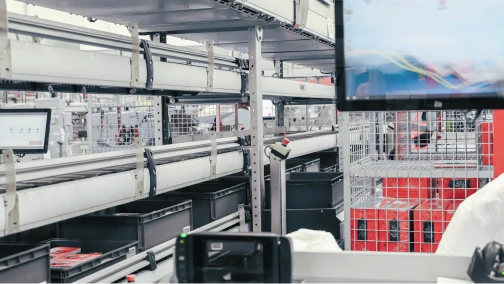
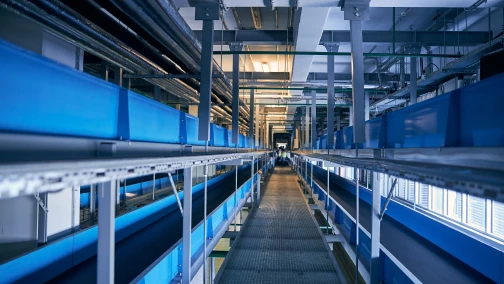
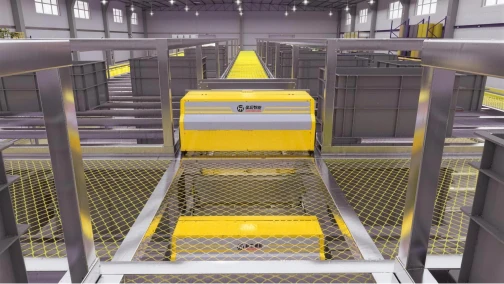
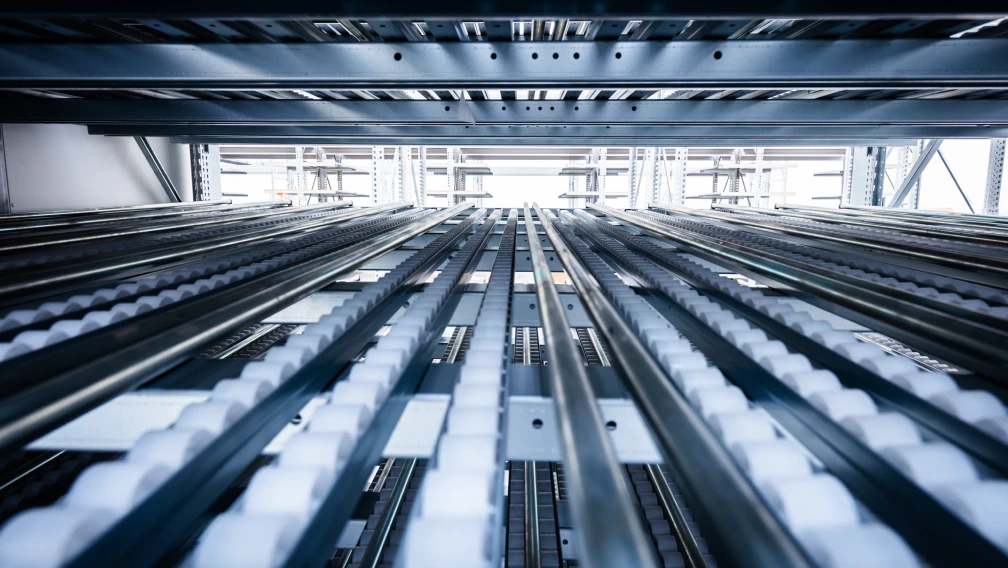
Inside cell plants, the formation and aging process stores thousands of trays of cells for defined dwell periods while the cells are charged, discharged, and rested. A four-way shuttle system suits this buffer because the inventory profile is homogeneous, dwell-driven, and released in process batches rather than individual orders. Shuttles deliver the density that formation halls need, throughput scales by adding vehicles as production lines ramp, and tray-level tracking by the control system maintains the cell genealogy that battery passport compliance requires.
Software: Traceability, Quarantine, and Monitoring Integration
The software stack in a battery warehouse carries obligations that go beyond standard inventory control. The WMS maintains lot and serial genealogy from inbound through every storage move to outbound, producing the traceability record regulators and OEM customers demand. Quality holds and recalls execute at serial-number granularity: flagging a cell batch immediately locks every affected pallet position so no crane or shuttle can present it for outbound, and the lock persists until quality engineering releases it through an authorized workflow.
The warehouse control system integrates the fire detection layer directly into machine behavior. An alarm from the aspirating detection or thermal camera network is not just an alert to operators; it triggers an automatic sequence in which the WCS identifies the suspect pallet's coordinates, clears a retrieval path, executes the extraction to the quarantine station, and re-maps surrounding inventory to maintain access for emergency services. Temperature monitoring data from rack-level sensors feeds the same system, creating a continuous thermal history per storage zone that supports both insurance compliance and incident forensics.
Throughput and Buffer Design for Gigafactory Cadence
Battery production lines run continuously, and the warehouse must absorb line output at line rate. Sizing starts from cell or module output per hour, dwell-time requirements for aging and testing, and the dispatch profile. The storage block acts as an elastic buffer between steady production and batch-wise shipping, and undersized buffers force production slowdowns that cost far more per hour than the incremental rack positions would have. Dual-crane aisles, redundant conveyor loops, and N+1 shuttle counts protect the production interface from single-machine failures, because a stalled warehouse in a gigafactory stops a production line measured in millions of dollars of daily output.
Conclusion
Lithium-ion battery storage concentrates fire risk, mass, value, and regulatory traceability into one inventory profile, and each of these characteristics shapes the automation design. Heavy-duty unit-load cranes provide selective access for module and pack distribution, four-way shuttle blocks absorb formation and aging dwell volumes in cell plants, and the software layer enforces SoC discipline, serial-level traceability, and automated emergency extraction. Facilities that treat fire protection and traceability as core design inputs, rather than compliance afterthoughts, achieve both the safety case and the throughput the battery supply chain demands.
If you are planning automation for a cell plant, pack assembly facility, or battery distribution center, contact our engineering team with your load weights, SKU profile, and throughput targets. We will return a storage architecture and fire-protection concept matched to your regulatory environment.
Frequently Asked Questions
-

HOWEPROFIT Team
Warehouse Automation Specialists, HOWEPROFIT
The HOWEPROFIT Team consists of senior intralogistics engineers and supply chain experts specializing in advanced AS/RS and robotic fulfillment solutions. Backed by years of field experience across e-commerce, 3PL, and manufacturing sectors, we provide data-driven automation strategies, rigorous throughput simulations, and objective ROI modeling. Our mission is to help facilities seamlessly transition to high-efficiency, reliable, and scalable automated operations.