The Engineering Challenge of Overweight Storage
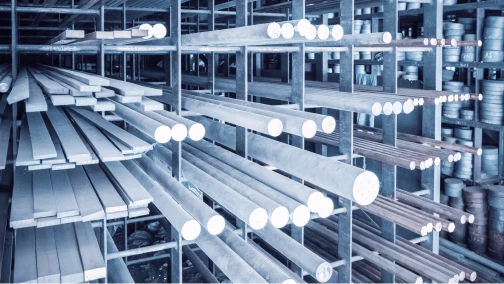
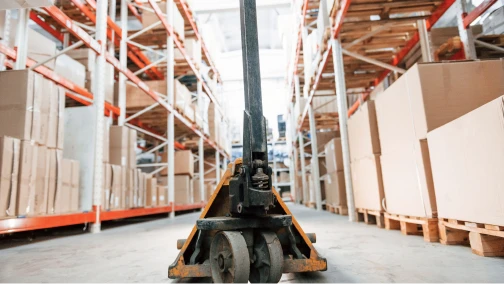
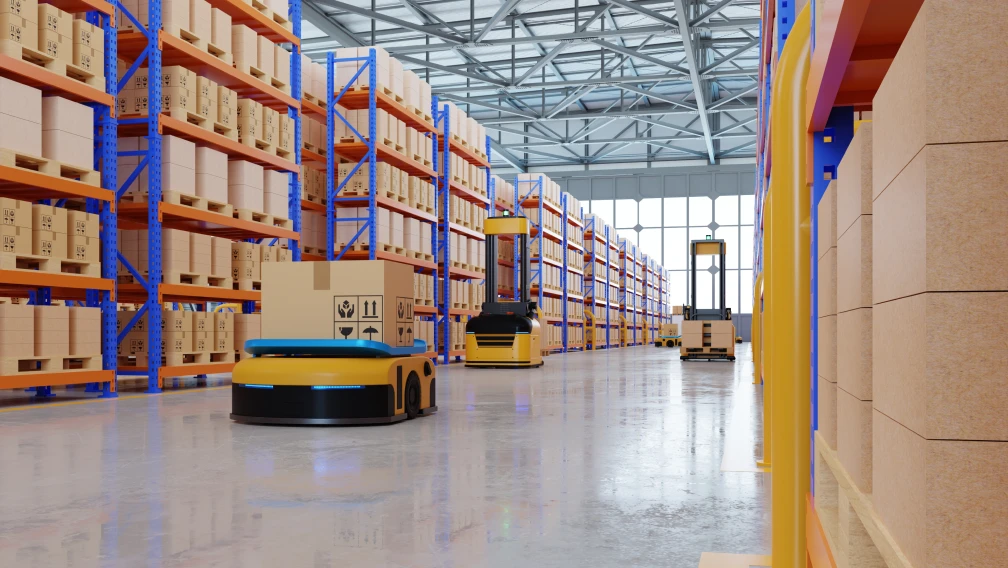
Industrial manufacturing and heavy logistics operate at a scale where standard material handling principles fail. When inventory units exceed 2,000 kilograms—such as steel plates, aluminum extrusions, sheet metal coils, or industrial injection molds—the mechanical and spatial requirements for storage change completely. Floor stacking, the traditional default for heavy goods, consumes massive amounts of footprint, limits vertical space utilization, and creates operational bottlenecks due to poor material accessibility. Manual retrieval using forklifts or manual overhead cranes introduces severe safety risks and operational delays.
Standard automated storage and retrieval systems (AS/RS) are engineered for standard pallets and typical consumer goods weights. They lack the structural integrity, drive power, and kinematic stability required for extreme payloads. Operations handling overweight materials must implement specialized architectures designed specifically for high-load, high-stress environments. The two primary frameworks utilized in modern industrial automation for these applications are Heavy-Duty AS/RS (utilizing specialized stacker cranes) and Gantry Storage Systems.
This analysis details the mechanical architectures, operational parameters, structural constraints, and deployment criteria for both frameworks, providing clear engineering data to support system selection.
Heavy-Duty AS/RS: Stacker Crane Architectures
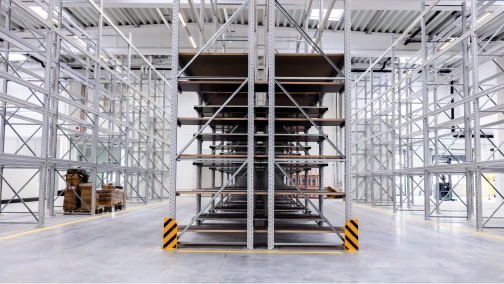
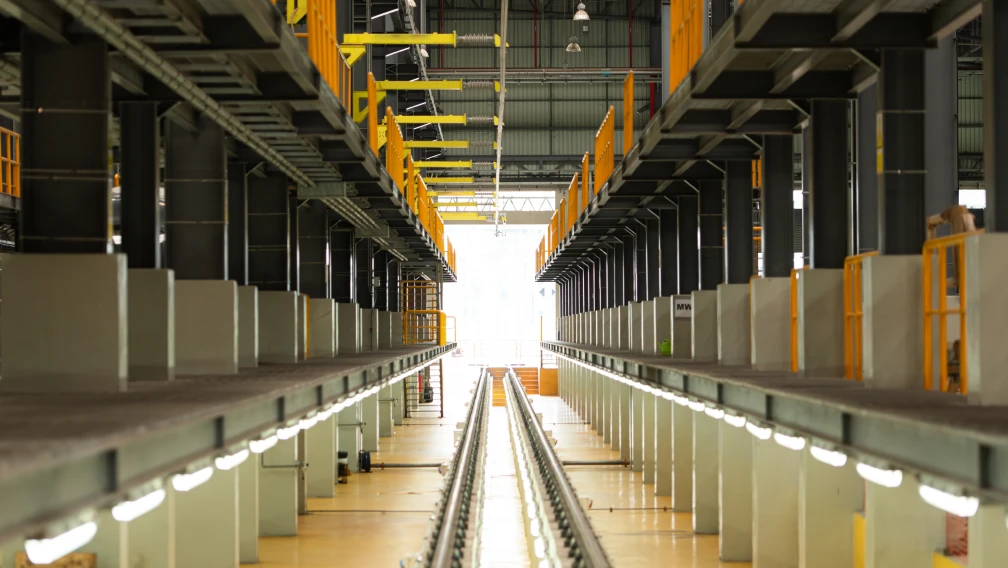
A Heavy-Duty AS/RS relies on the traditional high-bay racking and aisle-captive stacker crane model, heavily reinforced to accommodate extreme unit weights. These systems typically manage unit loads ranging from 2,000 kg to over 5,000 kg per storage location.
Structural and Mechanical Design
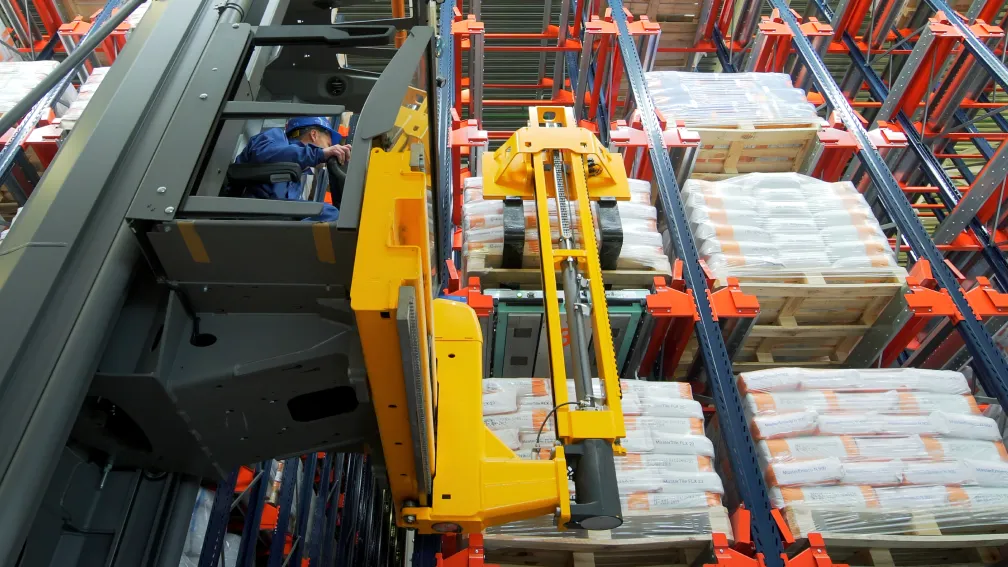
The core of a heavy-duty AS/RS is the reinforced stacker crane. Unlike standard single-mast cranes, heavy-duty variations frequently employ a double-mast configuration. This twin-mast design provides the necessary structural rigidity to prevent dangerous mast sway or torsion when lifting multi-ton loads to heights exceeding 15 meters. The lifting carriage is driven by high-torque gear motors and reinforced hoist ropes or chains, designed with significant safety margins to handle dynamic shock loads during acceleration and deceleration.
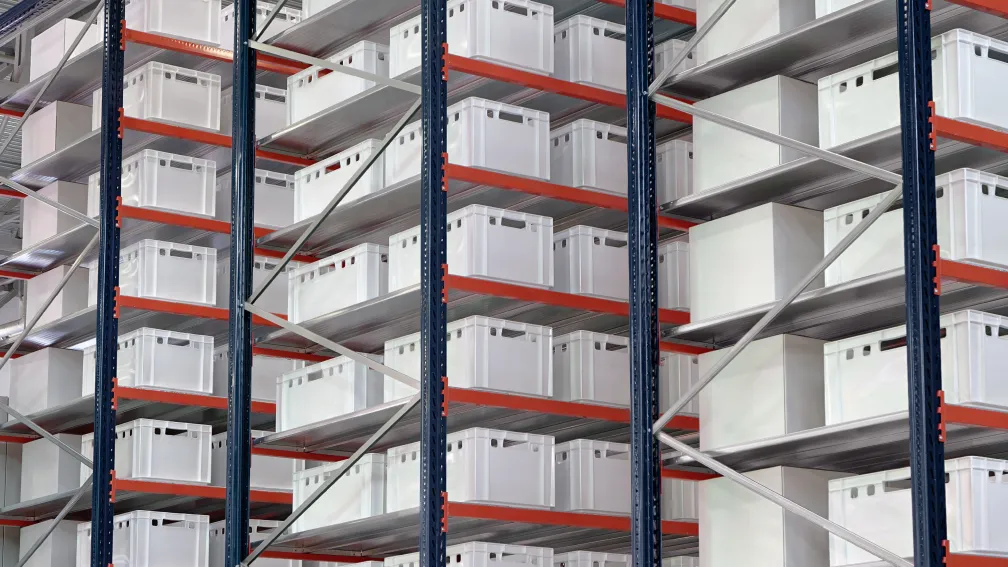
The storage racking is engineered with high-yield structural steel. Deflection limits are strictly controlled. When a 3,000 kg steel mold is placed in a high-bay rack, the horizontal beam must not deflect beyond precise millimeter tolerances; otherwise, the automated extraction mechanism will fail during the next retrieval cycle. Rack structures are often tied directly to the building infrastructure (rack-clad buildings) to distribute extreme loads.
Load Handling Devices (LHD)
Standard telescopic forks are replaced by specialized load handling devices. For heavy industrial molds or engines, systems utilize reinforced planetary gear telescopic forks or specialized push-pull mechanisms. The goods are typically stored in captive steel bins or on engineered steel pallets that interface perfectly with the crane's extraction tooling, ensuring precise load distribution and preventing point-load failures.
Operational Profile
Heavy-Duty AS/RS excels in extreme vertical density. By utilizing the vertical cube up to 30 meters, facilities can consolidate sprawling floor storage into a highly compact footprint. The system delivers high throughput for distinct, heavy units, making it the standard for automotive stamping plants, heavy machinery manufacturing, and dense raw material buffering.
Gantry Storage Systems: Overhead Cartesian Operations
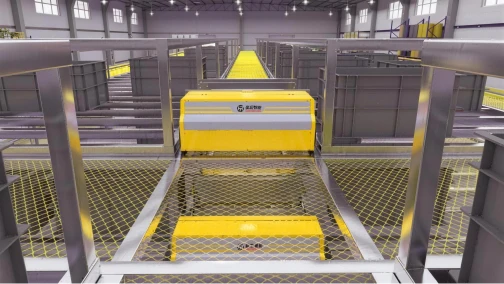
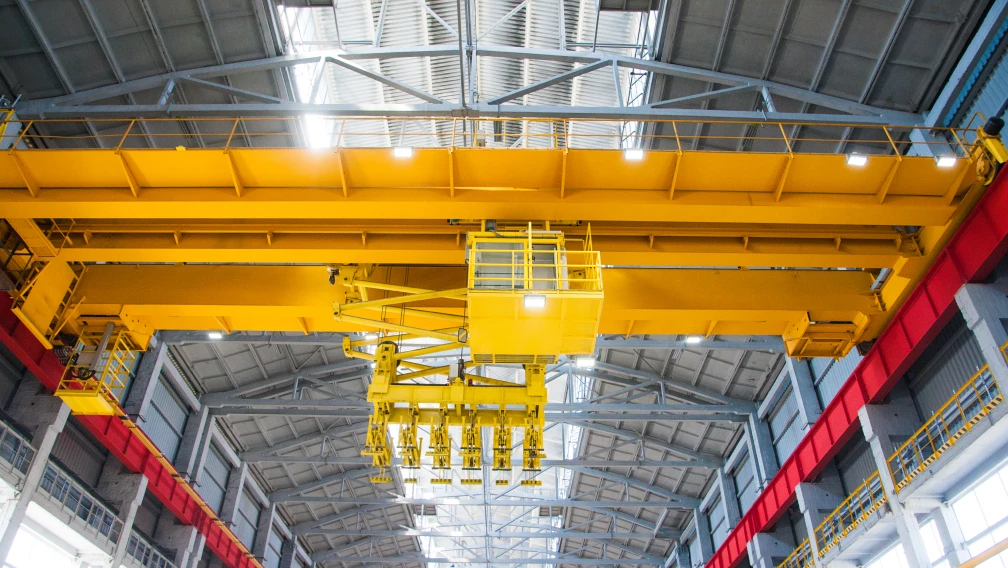
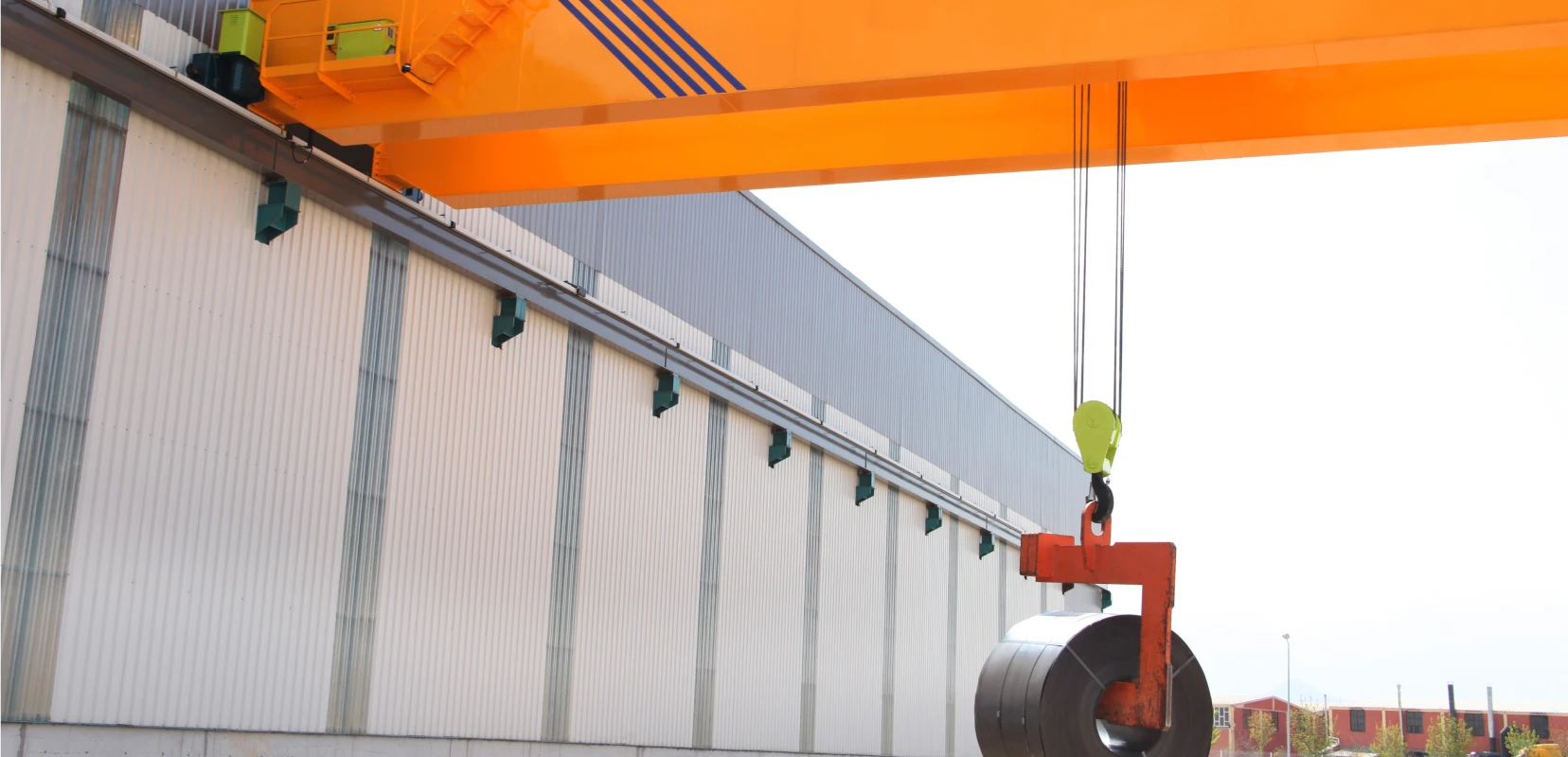
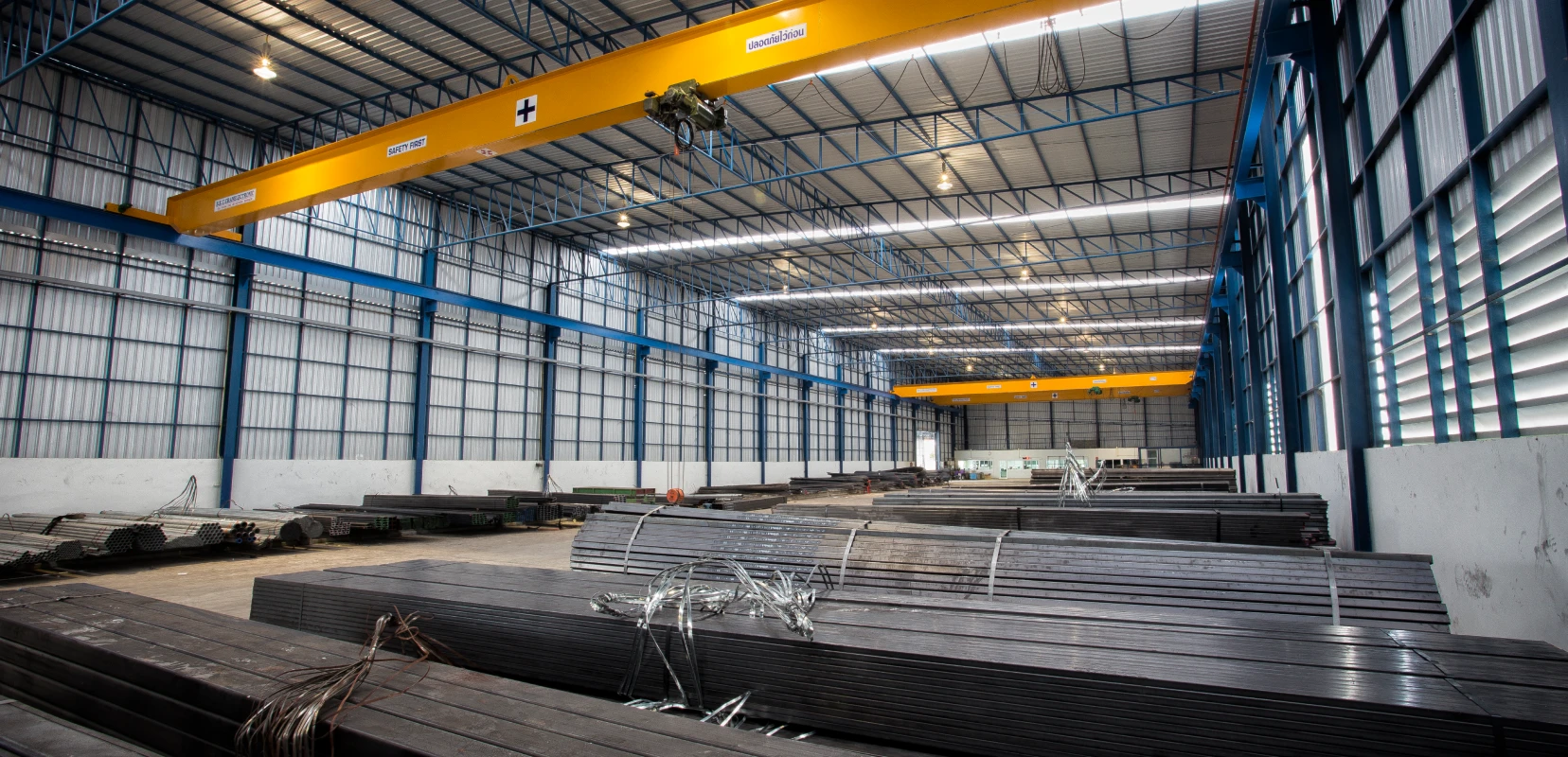
Gantry Storage Systems operate on an entirely different spatial and mechanical paradigm. Instead of navigating narrow aisles between tall racks, a gantry system utilizes an overhead grid. A bridge crane moves along elevated rails (X and Y axes), with a specialized lifting hoist dropping down (Z axis) to interact with the materials below.
Structural and Mechanical Design
The gantry framework eliminates the need for aisles, allowing materials to be stored in dense, floor-level or pit-level grid configurations. The main bridge spans the storage area, supported by structural columns or the building framework. The crane travels across this bridge, positioning itself directly above the required storage cell. Because the lifting force is applied entirely vertically from above, the system avoids the extreme mast-torsion issues associated with stacker cranes handling asymmetric heavy loads.
Specialized Effectors and Direct Machine Feeding
Gantry systems are highly adaptable due to their modular lifting effectors. For sheet metal storage, the gantry hoist utilizes vacuum suction frames. For steel plates or rods, it employs magnetic lifters or motorized grabs. This adaptability allows gantry systems to handle raw materials without requiring them to be placed on captive pallets or in standardized bins.
A critical advantage of the gantry architecture is its ability to integrate directly with processing machinery. In metal fabrication, a gantry storage system can pick a raw sheet of steel directly from the storage stack and place it directly onto the cutting bed of a laser cutter or turret punch. This eliminates intermediate handling steps, effectively turning the Warehouse Storage Systems into an active component of the production line.
Operational Profile
Gantry systems prioritize horizontal density and direct processing integration over extreme vertical height. They are typically lower in overall height (under 10 meters) but offer unmatched accessibility for long, flat, or awkwardly shaped materials. They are the standard for sheet metal processing centers, steel service centers, and long-profile extrusion buffering.
Comparative Engineering Analysis
Selecting between these systems dictates the physical footprint and material flow logic of the facility. The decision relies on load geometry, vertical availability, and downstream processing requirements.
| Specification Parameter | Heavy-Duty AS/RS (Stacker Crane) | Gantry Storage System |
| Optimal Load Geometry | Standardized heavy units (molds, engines, coiled wire in bins). | Long, flat, or variable dimensions (sheet metal, steel plates, long extrusions). |
| Space Utilization | Maximum vertical density. Requires structural height. Utilizes aisles. | Maximum horizontal density. No aisles required. Lower overall height. |
| Material Presentation | Delivers captive pallets/bins to fixed input/output (I/O) conveyor stations. | Picks bare materials directly and places them onto process machinery beds. |
| Throughput Dynamics | High cycle times for discrete unit retrieval. Limited by mast travel speeds. | Slower point-to-point travel, but eliminates secondary handling steps entirely. |
| Foundation Requirements | Requires heavily reinforced concrete slabs to bear immense point loads from high racks. | Requires structural columns to bear bridge weight, but floor load is distributed evenly across stacks. |
System Integration and Software Control
Mechanical hardware forms the physical layer of overweight storage, but system throughput is determined by software execution. Managing heavy loads requires specific algorithms within the Warehouse Control System (WCS) and Warehouse Management System (WMS).
Kinematic Profiling in WCS
Heavy loads possess massive inertia. The WCS controlling these systems cannot utilize standard acceleration curves. Drive controllers must execute precise kinematic profiling—ramp-up and ramp-down acceleration curves calculated specifically for the current payload weight to prevent mechanical shock, load shifting, or crane derailing. The software constantly monitors motor torque feedback and position encoders in real-time, enforcing strict speed limits based on the specific mass of the item being moved.
Dynamic Slotting and Inventory Logic
The WMS manages inventory distribution to maintain structural balance. In a Heavy-Duty AS/RS, the WMS algorithms ensure that the heaviest units are slotted in the lower levels of the racking to maintain a low center of gravity for the entire structure. It also prevents clustering of maximum-weight items in a single bay, which could exceed localized foundation tolerances. For Gantry systems, the WMS tracks sheet metal thickness and dimensions, grouping similar materials to minimize z-axis travel time during continuous production runs.
Safety Protocols and Structural Redundancy
Operating multi-ton automated machinery requires uncompromised safety engineering. Heavy-duty systems integrate multiple layers of hardware and software redundancy.
Hardware safety includes mechanical end-stops, hydraulic buffers, and oversized braking resistors. Stacker cranes are equipped with slack-rope sensors and overload clutches on the hoist motors. If a load binds in the rack during extraction, the system instantly detects the torque spike and halts operation before structural damage occurs. Anti-fall mechanisms (safety gears) are mandatory to arrest the lifting carriage in the event of hoist failure.
On the software side, safety PLCs run isolated logic circuits. Light curtains, laser scanners, and physical perimeter fencing ensure strict segregation between automated heavy-duty zones and human operator areas. Maintenance lock-out/tag-out (LOTO) procedures are physically integrated into the control cabinets, preventing remote system activation when technicians are servicing the aisles or gantry spans.
Determining the Right Architecture for Your Facility
Procuring automated storage for heavy and oversized materials requires defining the exact constraints of your inventory and facility footprint. If the operational goal is to compress the storage of dense, standardized heavy units (like casting molds or industrial components) into the smallest possible footprint, a Heavy-Duty AS/RS using stacker cranes provides the required vertical density and I/O throughput.
Conversely, if the operation centers on processing long or flat raw materials (like sheet metal or structural steel) and the goal is to feed processing machines continuously with zero manual intervention, a Gantry Storage System provides the necessary direct-handling capabilities and horizontal density.
Both architectures eliminate the dangers of manual heavy lifting, protect high-value inventory from handling damage, and provide real-time material tracking. By matching the mechanical constraints of the system to the physical realities of the payload, operations can achieve continuous, safe, and highly predictable material flow.
-

HOWEPROFIT Team
Warehouse Automation Specialists, HOWEPROFIT
The HOWEPROFIT Team consists of senior intralogistics engineers and supply chain experts specializing in advanced AS/RS and robotic fulfillment solutions. Backed by years of field experience across e-commerce, 3PL, and manufacturing sectors, we provide data-driven automation strategies, rigorous throughput simulations, and objective ROI modeling. Our mission is to help facilities seamlessly transition to high-efficiency, reliable, and scalable automated operations.