The Physics of Manufacturing Material Flow
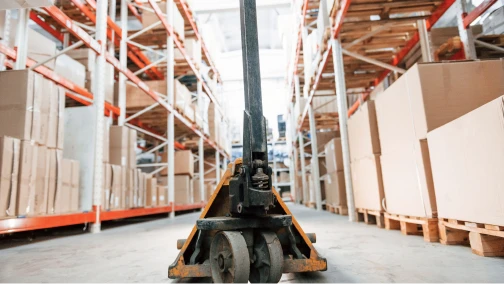
Modern industrial manufacturing operates on strict temporal tolerances. An assembly line is a highly calibrated environment where output depends entirely on the deterministic flow of components to specific workstations. When a manufacturing facility relies on manual forklift routing, floor-stacked Work-In-Progress (WIP) zones, and paper-based picking protocols, that determinism breaks down. Components go missing on the floor, kitting processes consume excessive labor hours, and production lines experience starvation waiting for material replenishment.
HOWEPROFIT engineers warehouse automation systems specifically for the manufacturing sector. We replace static floor storage with high-density automated buffering, transition manual parts gathering to high-speed goods-to-person kitting, and orchestrate line-side feeding so that raw materials and sub-assemblies reach the production line exactly when the Manufacturing Execution System (MES) demands them.
Why Manual Intralogistics Constrains Production
Traditional factory intralogistics suffer from systemic inefficiencies that scale poorly as production volume or component variety increases:
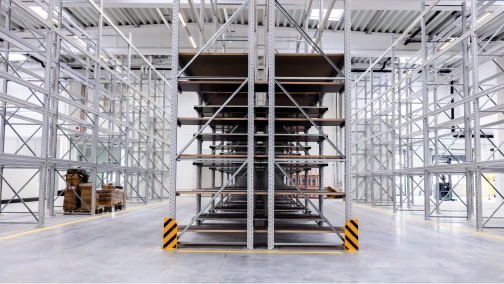
• Spatial consumption. Floor-stacked WIP and raw material buffering consume premium manufacturing square footage. Space that should generate revenue through active production is instead utilized for passive, low-density storage.
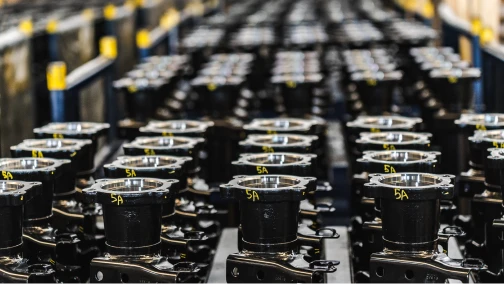
• Component damage and handling scrap. A common failure point occurs in the handling of high-value, machined components. Whether a plant is assembling heavy diesel drivetrains or precision motorcycle accessories and engine cylinder heads, these parts cannot simply be dumped into generic wire baskets. Machined mating surfaces on a cylinder head require exact, separated tray storage to prevent metal-on-metal scoring. Manual forklift handling introduces unacceptable scrap rates before the part even reaches the engine block.
• Line starvation. When manual operators cannot locate a specific batch of parts in the warehouse, the assembly line halts. This downtime is the most expensive operational failure in any plant.
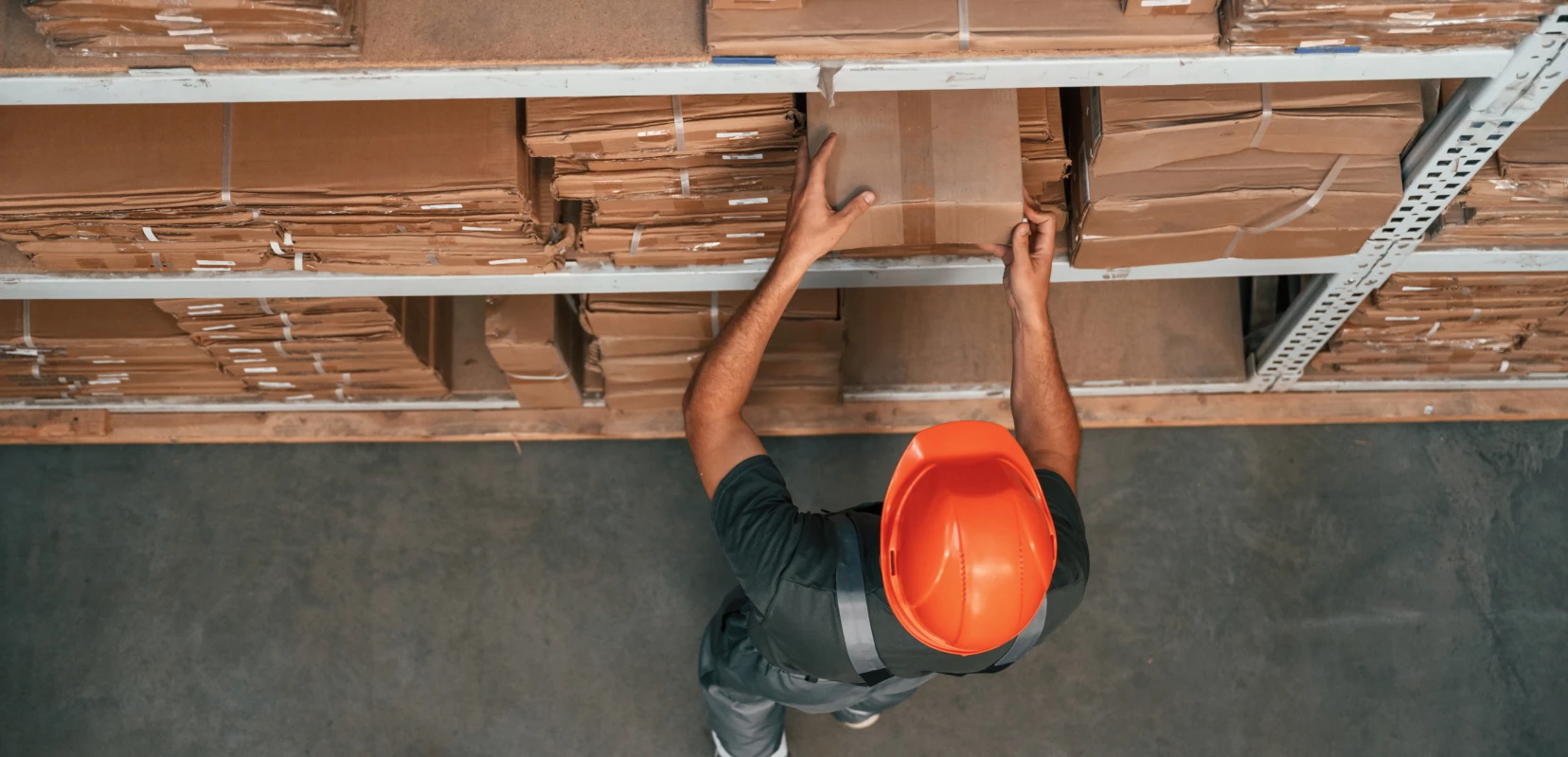
• Kitting labor overhead. Gathering distinct components into a single production kit manually requires operators to walk kilometers per shift, pushing carts through pallet aisles. It is slow, highly prone to human error, and completely non-scalable.
• Loss of lot traceability. Quality control requires absolute traceability. When materials are moved manually between storage and the line, the digital chain of custody often breaks, making recall isolation or defect tracking nearly impossible.
The HOWEPROFIT Manufacturing Automation Architecture
Solving these constraints requires matching the specific material profile—ranging from micro-fasteners to multi-ton castings—with the correct kinematic handling equipment. We deploy a modular automation stack designed for the factory floor:
| Operational Requirement | HOWEPROFIT Hardware & Software Solution |
| High-density buffering for small parts, fasteners, and electronics | High-Speed Bin Robot / Shuttle Systems |
| Storage of standardized sub-assemblies in captive trays | Miniload AS/RS |
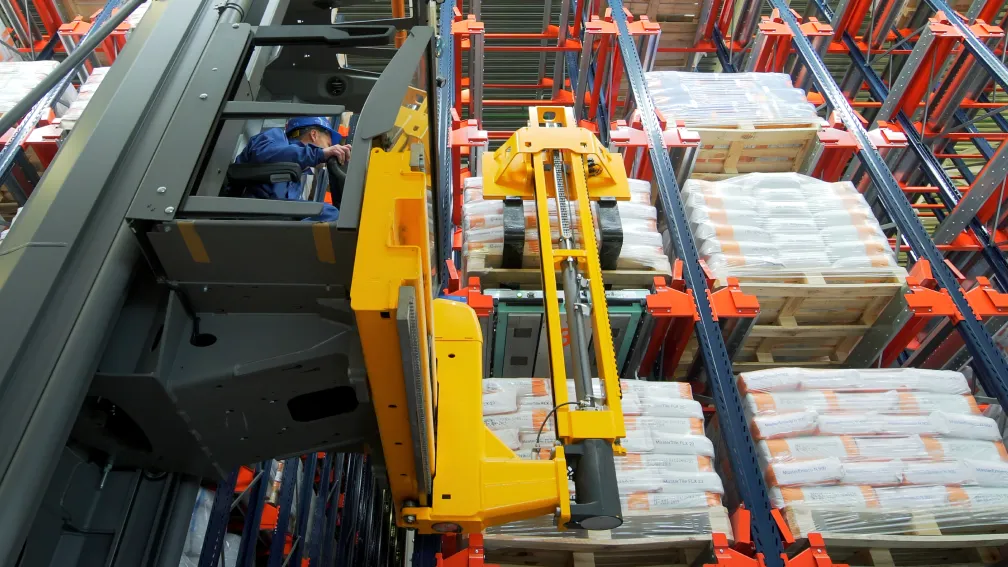
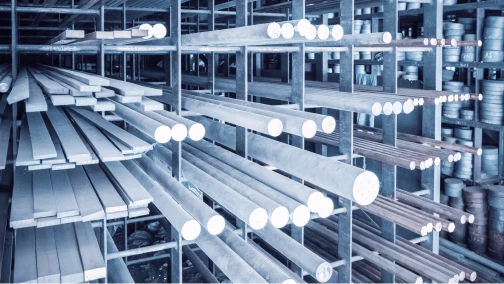
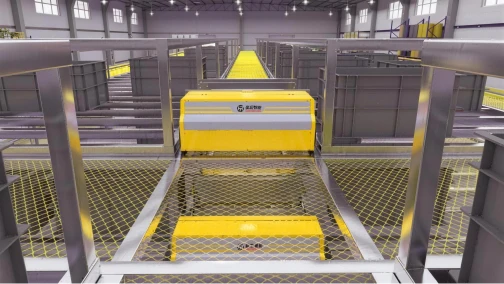
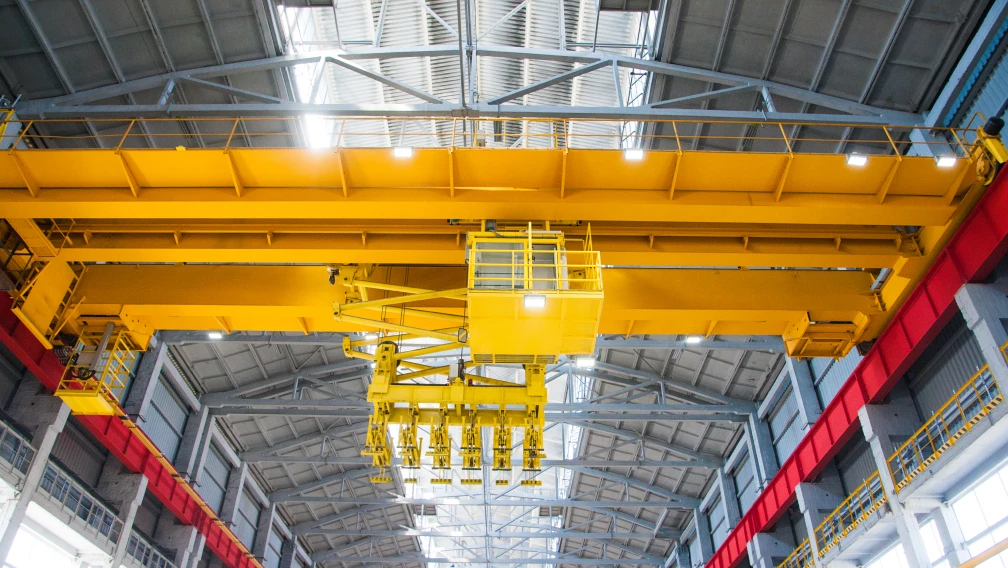
| Raw material handling (steel, large castings, heavy tooling) | Heavy-Duty Unit-Load AS/RS / Gantry Systems |
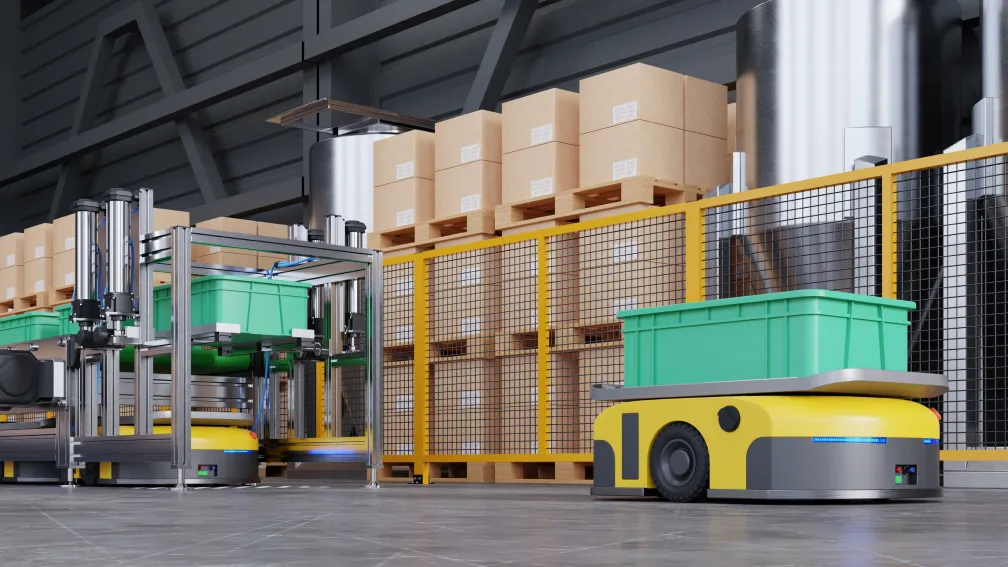
| Automated material transport from buffer to assembly stations | AGV / AMR Integration (Mobile Pallet Racking) |
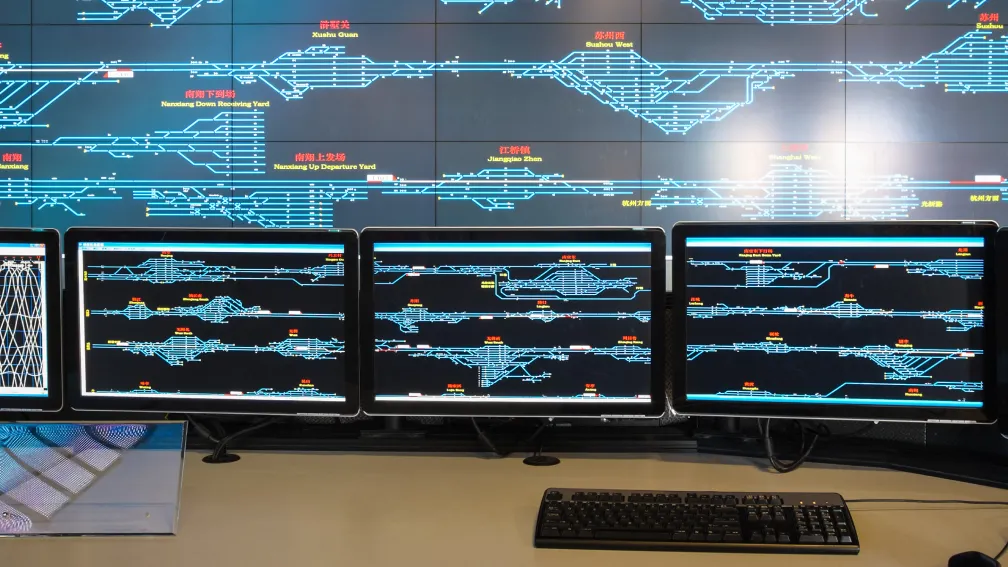
| JIT/JIS logic, ERP sync, and dynamic lot tracking | Warehouse Management System (WMS) + RCS |
WIP Buffering and Raw Material Storage
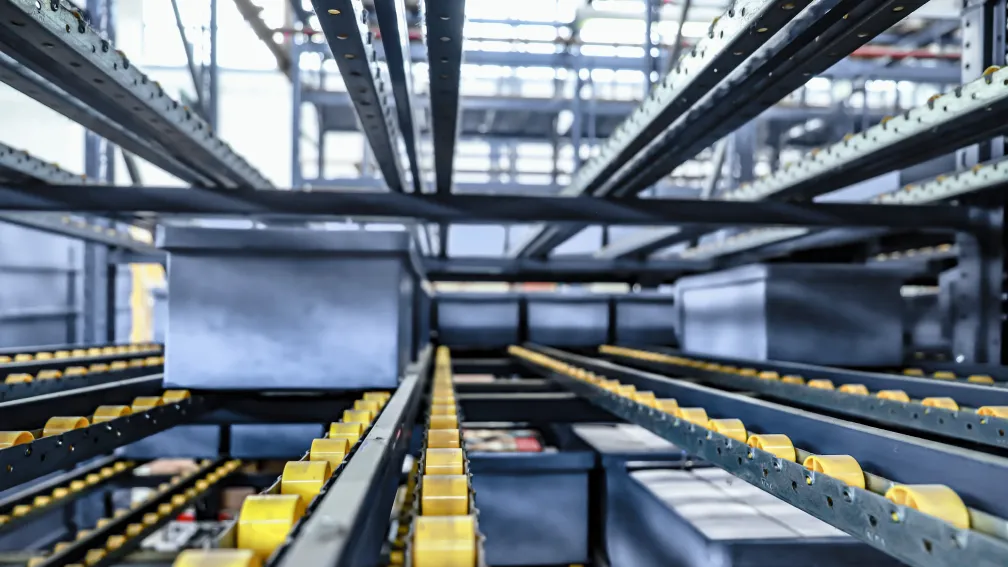
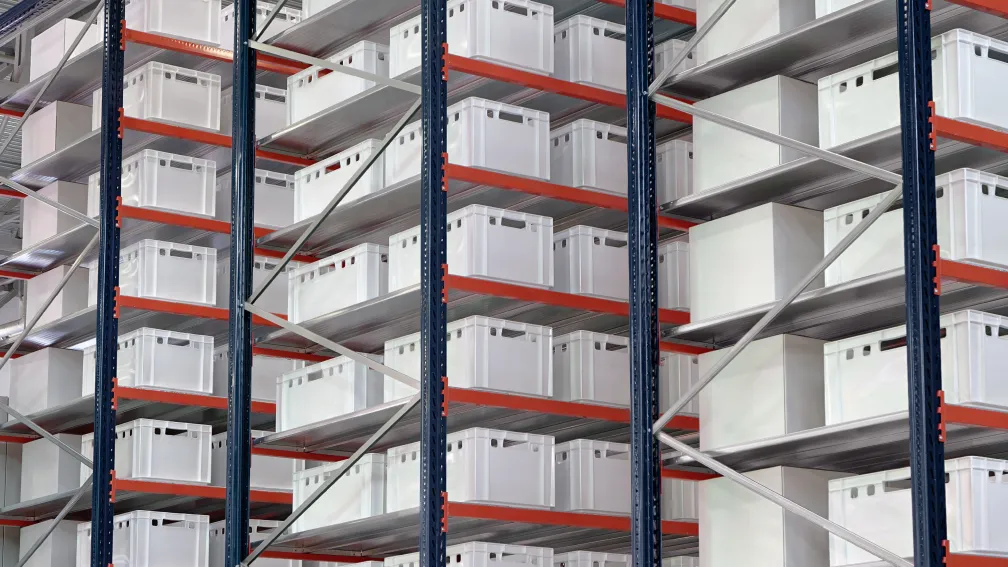
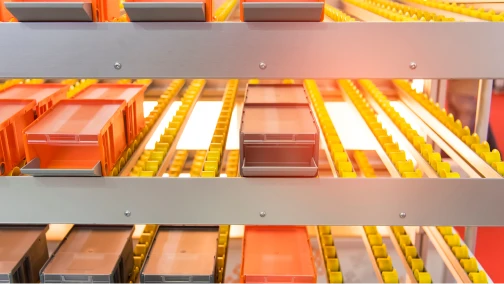
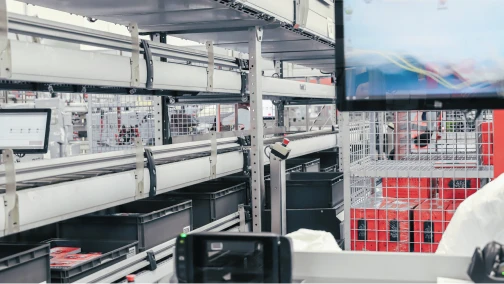
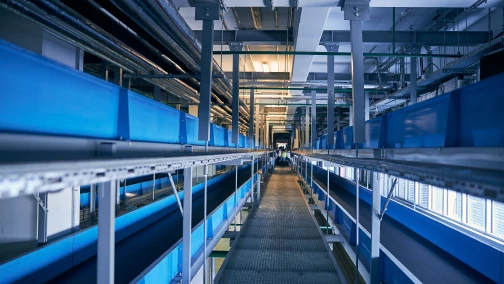
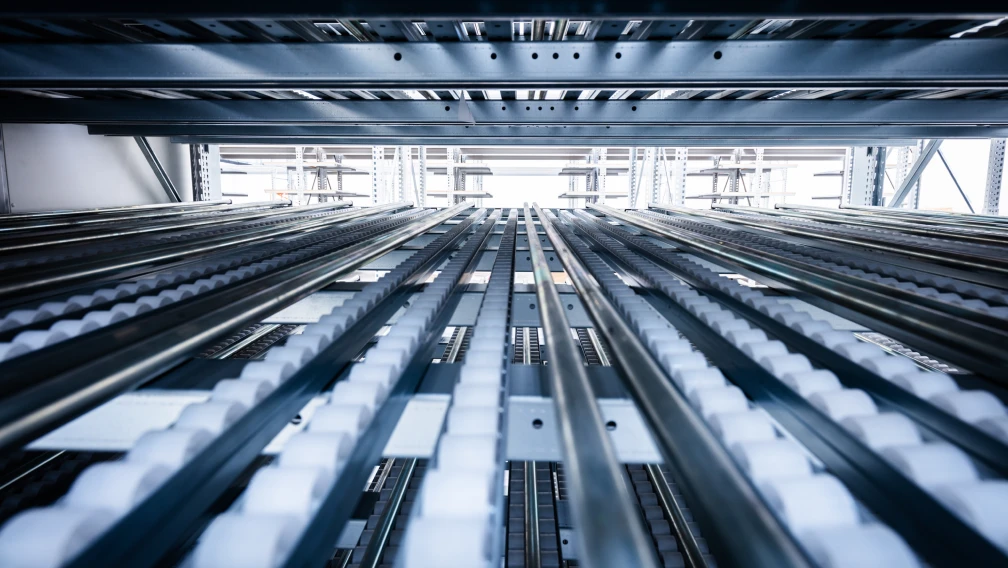
Production rarely operates at a perfectly uniform velocity. Machine A might produce housings faster than Machine B can insert bearings. Automated WIP buffering absorbs these asynchronous production rates. By deploying a Miniload AS/RS or High-Speed Bin System directly adjacent to the production floor, facilities can route semi-finished goods into high-density vertical storage. This reclaims horizontal floor space for revenue-generating machinery. The WMS tracks the exact dwell time of the WIP inventory, releasing it back to the line only when the downstream workstation signals readiness.
Goods-to-Person Kitting Stations
Assembly sequences require specific sets of parts presented simultaneously. Instead of dispatching operators to hunt for inventory, HOWEPROFIT implements Goods-to-Person (G2P) kitting. The WMS groups production orders and commands the automated storage system to deliver the exact bins containing required components to an ergonomic workstation. The operator follows light-directed picking (pick-to-light) or screen instructions to consolidate the parts into a production kit. This eliminates travel time, reduces kitting errors to near zero, and ensures that precision parts are handled in a controlled environment.
Just-in-Time (JIT) Line-Side Feeding
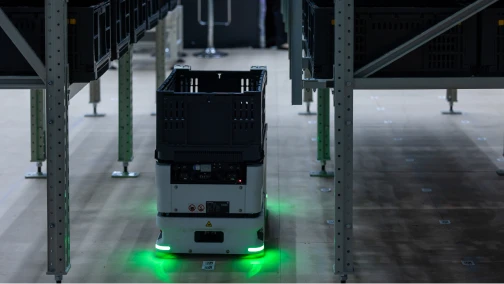
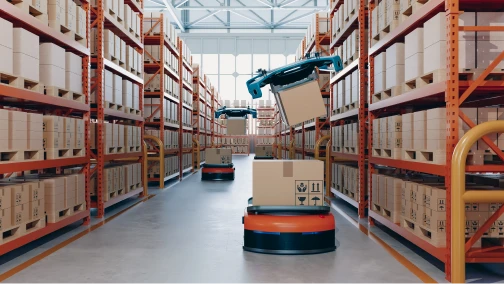
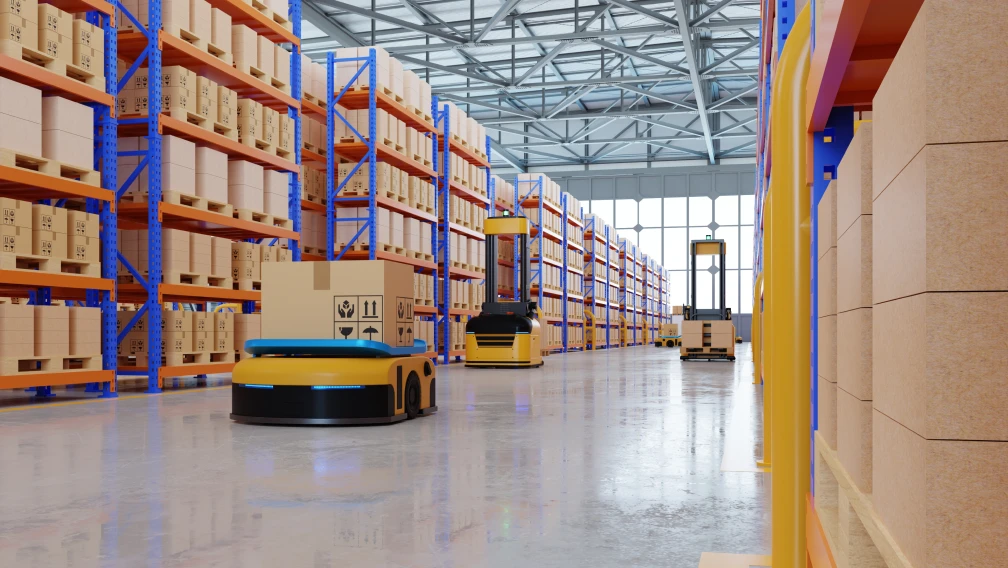
Once a kit is prepared, or when a bulk material call is issued, the system must execute delivery without human intervention. The software integrates directly with the plant's MES or line-control PLCs. When an assembly station registers a low inventory threshold, the WMS automatically triggers a retrieval order. For small parts, conveyor networks route the tote directly to the technician. For larger payloads, the Robot Control System (RCS) dispatches an Autonomous Mobile Robot (AMR) to pick up the pallet or rack and deliver it to the precise coordinates of the line-side buffer. This creates a continuous, deterministic flow of materials, entirely removing forklift traffic from pedestrian-heavy assembly zones.
The Software Control Layer: WMS and MES Integration
Hardware provides the mechanical capability, but system intelligence resides in the software integration. A manufacturing WMS functions differently than a retail distribution WMS; it must understand bills of materials (BOM), production orders, and machine states.
Our Software System architecture connects via standard APIs to mainstream ERP systems (like SAP or Oracle) and plant-floor MES platforms. This bidirectional handshake ensures that when a production order is scheduled in the ERP, the WMS instantly allocates the required raw materials. It manages complex rulesets such as First-In-First-Out (FIFO) for perishable chemicals or strict lot-sequencing for automotive recalls. If a specific batch of castings fails a mid-line quality check, the WMS instantly locks the remaining inventory of that lot in the AS/RS, preventing defective materials from advancing further down the assembly line.
Engineering System Resilience and Redundancy
In a manufacturing environment, a storage system failure means a factory shutdown. Therefore, structural and computational redundancy is non-negotiable.
HOWEPROFIT systems utilize distributed control architectures. If a single stacker crane requires maintenance, the WMS dynamically reroutes inventory storage to active aisles, ensuring continuous material availability. Mobile robot fleets operating under our RCS utilize dynamic path planning; if an aisle is blocked by a temporary obstruction, the robots calculate an alternate vector in milliseconds, preventing material bottlenecks. Furthermore, critical system data is mirrored locally and backed up to designated secure servers, ensuring immediate recovery in the event of an IT infrastructure disruption.
Measurable Impact on Manufacturing Operations
Deploying automated buffering and line-side feeding fundamentally alters the economics of the factory floor. Facilities typically observe:
• Volumetric Optimization: Consolidating spread-out WIP into vertical high-bay storage routinely frees up 40% to 60% of the active floor plan.
• Labor Reallocation: Eliminating manual material search and transport allows plant managers to shift personnel from non-value-added logistics to direct production roles.
• Inventory Reduction: When material flow becomes highly predictable, facilities no longer need to stockpile excess buffer inventory at the line side to protect against delivery delays. This directly reduces tied-up working capital.
• Quality Assurance: Machine-controlled handling drastically reduces impact damage on sensitive components, while strict software-enforced lot tracking guarantees compliance with ISO and automotive industry standards.
System Design and Data Profiling
Transitioning to automated line feeding is an engineering exercise rooted in data. We do not sell catalog equipment; we engineer solutions based on a facility's distinct operational physics.
The design phase requires rigorous profiling. We analyze the BOM structures, the physical dimensions and weight of the heaviest and most delicate components, the consumption rate of the assembly lines, and the geometric constraints of the building. We map the data flow from the ERP down to the PLC level. Based on this profiling, we construct a digital twin simulation to validate throughput under peak production loads before any steel is cut.
Whether upgrading a tier-one automotive supplier plant, a heavy machinery assembly hall, or a high-tech electronics cleanroom, automation must be treated as an integral component of the manufacturing machine itself.
→ Contact the HOWEPROFIT engineering team to schedule a material flow analysis for your facility.
-

HOWEPROFIT Team
Warehouse Automation Specialists, HOWEPROFIT
The HOWEPROFIT Team consists of senior intralogistics engineers and supply chain experts specializing in advanced AS/RS and robotic fulfillment solutions. Backed by years of field experience across e-commerce, 3PL, and manufacturing sectors, we provide data-driven automation strategies, rigorous throughput simulations, and objective ROI modeling. Our mission is to help facilities seamlessly transition to high-efficiency, reliable, and scalable automated operations.