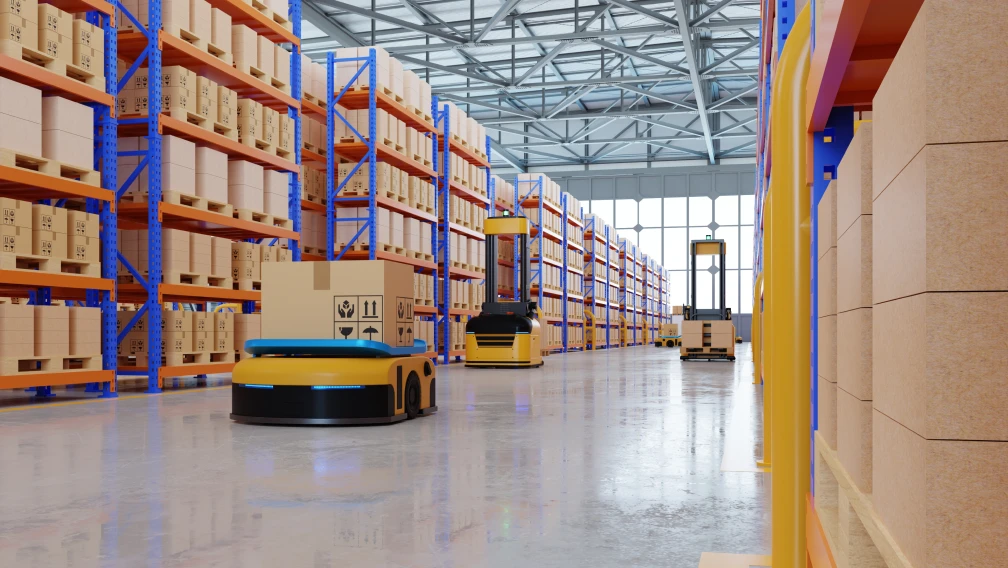
Automation Built for Omnichannel Fashion Operations
Fashion warehousing has gotten harder, not easier, in the last decade. Direct-to-consumer pulled volume out of store replenishment and pushed it into single-unit ecommerce orders. SKUs multiplied because every style now ships in multiple colors and sizes. Returns rates hit 30–40% in online channels. And season cycles compress — what used to be four collections a year is now twelve drops with constant replenishment cycles in between.
Manual apparel warehouses weren't designed for this. HOWEPROFIT builds automation for omnichannel apparel operations — handling DTC ecommerce, wholesale replenishment, store distribution, and reverse logistics in a single integrated system.
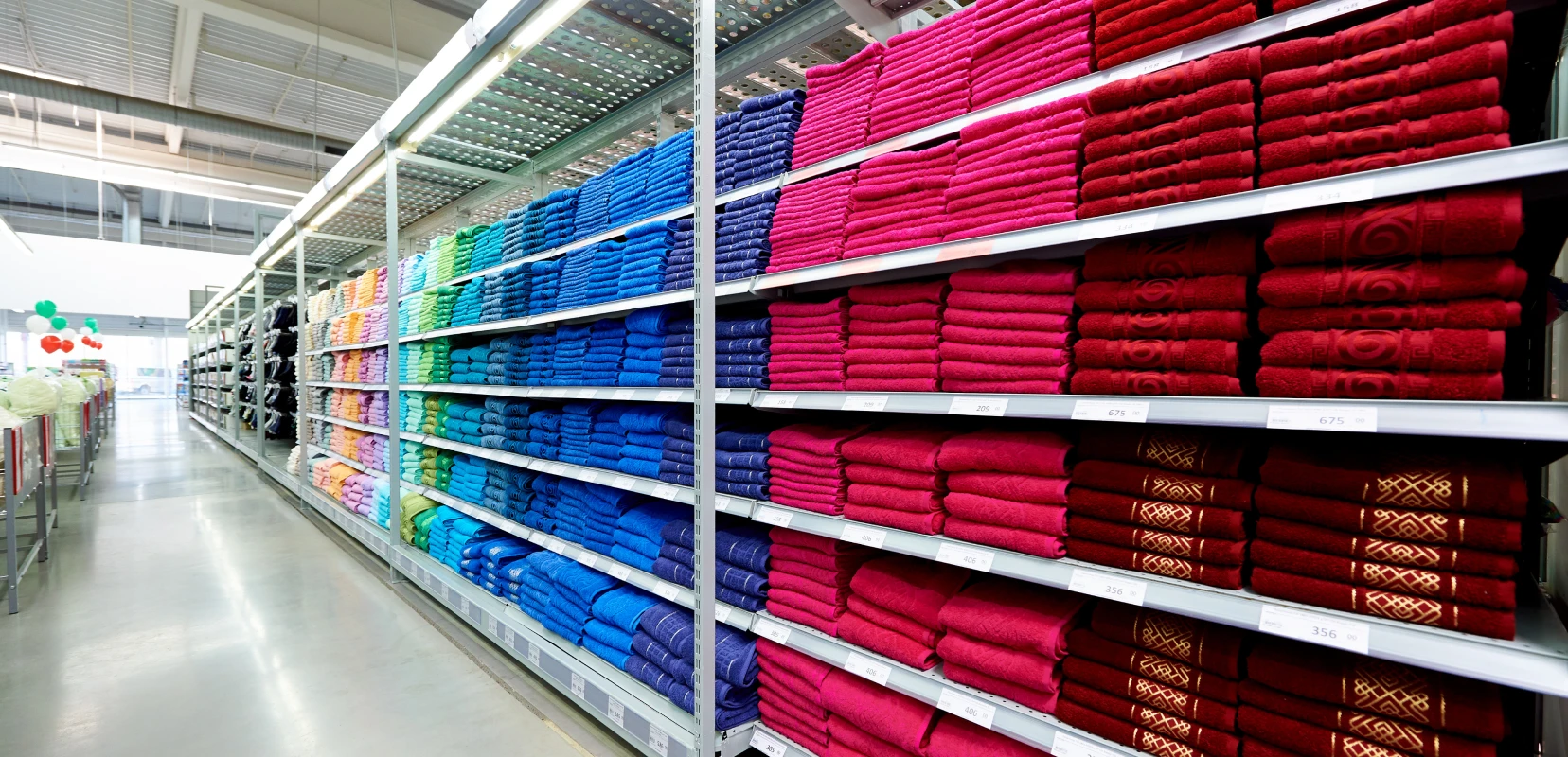
What's Changed in Apparel Fulfillment
Five structural shifts are squeezing fashion supply chains:
• SKU sprawl. A single garment style can become 40–80 SKUs once you cube it out by size and color. Catalogs that were 5,000 SKUs ten years ago are now 30,000+.
• Order profile fragmentation. The same DC now ships single-unit DTC orders alongside multi-carton store replenishments. The same SKU might move through three different order types in a single shift.
• Returns at scale. 30–40% return rates in DTC mean a third of inbound volume is reverse logistics. Returned items need inspection, regrading, and re-slotting.
• Peak compression. Black Friday, Cyber Monday, Boxing Day, and seasonal sales create 5–8x volume spikes within narrow windows.
• Speed expectations. Free 2-day or next-day delivery is now table stakes from most major fashion retailers.
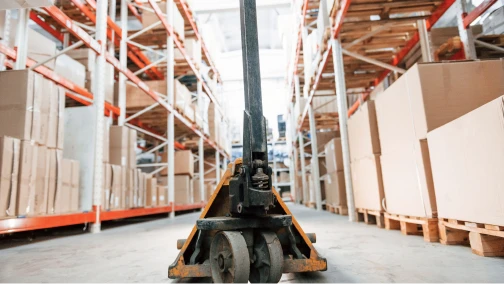
The traditional apparel layout — long aisles of shelving, batch-pick carts, manual packing benches — doesn't scale through any of these shifts.
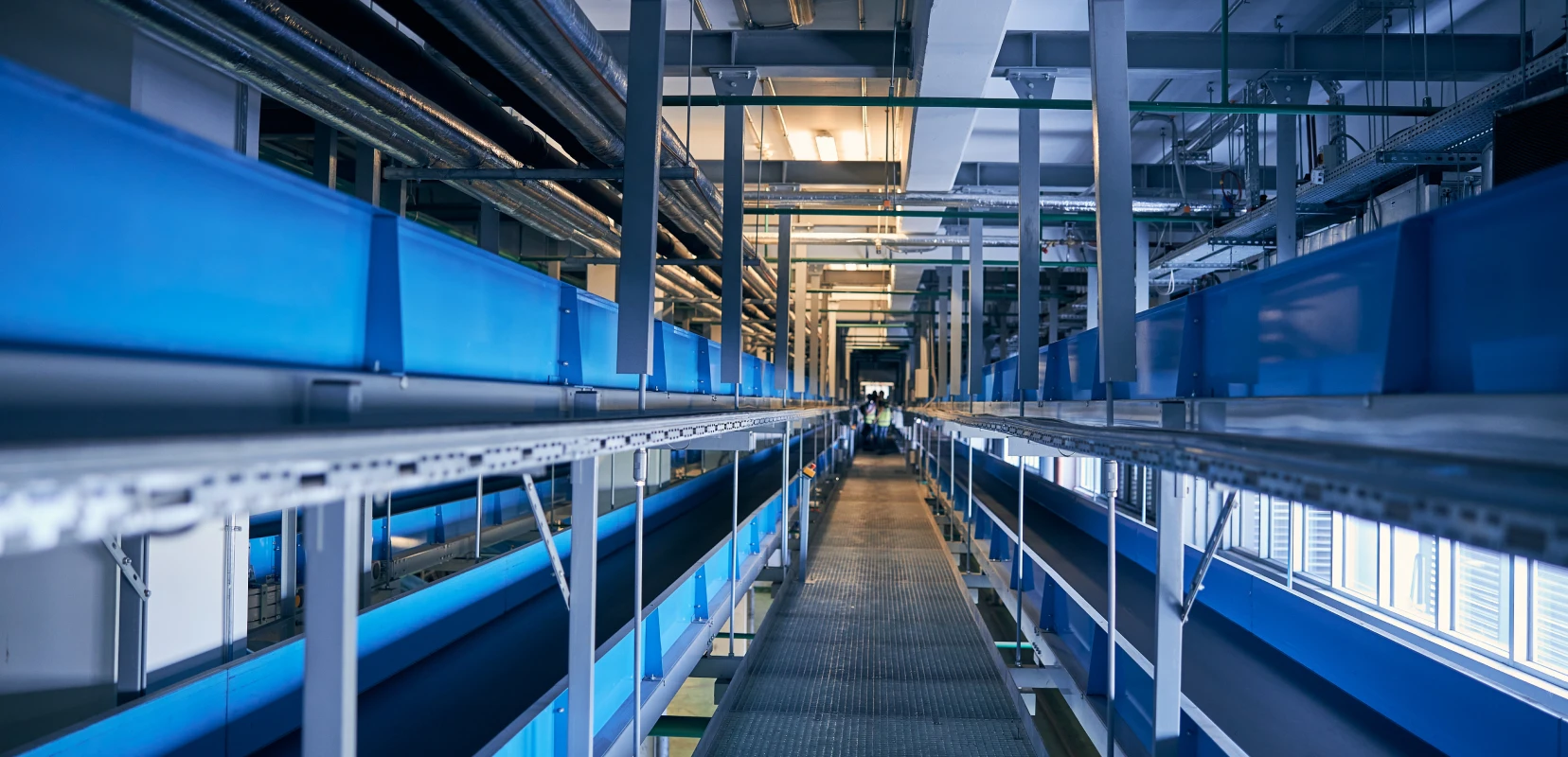
Apparel-Specific Automation Stack
| Need | HOWEPROFIT Product |
| High-SKU folded or boxed item storage | One-Bin-Per-Slot Robot, Miniload |
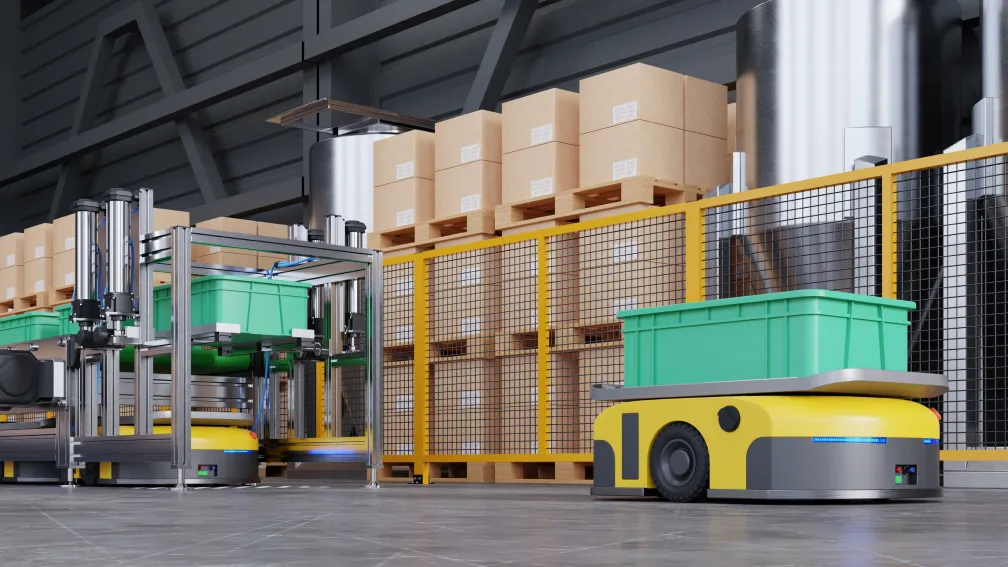
| Goods-to-person picking | High-Speed Bin Robot, Light Shuttle Vehicle |
| Wholesale carton and replenishment buffer | Miniload, Heavy-Duty Container Warehouse |
| Returns processing | Bin Robot with dedicated VAS stations under WMS control |
| Omnichannel orchestration | Intelligent WMS + RCS |
High-Speed Bin Robot for DTC Picking
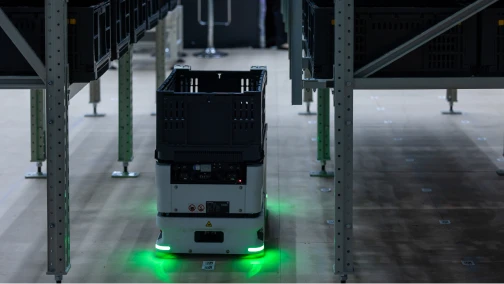
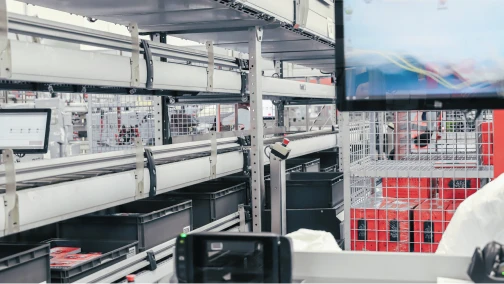
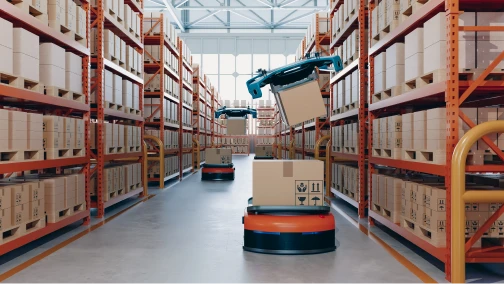
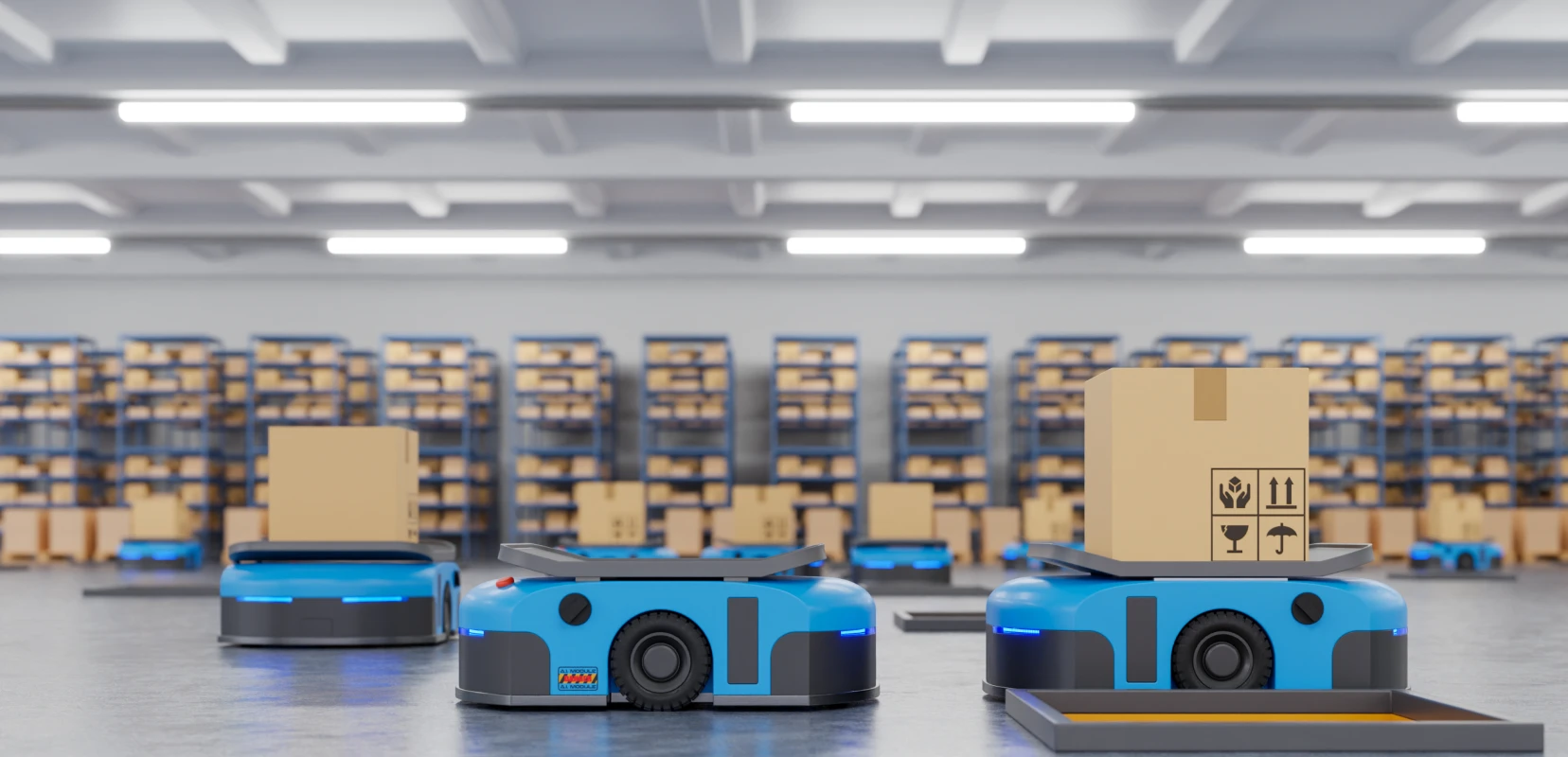
DTC apparel orders are typically 1–3 lines, single units, ship in poly mailers or small cartons. The bin robot delivers exactly the right tote to the picker, who pulls one or two units and routes them to pack. Throughput per station hits 500+ lines per hour with apparel — faster than most industries because pick units are small and light.
One-Bin-Per-Slot Robot for SKU Sprawl
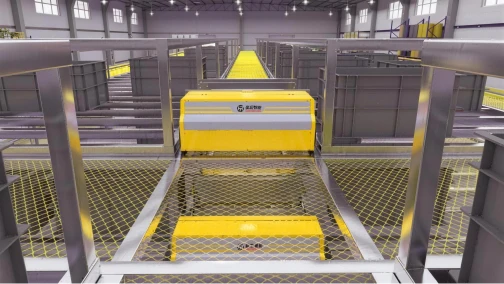
When you have 35,000 SKUs across sizes and colors, density matters. Each SKU gets its own bin slot, indexed in the WMS. This keeps inventory accurate even on rarely-touched sizes (XS, XXXL) that manual cycle counts miss.
Miniload System for Wholesale and Replenishment
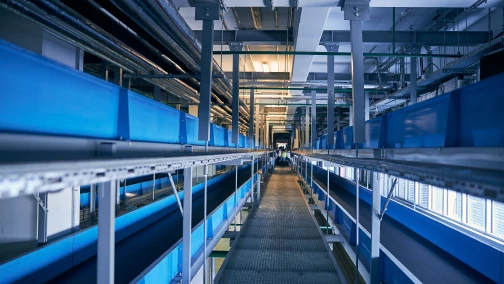
Store replenishment doesn't pick single units. It picks cartons. Miniload handles the carton-level storage and feeds picking lanes where store-bound orders are built. Wholesale order assembly works the same way — full cases pulled to consolidation, palletized, shipped.
Returns Processing Workflow
Returns are usually the messiest part of apparel operations. Our workflow puts returns through dedicated stations where operators inspect, regrade, and dispose: A-grade items go straight back to bin storage, B-grade ships to outlet channels, C-grade goes to liquidation. The WMS tracks disposition by SKU and channel.
Intelligent WMS for Omnichannel
Omnichannel apparel WMS has to handle four different fulfillment models from one inventory pool: DTC ecommerce, store replenishment, wholesale shipment, and marketplace fulfillment. Our WMS manages allocation rules so a strategic wholesale order doesn't get blocked by a DTC promotional surge. Inventory pooling across channels gives operators 15–25% reduction in safety stock at equivalent service levels.
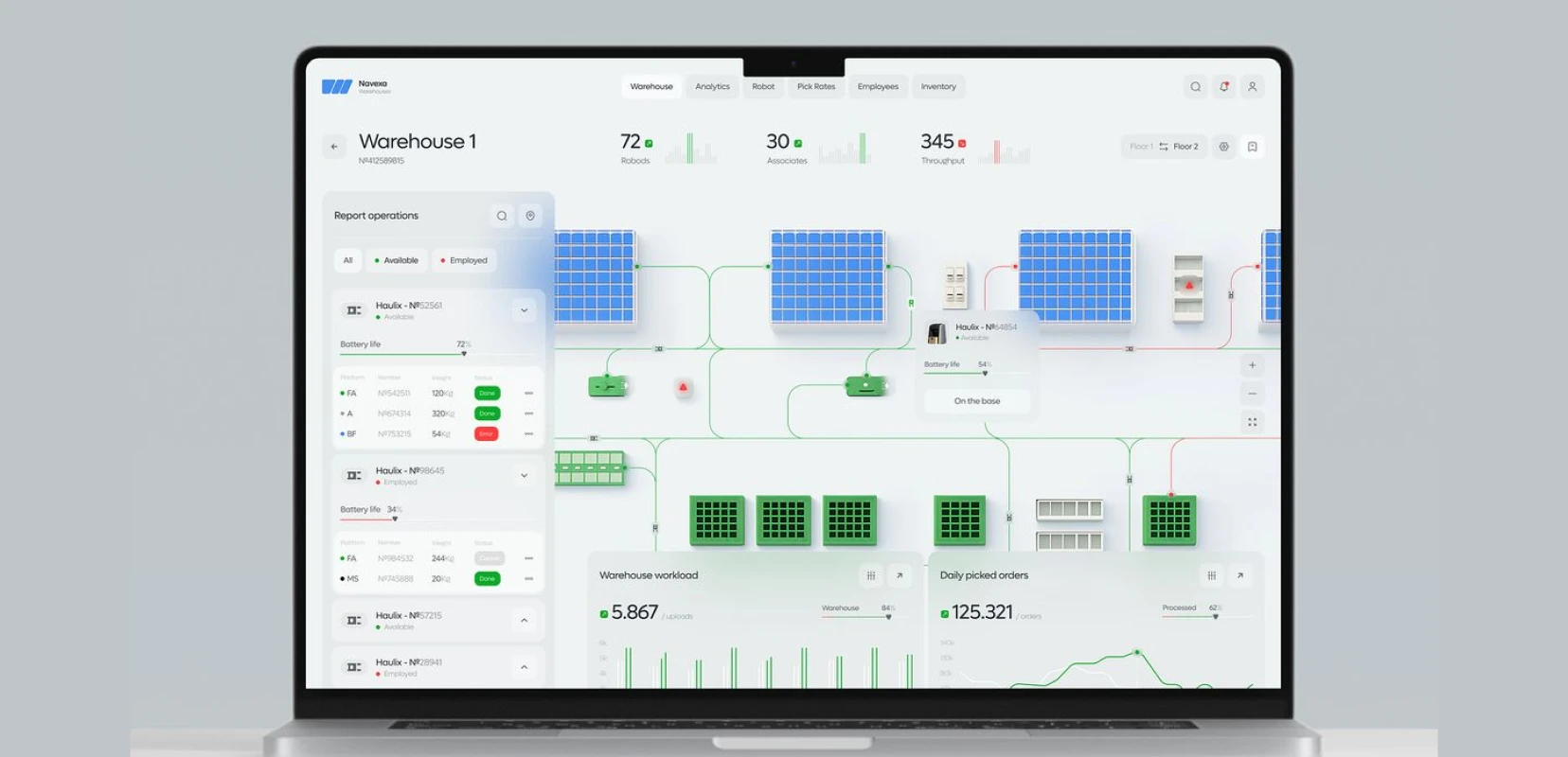
What Apparel Operators Get Out of Automation
Across deployments we benchmark these gains:
• Picking productivity: 400% improvement at goods-to-person stations versus walking pick
• Storage density: 4x SKU count per m² versus open shelving
• Pick accuracy: 99.9%+, important because a wrong size triggers a return and a re-ship
• Returns processing time: from 24–48 hours down to 2–6 hours per item
• Peak season capacity: same labor force handling 2–3x volume during promo windows
• Inventory accuracy: 99.9%+ cycle count, essential for omnichannel allocation
For a mid-size DTC apparel operator processing 10,000–30,000 orders per day, this typically translates to 50–65% reduction in fulfillment labor cost and 30–40% reduction in DC footprint per order.
Designing an Apparel Automation System
Four key decisions drive ROI:
1. Channel mix. What percentage is DTC versus wholesale versus store replenishment? Each needs different topology weights.
2. Returns volume. A brand running 35% returns needs more processing capacity than one running 12%.
3. Peak ratio. A fashion brand with 6x peak volume needs different capacity buffer than one running 2x.
4. SKU velocity distribution. The 80/20 curve in fashion is usually steep — the top 1,000 SKUs do 70% of volume — and slotting strategy reflects this.
We run all four through a simulation model before equipment recommendations are finalized. Most clients see 3–5 topology options with side-by-side payback comparisons.
Talk to Us About Your Fashion DC
If you're planning a new DC, consolidating sites, or hitting capacity limits on your current operation, our team will run a sizing study against your order data. Studies typically run 2–4 weeks and come back with topology options, capex estimates, and a financial model.
→ Request a fashion DC consultation from HOWEPROFIT.
Frequently Asked Questions
How does automation handle hanging garments versus folded items?
Most modern fashion operations have shifted heavily toward folded or boxed items even for apparel that historically hung — easier to automate, denser to store, faster to pick. For brands still handling significant hanging inventory (formalwear, high-end fashion), we integrate overhead conveyor or hanging garment AS/RS into the layout alongside bin storage.
Can the same system handle DTC, wholesale, and store replenishment?
Yes. Omnichannel is the standard design intent. The WMS allocates inventory across channels and routes orders to the right picking workflow (single-unit DTC versus case-pick wholesale). One physical inventory pool serves all channels.
What about returns? Apparel returns are 30%+.
Returns are a core workflow in our WMS. Dedicated returns stations handle inspection and disposition. Items going back to stock are re-slotted automatically. Returns processing throughput typically runs 80–120 units per hour per station.
How quickly can the system handle seasonal SKU turnover?
Fashion brands add and retire SKUs constantly. Our WMS handles SKU master changes in real time — new SKUs get slotted on inbound receiving, retired SKUs get flagged for liquidation channels. No system reconfiguration is required for SKU master changes.
What's the payback period for an apparel DC automation project?
Typical payback runs 24–36 months. DTC-heavy brands with high labor cost and high peak ratio tend to land in the 18–30 month range. Wholesale-heavy operations with steady volume run 30–48 months. We model both scenarios in the sizing study.
Do you support fashion-specific software like Centric or NGC?
Yes. Most fashion brands run a PLM and ERP combination — Centric, NGC, SAP Fashion, Microsoft Dynamics. Our WMS integrates with these via standard connectors or REST APIs. Order flow, inventory positions, and shipment confirmations sync bidirectionally.
-

HOWEPROFIT Team
Warehouse Automation Specialists, HOWEPROFIT
The HOWEPROFIT Team consists of senior intralogistics engineers and supply chain experts specializing in advanced AS/RS and robotic fulfillment solutions. Backed by years of field experience across e-commerce, 3PL, and manufacturing sectors, we provide data-driven automation strategies, rigorous throughput simulations, and objective ROI modeling. Our mission is to help facilities seamlessly transition to high-efficiency, reliable, and scalable automated operations.