Multi-Client Warehouse Automation Built for the Contract Logistics Model
A 3PL doesn't get to standardize the way a single-brand fulfillment center does. You run multiple clients in one building, each with their own SKU mix, packaging spec, SLA, and contract terms. The labor model that worked five years ago is now squeezed by tighter margins, harder hiring, and customer expectations imported from Amazon. Automation is how 3PLs get out of the trap — but only if the system is built for multi-tenancy from day one.
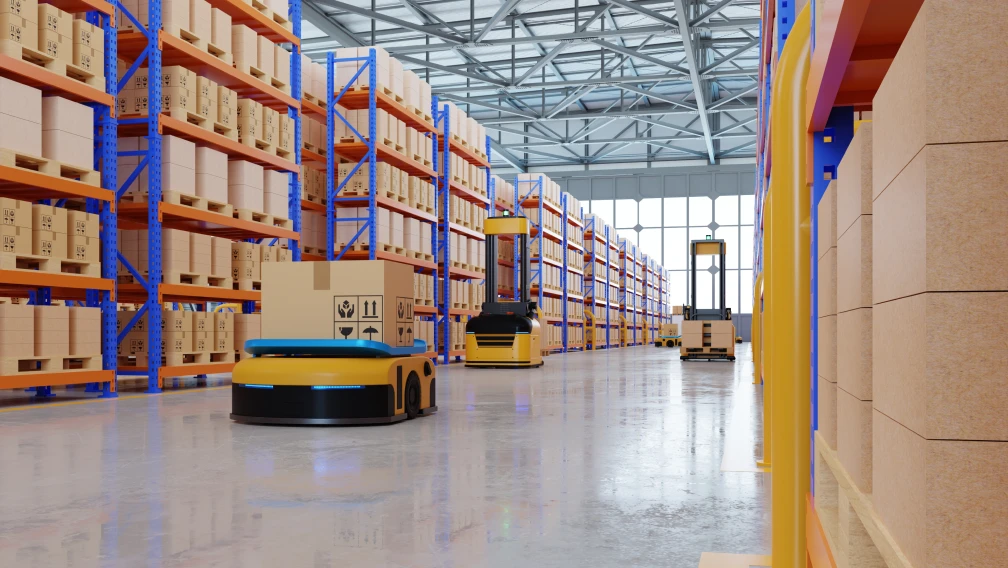
HOWEPROFIT designs warehouse automation specifically for the contract logistics environment. Our multi-tenant WMS handles separate clients, billing rules, and SLAs under one roof, while the robotics and AS/RS hardware lets you onboard new clients without rebuilding the floor. The contract logistics operations that scale with our systems usually look like this: 3 to 30 clients in one DC, omnichannel order mix, 10,000–500,000 SKUs total, and peak volumes 4–6x off-peak.
Why Automation Matters More for 3PLs Than for Brand Operators
A 3PL has structural disadvantages compared to single-brand operators. Three stand out:
• Client churn risk. You make capex decisions on contracts that might be 3 years long. A rigid system tied to one client's SKU profile is dangerous.
• SLA penalties. Pick accuracy and on-time ship rates are usually contractual. Manual operations leak both.
• Margin compression. Contracted rate cards rarely keep up with labor inflation. The only way to grow margin is productivity per labor hour.
Flexibility, accuracy, and labor productivity are the three things automation has to deliver. Storage density is a bonus when you're paying USD 8–15 per m² per month for warehouse space.
What a 3PL-Grade Automation System Looks Like
Most warehouse automation in the market was built for single-brand operators. The architecture changes when you serve multiple clients:
| Requirement | Why It Matters for 3PLs | HOWEPROFIT Capability |
| Multi-client inventory segregation | Each client owns their stock — physical and reporting separation | WMS supports unlimited client entities with isolated inventory, slotting, and billing |
| Rapid client onboarding | New contracts can't wait for 6-month system rebuilds | One-bin-per-slot configuration adds SKUs in days, not weeks |
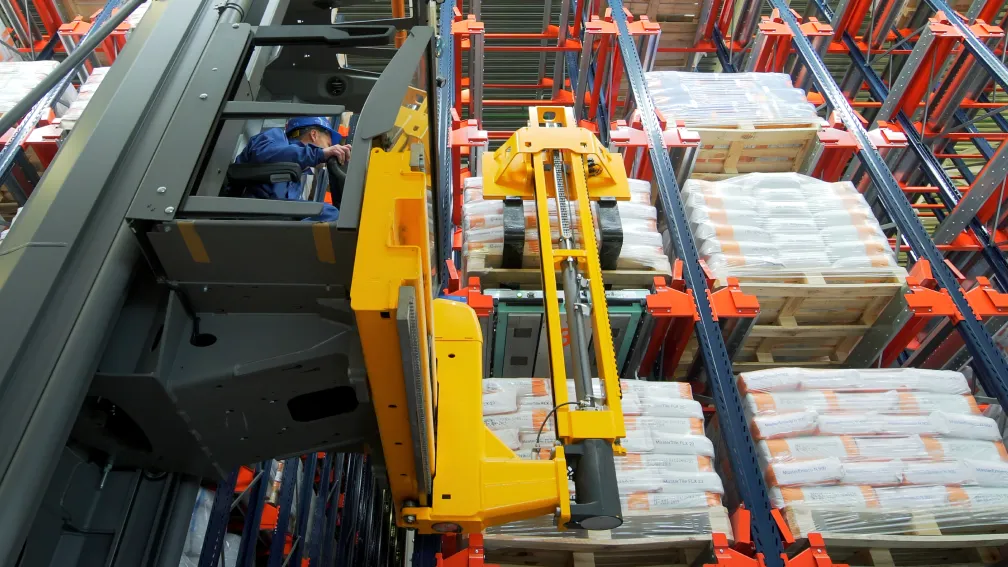
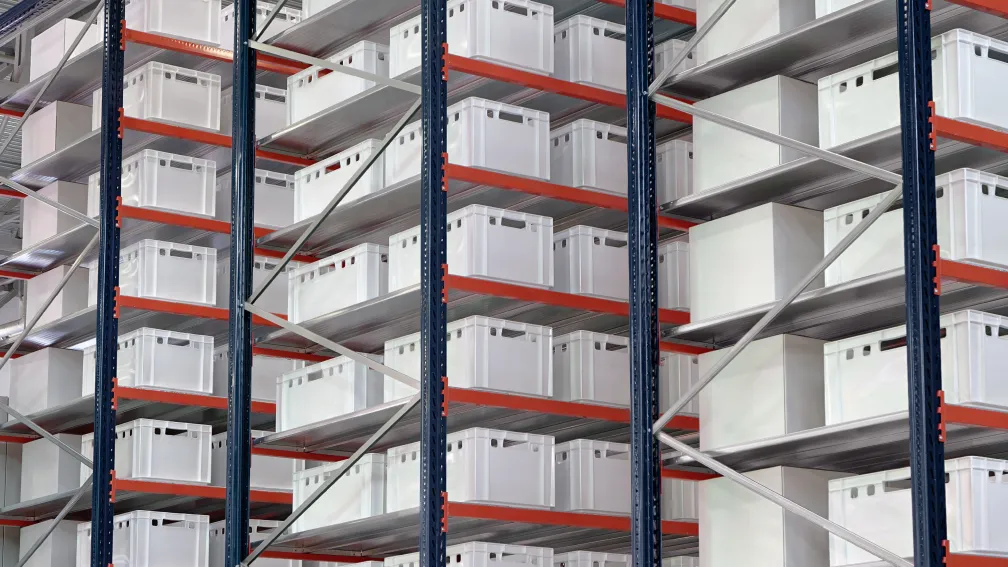
| Mixed SKU profiles in one building | Apparel + electronics + consumables can share infrastructure | Bin robotics handle varied tote contents; AS/RS handles cartons |
| Activity-based billing | Storage, picks, packs, returns all need to bill separately | WMS tracks every transaction per client for cost-to-serve reporting |
| Peak surge capacity | Black Friday hits all your clients at once | Add picking stations and shifts without adding building space |
Multi-Tenant Intelligent WMS
Our WMS handles unlimited client accounts with strict inventory segregation. Each client sees only their stock, gets their own order flows, billing rules, and dashboards. Internally, the WMS pools physical assets — bins, robots, stations — across clients to maximize utilization. The whole point is that you bill clients for transactions while keeping shared infrastructure at high utilization.
Robot Control System (RCS)
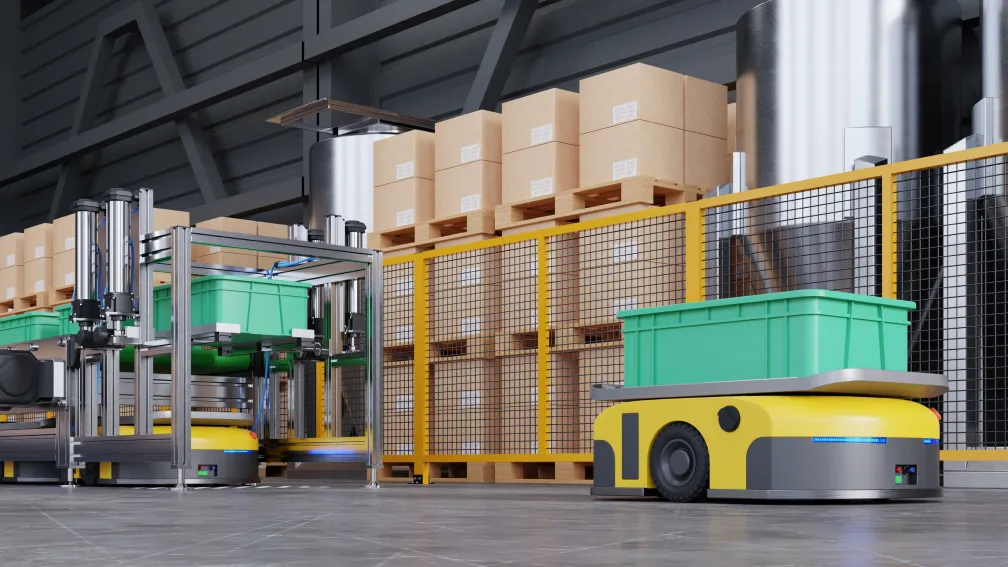
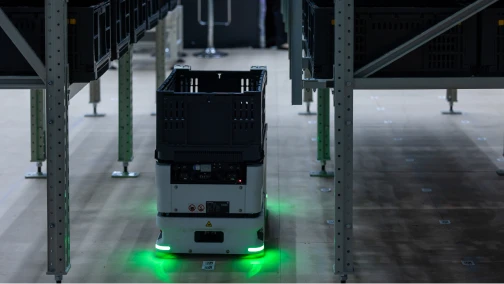
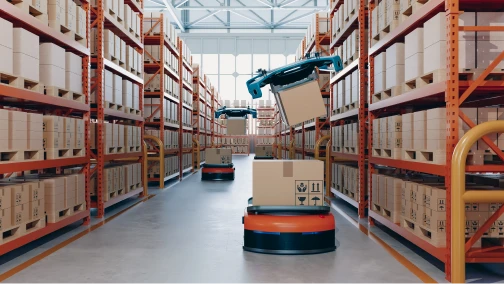
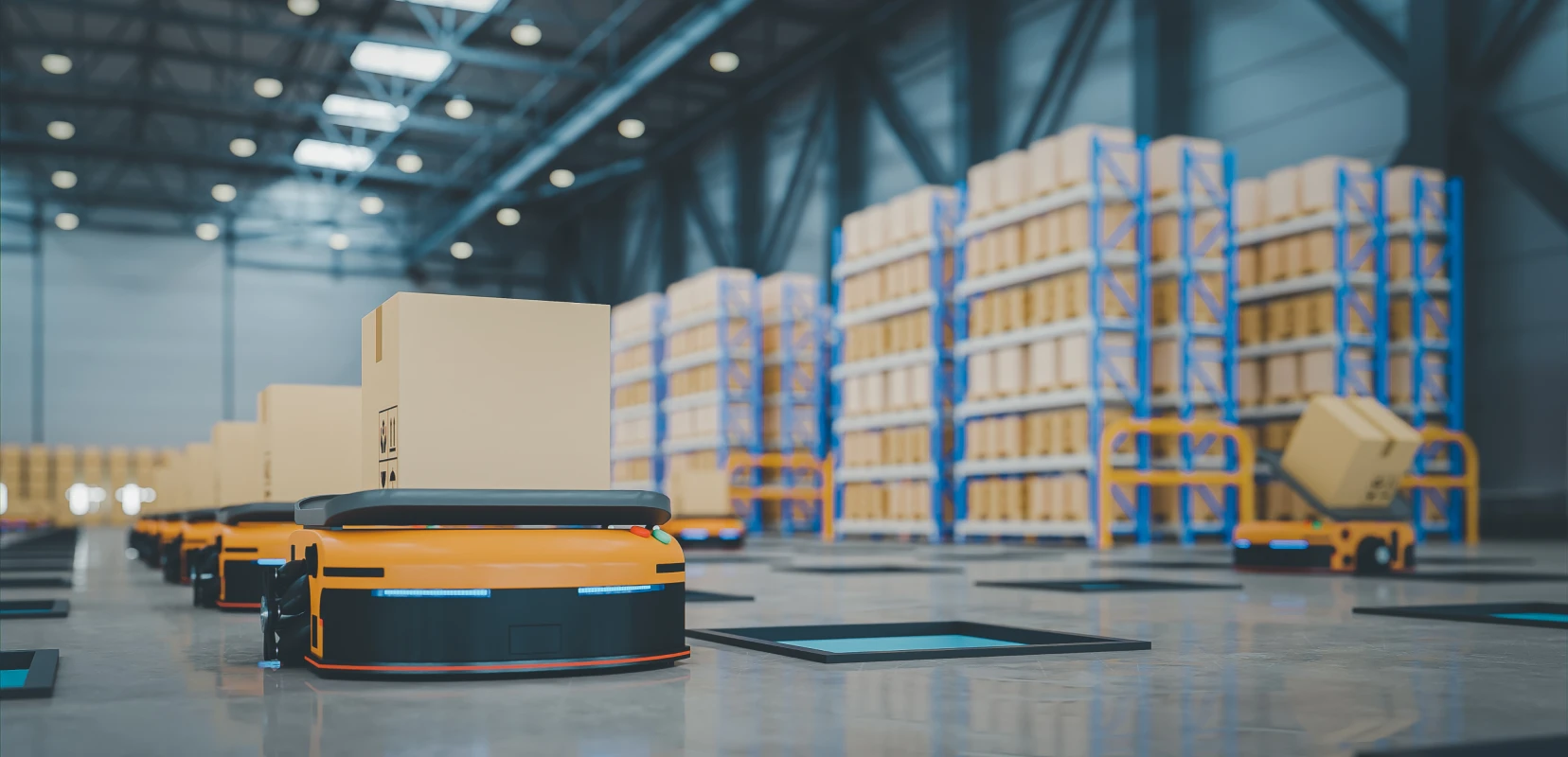
The RCS layer is what lets one fleet of robots serve different clients with different priority rules. A premium SLA client's orders jump the queue while routine replenishment runs in the background. Task allocation, charging, and traffic management run autonomously.
One-Bin-Per-Slot Robot
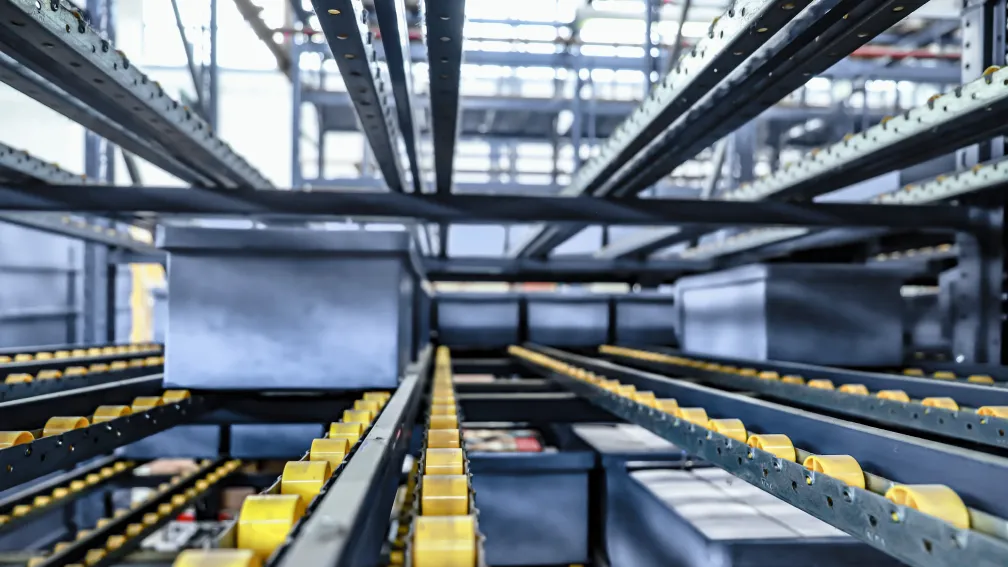
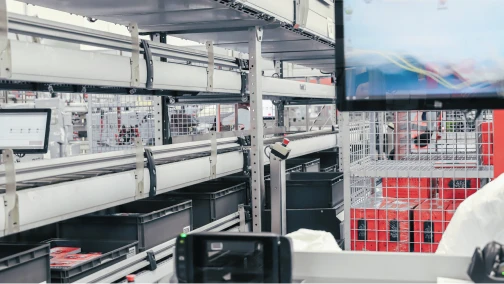
This is the workhorse for 3PLs handling high-SKU clients. Each SKU gets its own bin location, indexed in the WMS. Adding a new client's inventory means assigning slots, putting away bins, and the system is ready. No rack reconfiguration required.
High-Speed Bin Robot and Light Shuttle Vehicle
For high-velocity clients in fast-moving consumer goods, beauty, and electronics, bin robots and shuttles handle the volume side. Goods-to-person picking lets one station serve multiple clients in sequence, switching client context order by order.
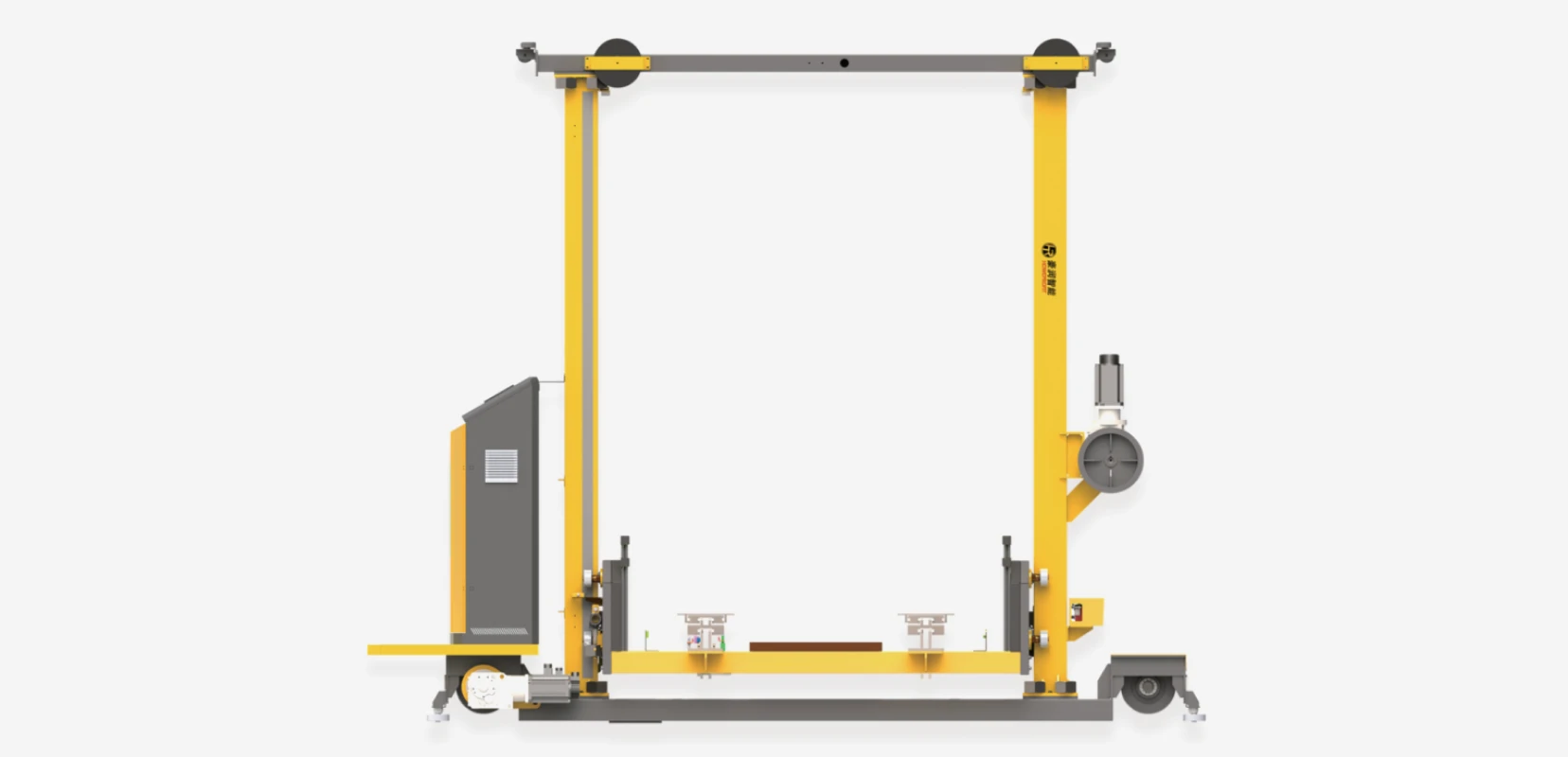
Heavy-Duty Container Warehouse
Some 3PL contracts include B2B replenishment to retail stores or wholesale customers. The heavy-duty container system handles full cartons and pallets, decoupling inbound flow from outbound order assembly.
Operational Gains 3PLs Typically Book
The economic case for 3PL automation is usually built on three levers:
• Labor productivity: 3x to 5x picks per hour per operator at goods-to-person stations versus walking pick
• Space utilization: 60–70% reduction in storage footprint at equivalent SKU count
• Throughput per square meter: 2x to 4x orders shipped per m² per day
• Order accuracy: above 99.9%, which usually translates directly to SLA bonus payments
• Onboarding speed: new client live in 2–4 weeks rather than 6–8 weeks for typical manual ramp-up
These translate into 3PL-specific business outcomes: lower cost-to-serve, ability to bid for clients you used to lose on price, and higher contract renewal rates because you're hitting SLAs.
Implementation Approach for a Working 3PL
Most 3PLs can't shut down to install automation. The standard project structure looks like this:
1. Discovery (4–6 weeks). Client mix analysis, order profile, contract review, growth pipeline.
2. Design (6–8 weeks). Concept layout, equipment topology, software architecture, integration map.
3. Phased build (3–9 months). Module by module — usually starting with one zone running automation while the rest continues manual, then migrating clients in waves.
4. Client migration (2–6 weeks per client). Inventory transfer, system integration, parallel run, cutover.
5. Operations support. Remote monitoring, parts inventory, escalation team for SLA-critical incidents.
This phased approach is critical for 3PLs. It lets you book productivity gains on Phase 1 clients while Phase 2 and 3 are still under construction.
Get a 3PL Automation Feasibility Study
If you're sizing a new DC or considering automation for an existing operation, our team can run a feasibility study against your actual client mix and growth pipeline. We'll come back with topology options, cost ranges, and a phased deployment plan.
→ Request a 3PL feasibility study from HOWEPROFIT.
Frequently Asked Questions
Can one system handle multiple clients with different requirements?
Yes. This is the core design intent for 3PL deployments. Our WMS isolates inventory, orders, and billing per client while pooling physical assets (robots, stations, bins) for utilization. Each client can have unique workflows, packaging specs, and SLAs.
What if I lose a client mid-contract — am I stuck with stranded automation?
This is exactly why we use modular hardware. Bin robotics and shuttles can be reconfigured for new clients without rebuilding rack. SKU slots can be reassigned in the WMS in minutes. The hardware is decoupled from any single client's product mix.
How does activity-based billing work in the system?
The WMS logs every transaction at the SKU level: receiving, putaway, picking, packing, shipping, returns. Each event can carry a unit cost or fee tied to the client's rate card. Monthly billing reports come out of the WMS directly — no manual reconciliation.
What's the typical ROI timeline for a 3PL?
We see payback in 24–42 months for 3PL deployments. The wider range versus single-brand operations comes from contract length uncertainty. The fastest payback we've seen is 18 months at a high-volume 3PL with a stable client base and acute labor shortage.
Do I need to commit to one robotics technology, or can I mix?
We routinely deploy hybrid stacks — bin robots for the A-class, miniload for the B-class, manual zones for slow movers or oddly shaped SKUs. The WMS handles all workflows in one system. Most cost-effective 3PL designs are hybrid.
How do you handle inbound receiving for so many clients?
Receiving is usually handled at dedicated docks per client zone, with putaway directed by the WMS into the right storage system (bin robotics, miniload, pallet rack) based on SKU profile. Cross-docking is supported for fast-moving SKUs that don't need to enter storage.
-

HOWEPROFIT Team
Warehouse Automation Specialists, HOWEPROFIT
The HOWEPROFIT Team consists of senior intralogistics engineers and supply chain experts specializing in advanced AS/RS and robotic fulfillment solutions. Backed by years of field experience across e-commerce, 3PL, and manufacturing sectors, we provide data-driven automation strategies, rigorous throughput simulations, and objective ROI modeling. Our mission is to help facilities seamlessly transition to high-efficiency, reliable, and scalable automated operations.